Loose Leaf Tea Shop vs Supermarket Tea: A Real Comparison
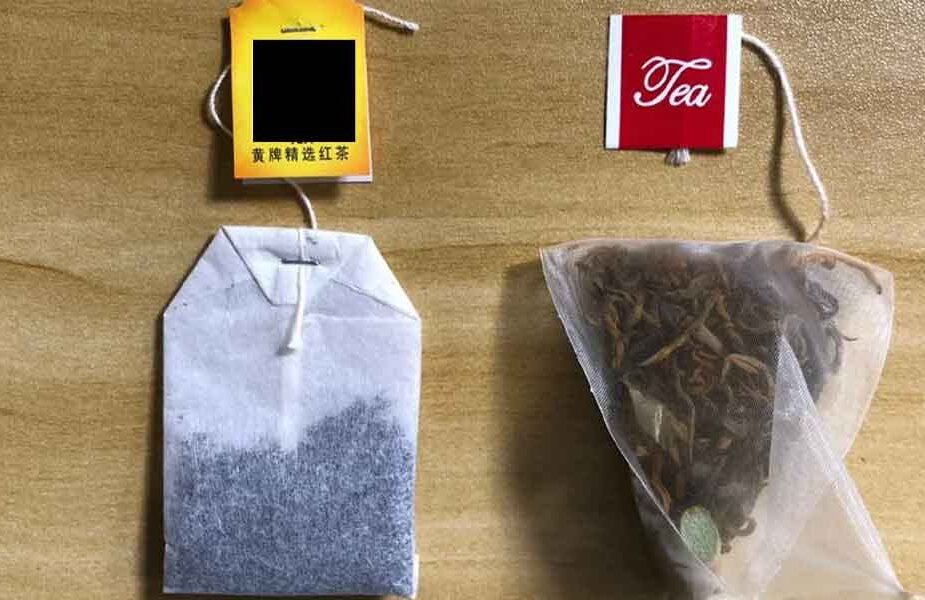
At first glance, tea is tea. However, after tasting a couple of cups, the difference between supermarket tea and loose leaf tea shop offerings stands out. The one queuing down the street cares about convenience and consistency; the other focuses on leaf quality and character more often than not.
This difference between how things are sourced, stored, and processed can help explain the flavor and aroma changes people notice when they start drinking loose leaf after a lifetime with boxed tea. Weighing these factors will help you decide what tea to buy next.
Quality and Freshness
In order to maintain the tea’s natural oils and flavor, whole leaf simplifies the process by using loose leaf tea. Commercial brands use smaller fragments or powder for a duller drink. The essential qualities of tea leaves last in every cup for flavor when they are not broken. On the other hand, bagged tea loses its freshness much faster because it is more exposed to air and light. This is also why a loose leaf tea shop often appeals to tea drinkers who value loose leaves, since they help preserve natural oils and fuller flavor over time.
Taste Difference
The most obvious difference could be flavor. That means loose leaf tea usually has fuller, more complex flavor notes because the leaves have room to stretch when brewing. Supermarket selections are typically prepackaged in small bags and can have a bit of a flavorless or one-note taste. For those with more subtle palates or a more pronounced nose, however, whole leaves will often produce a more pleasing product.
Ingredient Transparency
Loose leaf tea shop customers usually have a good idea of what they are putting in the drink. Origin, harvest date, and even particular tea gardens are often indicated on the label. On supermarket teabags, the descriptions are vague at best and only quote the country of origin. With this kind of transparency, customers are able to select blends that suit their taste as well as align with their personal values.
Variety and Customization
Loose leaf tea shops typically carry a large range of everything from common black and green teas to exotic herbal types. Most of them enable customers to mix a custom combination or pick from a laid-back single beginning assortment. In supermarkets, they can be limited to a few standard varieties. Specialty shops offer greater opportunity for those who enjoy sampling other flavors or who are hunting for an additional experience.
Brewing Flexibility
The more whole tea leaf notes integrated, the better you adjust them to the work. For lovers of loose leaf tea, changing brew time, water temperature, and the size of the portion influences the taste of the drink. In general, supermarket tea bags are designed for ease, but ease can leave little room for the drinker to manipulate the brewing. For the experimentalist, loose leaf tea can be more rewarding.
Cost Consideration
Supermarket tea looks cheaper at a glance. That said, you generally need less product per cup with loose leaf because it is higher quality and more flavorful. In the interim, the differential may end up being narrower than anticipated. Whole leaves can seem like a bigger investment at first, but if you love to savor every cup, the cost per cup can be very low.
Environmental Impact
Loose leaf tea often employs less packaging, reducing the degree to which it harms the environment. Containers you take into stores, or bags that go in the compost. Most stores actively encourage either. Many mass-produced tea bags and boxes that you find in supermarkets contain plastics or non-biodegradable materials that increase landfill issues. This is another reason why sustainable shoppers might prefer to seek out loose leaf tea.
Social and Cultural Experience
Buying from a specialist tea shop can be a social affair. Staff frequently post brewing tips, tasting notes, or anecdotes about various blends. Supermarket shopping is always more transactional, offering almost no personal interaction or education. The ceremonial act of selecting, brewing, and drinking tea is more enjoyable for many if it is enjoyed communally or under the guidance of a master.
Health and Wellness
Because the leaves are less processed, loose leaf tea may also have more antioxidants and nutrients. However, most supermarket teas may lack some of their benefits due to the way they are prepared or stored. When you count tea for well-being, the difference is found not only in quality but also in freshness. Selecting the best product ensures better health benefits.
Conclusion
Both loose-leaf and supermarket tea have merits, depending on your taste, budget, and expectations. Loose leaf tea shines in taste, freshness, and environmental friendliness, while supermarkets dominate in convenience and low purchase price. Recognizing these differences helps tea lovers choose the right type to enjoy every day so that every cup tastes satisfying.
Last modified: March 12, 2026