Architecture Styles That Benefit Most from Metal Pivot Doors
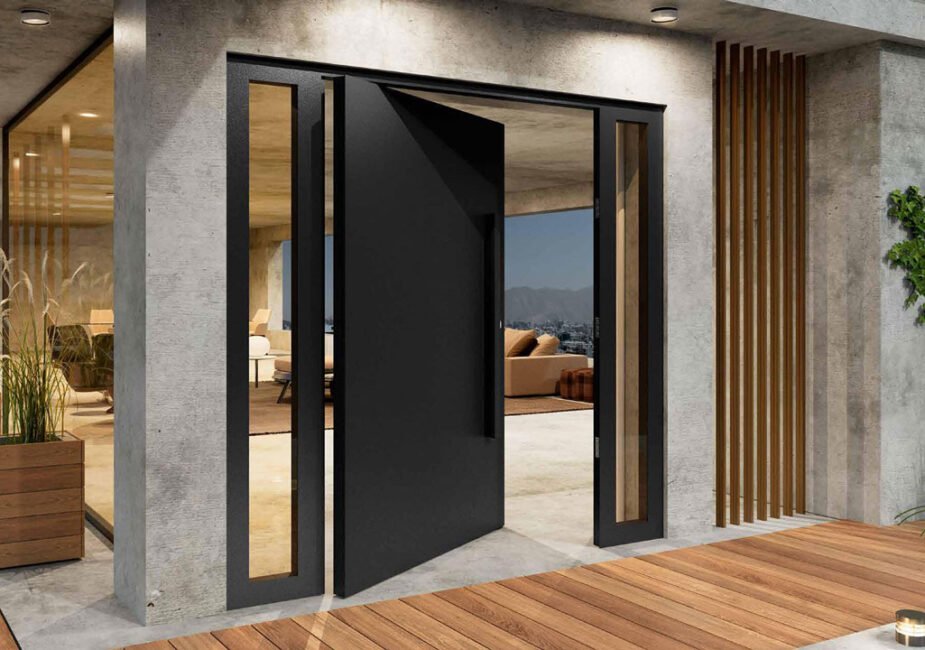
Metallic pivot doors have become a popular feature in modern architectural design. These doors rotate on a pivot hinge that sits at the top and bottom of the door instead of the side. Because of this mechanism, architects can design doors that are larger and heavier than standard hinged doors.
The result is a bold entrance that draws attention without overwhelming the structure. Many property owners choose metal pivot doors to create a strong first impression. At the same time, these doors suit several architectural styles that emphasize clean structure and large openings. As a result, pivot doors often appear in homes that value strong design presence.
Modern Architecture
Modern architecture benefits greatly from the use of these pivot doors. This style favors simple forms, strong geometry, and minimal decoration. A large metal door fits naturally within this type of design. Clean surfaces and straight lines allow the door to blend with the surrounding façade. Architects often design wide entryways in modern homes, and pivot doors support this scale. The metal finish also complements common materials such as concrete, glass, and stone.
Industrial Architecture
Industrial architecture provides another excellent setting for these pivot doors. This style highlights raw materials such as exposed brick, steel beams, and concrete floors. A metal pivot door matches the rugged character of these spaces. Many industrial buildings also feature large structural openings, which allow wider doors. The pivot system supports heavy door panels with ease. As a result, the entrance remains functional while preserving the industrial look.
Contemporary Luxury Homes
High-end contemporary homes frequently use metal pivot doors to create an impressive entrance. Luxury architecture often focuses on scale and distinctive design features. A tall pivot door instantly gives the entry a grand appearance. Architects can customize these doors with textured metal, glass inserts, or decorative patterns. This level of detail enhances the visual appeal of the façade. As a result, the entrance becomes one of the most memorable parts of the home.
Minimalist Architecture
Minimalist architecture also benefits from pivot doors. This style emphasizes simplicity and carefully balanced proportions. Many minimalist homes feature smooth walls and limited ornamentation. A pivot door can sit flush with the exterior wall, which maintains a clean appearance. The hidden hinge system helps keep hardware out of view. Therefore, the entrance looks subtle yet refined.
Contemporary Residential Design
Contemporary residential design often blends elements from several architectural styles. Pivot doors work well in this flexible environment. These homes usually feature open layouts and spacious entryways. A pivot door supports large openings without sacrificing ease of use. In addition, metal finishes provide durability and long-term reliability. The result is an entrance that combines function with strong visual appeal.
Metal pivot doors suit architectural styles that emphasize scale, structure, and visual impact. Modern, industrial, luxury, minimalist, and contemporary homes all benefit from this type of entrance. The pivot hinge allows architects to design larger doors that still operate smoothly. In addition, metal surfaces complement many popular building materials. Because of these advantages, pivot doors continue to appear in many high-quality architectural projects. A carefully chosen pivot door can transform a simple entrance into a striking architectural feature.
Last modified: March 11, 2026

