When to Consider Replacing Your Home Heating System in Corona
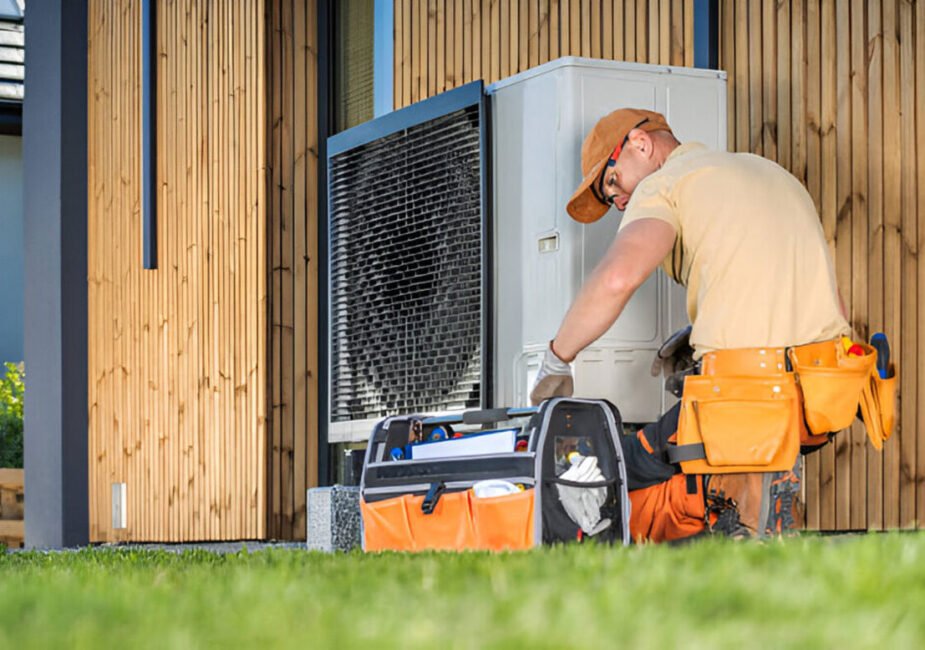
A reliable heating system plays a quiet but vital role in household comfort. Even in Corona, where winters remain mild compared to colder regions, cool evenings still require dependable warmth. Over time, every furnace reaches a point where repairs no longer provide lasting results. Recognizing the right moment for replacement helps with comfort, safety, and steady performance.
Frequent service calls often signal deeper system concerns. Many homeowners begin to research furnace replacement in Corona after repeated breakdowns within a short period. Temporary fixes may restore heat for a while, yet underlying wear continues to affect performance. Repair bills can add up quickly and approach the cost of a new unit.
Inconsistent Heating Throughout the Home
Uneven temperatures from room to room suggest declining furnace efficiency. Some areas may feel warm, while others remain noticeably cooler. This imbalance can stem from aging internal parts or airflow restrictions. Persistent uneven heat may indicate that the system can no longer distribute air effectively.
In Corona homes, insulation levels and duct conditions also influence performance. However, if adjustments fail to correct the issue, the furnace itself may be the cause. An updated unit helps with more consistent heat output. Balanced temperatures support greater indoor comfort during colder nights.
Increased Energy Bills Without a Clear Explanation
Energy costs that rise despite stable usage patterns often point to system inefficiency. As furnaces age, they require more energy to produce the same level of heat. Reduced efficiency may help explain sudden spikes in monthly utility statements. Tracking these patterns can reveal long-term trends.
Signs of Efficiency Decline
Several warning signs suggest that a heating system operates below optimal levels:
- Higher gas or electric bills during similar weather conditions
- Longer run times to reach the set temperature
- Noticeable delays between thermostat adjustmentsand heat output
- Reduced airflow from vents
When these indicators appear together, replacement may help improve efficiency. A modern system typically operates with updated technology and better energy ratings.
Strange Noises and Unusual Odors
Unfamiliar sounds often serve as early alerts. Banging, rattling, or squealing noises may point to loose or worn internal components. Although some sounds result from minor issues, persistent noise should not be ignored. Mechanical strain can increase if these signals remain unaddressed.
Odors also deserve attention. A dusty smell at the start of the season can be normal, yet ongoing burning scents require inspection. In Corona, extended furnace use during cooler periods may reveal hidden problems. Replacement may help reduce these concerns when repairs fail to resolve them.
System Age and Outdated Technology
Most heating systems have a lifespan of fifteen to twenty years. Older furnaces lack modern safety features and energy improvements. Age alone does not demand immediate action, yet it influences long-term planning.
Advancements in heating technology provide improved temperature control and quieter operation. New systems often include enhanced airflow design and better fuel efficiency. For many households in Corona, these updates may help improve comfort and reduce long-term costs. Considering system age alongside performance issues aids in timely decision-making.
Deciding on furnace replacement in Corona becomes more relevant when repair costs rise, efficiency declines, and comfort suffers. Warning signs such as uneven heat, high energy bills, and unusual noises provide valuable insight. A newer heating system may help improve reliability and support steady warmth during cooler evenings in Corona. Careful evaluation of age, performance, and repair history leads to a practical choice that supports lasting home comfort.
Last modified: March 11, 2026