7 Engineering Principles Behind Secure Timber Fastening
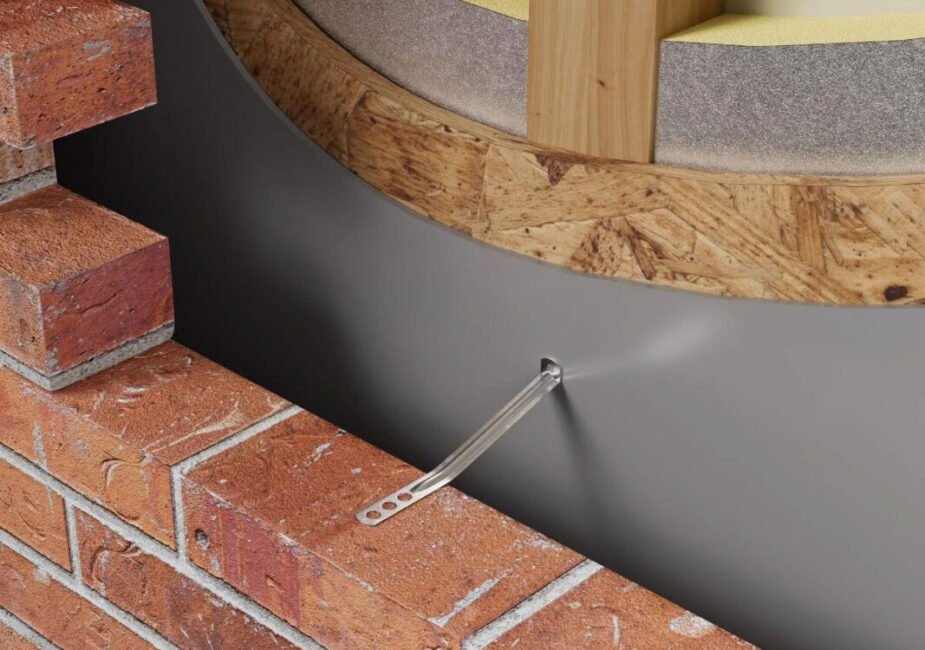
Timber remains one of the most widely used materials in construction thanks to its strength, flexibility, and sustainability. However, even the strongest timber structures rely heavily on the quality of their connections. Fasteners such as bolts, screws, and brackets are responsible for transferring loads, maintaining alignment, and ensuring structural stability over time.
Engineering principles guide how these fixings are selected and installed. When these principles are followed correctly, timber joints become far stronger, more reliable, and capable of handling long-term stresses. Below are some of the key engineering concepts that underpin secure timber fastening.
1.Load Distribution
One of the most important principles in timber fastening is the effective distribution of load. When structural loads are applied to a joint, the force should be spread evenly across the connection rather than concentrated in a small area.
Bolts and other through-fasteners are particularly effective at distributing load because they clamp materials together and allow the force to be shared across the entire contact surface. This reduces the likelihood of localised stress points that could weaken the timber over time.
Proper load distribution ensures that the joint remains stable even when subjected to heavy or fluctuating forces.
2.Mechanical Clamping Force
Mechanical clamping force plays a critical role in strong timber connections. When bolts are tightened with washers and nuts, they compress the timber pieces together, increasing friction between the surfaces.
This friction helps resist movement, making the joint stronger and more resistant to vibration or shifting. High-strength fixings such as Tradefix coach bolts are often used in structural timber connections because they provide a powerful clamping force while maintaining a secure hold.
The greater the clamping pressure applied to the joint, the more stable the connection becomes.
3.Shear Resistance
Shear forces occur when two connected pieces of timber attempt to slide past each other. These forces are common in beams, joists, and structural framing.
Fasteners must be able to resist these forces without bending or failing. Bolts, screws, and specialised connectors are designed to withstand shear stress by transferring the force through the fastener body and into the surrounding materials.
Engineering calculations often determine the number and size of fasteners required to safely resist expected shear loads.
4.Withdrawal Resistance
Withdrawal resistance refers to a fastener’s ability to resist being pulled out of timber. This is especially important for screws and nails that rely on their threads or ridges to grip the wood fibres.
In applications where tensile forces may occur, engineers often prefer bolts or other through-fasteners because they physically clamp the materials together rather than relying solely on friction within the timber.
Understanding withdrawal resistance helps prevent joints from loosening under tension or repeated movement.
5.Material Compatibility
Secure timber fastening also depends on choosing materials that work well together. Timber expands and contracts with changes in moisture and temperature, and fasteners must accommodate this movement without losing strength.
Using corrosion-resistant metals such as galvanised or stainless steel helps prevent rust and deterioration, especially in outdoor structures. When metal fixings corrode, their strength decreases, and the surrounding timber may become stained or weakened.
Selecting compatible materials ensures that both the timber and the fastener perform reliably over the long term.
6.Proper Fastener Placement
The position of fasteners within timber components has a major impact on joint strength. Placing bolts or screws too close to the edge of timber can cause splitting, which weakens the structure.
Engineering guidelines specify minimum edge distances and spacing between fasteners to ensure that loads are distributed safely within the wood fibres. Proper placement also helps prevent stress concentrations that could lead to cracking.
Following these placement principles ensures that the timber retains its full structural capacity.
7.Redundancy and Structural Safety
Another important engineering principle is redundancy. In structural design, redundancy means using multiple fasteners so that the joint remains secure even if one component fails.
For example, beams or structural frames often use several bolts or connectors instead of relying on a single fixing point. This approach improves safety and increases the joint’s ability to withstand unexpected loads or environmental stresses.
Redundant fastening systems help ensure that structures remain stable even under demanding conditions.
Building Stronger Timber Structures Through Engineering
Secure timber fastening is not simply about selecting the strongest bolt or screw available. It requires a deeper understanding of the engineering principles that govern load transfer, material behaviour, and joint stability.
By applying concepts such as load distribution, clamping force, shear resistance, and proper placement, builders and engineers can create timber structures that remain stable for decades. High-quality fasteners and thoughtful installation practices ensure that timber connections perform reliably even under challenging conditions.
When these engineering principles are applied correctly, timber structures can achieve remarkable strength, durability, and safety.
Last modified: March 6, 2026