Remembering Service by Returning to the Battlefield
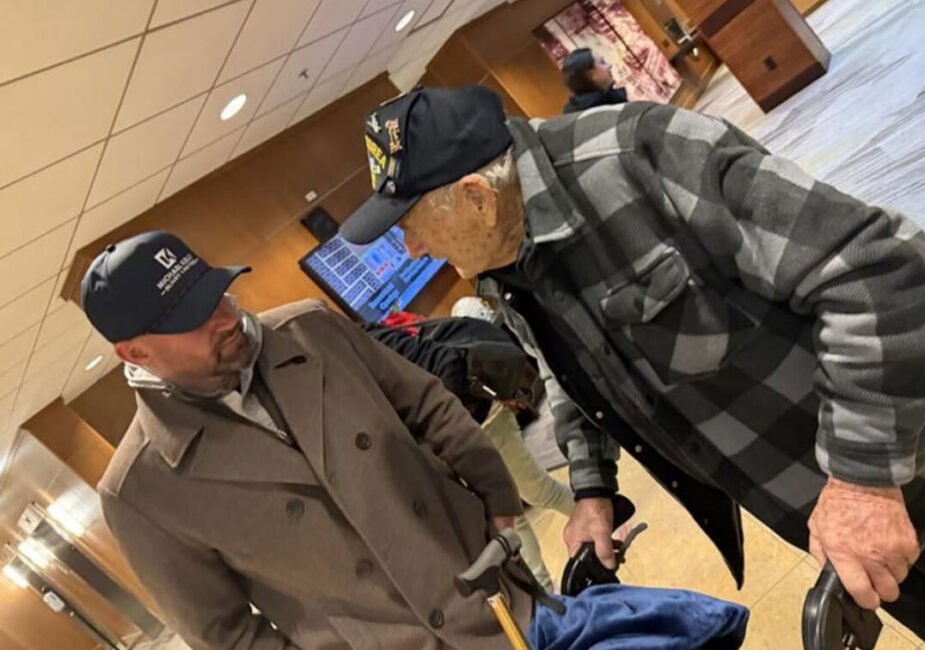
Commemorations of World War II often rely on monuments and textbooks, yet the most meaningful remembrance comes from the people who lived through it. In late 2025 and early 2026, a group of American veterans — now more than a century old — returned to the very towns and forests where they once fought during the Battle of the Bulge in Belgium. The journey was organized by U.S. Marine Corps veteran and author Andy (Andrew) Biggio, whose history-preservation effort The Rifle created the “Back to the Battlefield” program.
In the middle of the effort, supporters from the legal community stepped in. Through a collaboration arranged via longstanding relationships with the nonprofit, Michael Kelly Injury Lawyers helped sponsor the trip, enabling aging veterans to make a final pilgrimage to Europe.
This initiative was more than a charitable donation. It became a practical example of how private organizations can help preserve living history while honoring the generation that shaped the modern world.
The Back to the Battlefield Project
Origins of the Idea
Andrew Biggio, a combat veteran of Iraq and Afghanistan, began his work after realizing that the remaining World War II generation was disappearing quickly. To preserve their stories, he traveled across the United States interviewing former soldiers and asking them to sign a 1945 M1 Garand rifle — the same weapon many had carried in combat.
Those interviews became a much larger mission. Many veterans shared a similar regret: they had never returned to the places where they fought or lost friends. Biggio therefore expanded the project beyond storytelling and organized international trips, allowing veterans to revisit their battlefields.
What the Program Does
“Back to the Battlefield” provides no-cost travel for veterans and a family member to locations connected to their service across Europe, including:
- Belgium
- France
- Germany
- Luxembourg
- The Netherlands
- Italy
The Partnership With a Law Firm
How the Collaboration Happened
The connection began through individuals already involved in Biggio’s organization. When representatives from the Boston-based firm learned about the project, they agreed to sponsor travel costs and participate in the send-off and welcome-home events for the veterans.
Their support covered logistics and helped ensure the elderly participants could travel safely across the Atlantic. In addition, members of the firm personally attended departure and return ceremonies, emphasizing that the initiative was not merely financial.
Why the Sponsorship Mattered
Organizing international travel for centenarians is complicated and expensive. The assistance enabled:
- Flights and accommodations
- Care coordination for elderly travelers
- Family accompaniment
- Commemorative events in Europe
Without sponsors, such a journey would likely have been impossible for many veterans. Biggio publicly acknowledged the firm’s contribution, thanking it for helping make the return to historic battlefields possible.
What the Veterans Experienced in Belgium
Once overseas, the veterans did far more than attend ceremonies. Their itinerary typically included meaningful stops connected directly to their wartime experiences:
Visits to Historic Sites
- Former front-line positions in the Ardennes
- Towns they helped liberate
- Memorials to fallen soldiers
Acts of Remembrance
- Laying flowers at gravesites
- Visiting comrades’ burial locations
- Meeting civilians and descendants who still remember the fighting
Emotional Closure
Many veterans spoke openly about memories they had rarely shared before. Returning to these places often allowed them to process wartime experiences and reconnect with personal history.
For some, the experience also included reconciliation. Earlier trips organized by Biggio even brought former American and German soldiers together decades after the war, demonstrating the long-term impact of remembrance and dialogue.
Preserving Living History
The initiative highlights an important historical reality: eyewitness testimony is disappearing. Every year, fewer World War II veterans remain alive, and historians increasingly rely on recorded interviews and archived stories.
Programs like this contribute in several ways:
1. Recording Firsthand Accounts
Veterans share stories with younger generations, historians, and families.
2. Educational Impact
Trips are documented through books, videos, and interviews, preserving narratives for future study.
3. Cultural Memory
Communities in Europe continue commemorations partly because surviving participants can still attend. As Biggio discovered, many veterans became more willing to discuss their experiences when physically returning to the battlefield that triggered their memories.
The Lasting Legacy
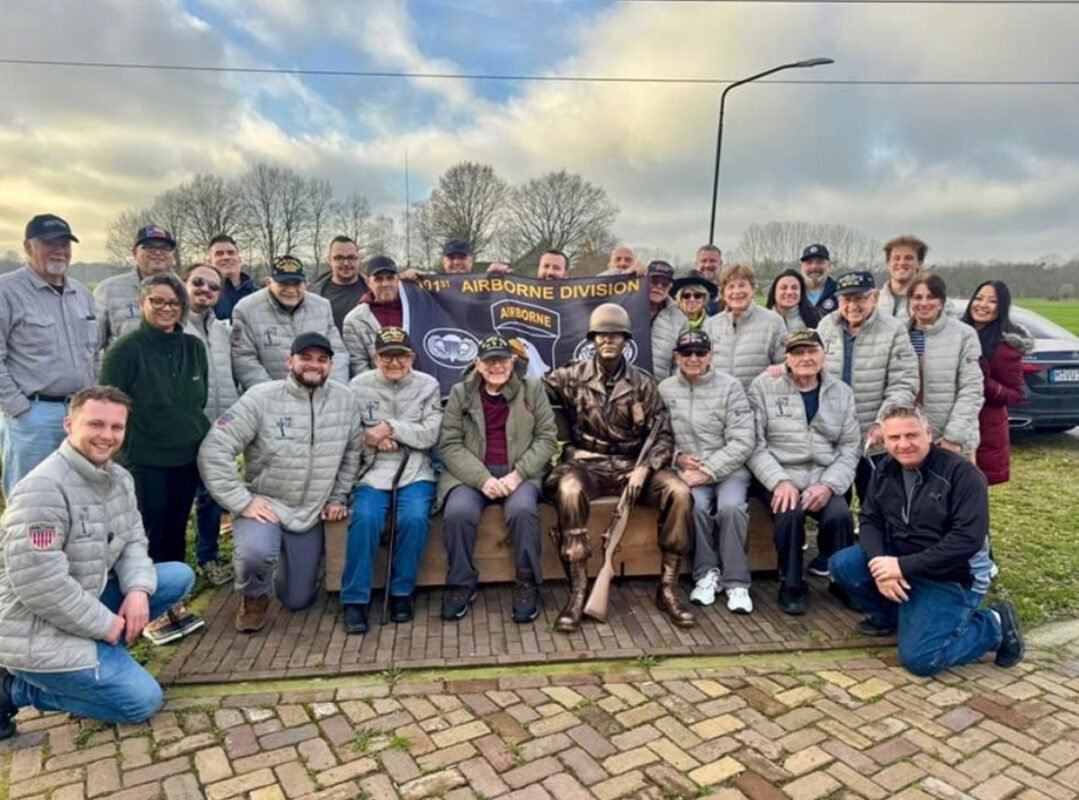
The veterans who traveled to Belgium were not merely tourists. They were returning witnesses. Their presence transformed commemorations from historical reenactments into living memory.
The partnership between a nonprofit historical effort and private supporters allowed those memories to be shared in person — at the cemeteries, fields, and villages where the events actually happened. For the veterans, the journey offered closure. For families, it created lasting records. And for the public, it ensured the Battle of the Bulge remained more than a chapter in a book.
Ultimately, the project shows that remembrance is strongest when it is personal. By enabling the final generation of World War II soldiers to walk their old battlefields one more time, the initiative preserved history not through monuments but through human experience.
Last modified: February 20, 2026