How ABA Therapy at Home Creates a Comfortable Learning Environment
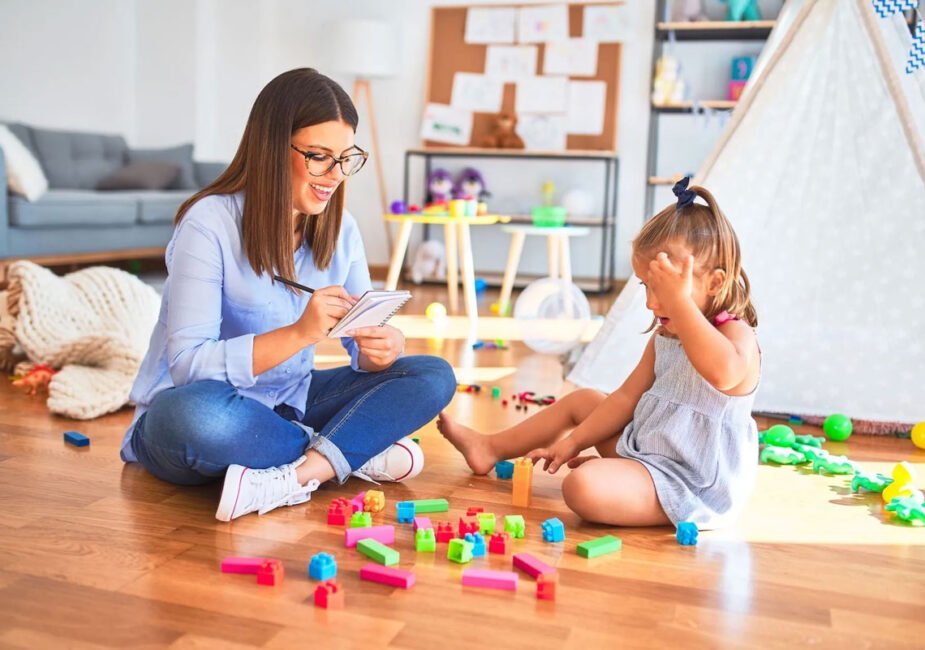
Home-based support can make learning feel more natural and less stressful for children. Familiar surroundings often help children stay calm and ready to engage. Therapy in a home setting connects daily routines with skill practice. Comfort and consistency both play important roles in progress.
Children often respond better when sessions take place in a known environment. In-Home ABA Therapy uses familiar spaces to reduce anxiety during learning tasks. Comfort with surroundings helps children focus on skills instead of adjusting to new places. A relaxed setting supports more natural responses.
Natural Routines Support Skill Use
Daily routines provide built-in chances to practice communication and behavior goals. Mealtime, playtime, and bedtime each offer structured learning moments. These real-life situations help children see the purpose of each skill. Practical use supports stronger retention.
Therapists often adapt tasks to fit family schedules. This approach respects daily rhythms and reduces disruption. Skills practiced during regular routines feel more meaningful. Consistent context aids smoother learning.
Real Life Learning Moments
Everyday activities can become valuable learning opportunities. Simple household tasks allow practice in following directions. Shared activities create chances for social interaction. Natural moments help skills feel useful outside sessions.
Family Involvement Strengthens Progress
Caregivers play an important role in home-based therapy. Guidance from therapists helps families support goals between sessions. Shared strategies create consistent expectations across settings. Consistency helps reduce confusion.
Home sessions also allow caregivers to observe techniques in action. Seeing strategies firsthand supports better understanding. Families can ask questions in real time. Collaboration aids in steady progress.
Key ways families participate include:
- Practicing communication prompts during meals
- Reinforcing positive behaviorwith praise
- Using visual supports during routines
- Encouraging simple choices throughout the day
These actions connect therapy goals to daily life. Shared effort supports skill growth.
Reduced Stress and Better Focus
New environments sometimes cause distraction or discomfort. Home settings remove many unfamiliar sights and sounds. Children may stay more relaxed in their own space. Calm feelings support attention during tasks. Less stress can lead to better participation. Children often show more willingness to try new skills. Familiar surroundings help reduce resistance. Comfortable spaces support smoother sessions.
Therapists can adjust session setup to match the child’s needs. A quiet corner or favorite seat may help focus. Small environmental changes support better engagement. Personalized spaces aid in effective learning.
Skills That Transfer to Daily Life
Learning at home connects skills directly to real situations. Children practice where they eat, play, and rest. This context helps skills carry over more naturally. Real-world use supports independence. Daily tasks often become part of learning goals. Dressing, cleaning up, and sharing toys offer practice chances. Home practice helps reinforce progress.
Consistency between sessions and daily life strengthens memory. Repeated use of skills builds confidence and encourages steady improvement. Practical experience supports long-term success. Natural learning spaces help maintain gains in familiar situations.
Comfortable surroundings play a strong role in effective learning. In-Home ABA Therapy connects skill practice with familiar routines and spaces. Family involvement, reduced stress, and real-life application all support progress. A supportive home environment may help improve focus, independence, and long-term development.
Last modified: February 17, 2026