Driving Growth: How Digitalization Transforms Business Processes and Simplifies Operations
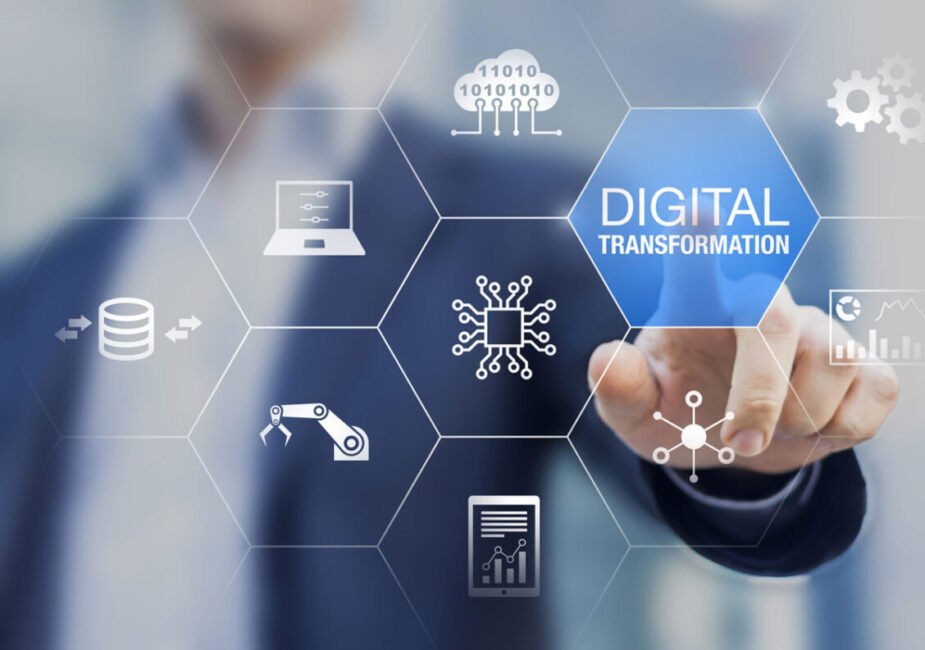
As businesses face increasing pressure to remain competitive, adopting digital technologies has become a critical step toward ensuring long-term success. Digitalization has the power to revolutionize operations, making processes more efficient, cost-effective, and adaptable to change. From automating everyday tasks to improving decision-making, it offers numerous advantages that can help businesses not only survive but thrive in a constantly evolving market.
Streamlining Business Processes
One of the primary advantages of digitalization is its ability to streamline business processes. In traditional business models, many tasks are still handled manually or with outdated software, resulting in inefficiencies, delays, and errors. Digital tools, on the other hand, automate repetitive tasks, reduce human error, and accelerate workflows.
For example, digital project management tools like Asana or Trello help teams collaborate more effectively, assign tasks with clear deadlines, and monitor progress in real-time. These tools can also integrate with other software like time-tracking systems, communication platforms, and customer relationship management (CRM) systems, further enhancing productivity.
In addition to automation, cloud computing plays a significant role in streamlining operations. By moving data and processes to the cloud, businesses can access their systems from anywhere, anytime, making it easier to manage operations and collaborate with remote teams. Cloud-based applications also improve data security and reduce the need for physical infrastructure, allowing companies to focus on growth rather than IT maintenance.
Enhancing Efficiency and Reducing Costs
Digitalization is a powerful tool for increasing operational efficiency. By automating processes, companies can free up time and resources that would otherwise be spent on manual tasks. This leads to significant cost savings and allows employees to focus on higher-value work, such as strategic planning or customer service.
For instance, businesses can replace traditional paper-based processes with digital workflows, reducing the time spent on filing, organizing, and searching for physical documents. This not only saves time but also cuts down on printing and storage costs. Digital invoicing and payment systems also reduce administrative burdens, improving cash flow management and reducing the likelihood of errors in billing.
Moreover, digital tools allow businesses to track and analyze performance metrics in real-time. This data-driven approach provides valuable insights that help organizations make informed decisions, optimize resource allocation, and improve overall business strategies. When decisions are based on accurate data, businesses can avoid costly mistakes and make adjustments that drive growth.
Improving Customer Experience
In the digital age, customer expectations have evolved. Consumers now expect seamless, personalized experiences across all touchpoints, whether they’re interacting with a website, mobile app, or customer service team. Digitalization allows businesses to meet these expectations by providing the tools to offer a more personalized, efficient, and engaging customer experience.
CRM systems like Salesforce enable businesses to manage customer data in a centralized location, allowing teams to track interactions, preferences, and purchase history. With this information, companies can deliver personalized marketing campaigns, recommend products based on past purchases, and offer proactive customer support.
Furthermore, digitalization enables businesses to enhance customer service through channels like live chat, social media, and automated help desks. Chatbots, powered by artificial intelligence, can handle common customer inquiries instantly, freeing up human agents to address more complex issues. This results in quicker response times, higher customer satisfaction, and ultimately, improved customer loyalty.
Driving Innovation and New Business Models
Digitalization is not just about optimizing existing processes; it also opens the door to innovation and new business models. By leveraging emerging technologies like artificial intelligence (AI), machine learning, and the Internet of Things (IoT), businesses can create new products, services, and ways of doing business that were previously unimaginable.
For example, companies in the manufacturing industry are using IoT devices to monitor equipment performance in real-time, predict maintenance needs, and minimize downtime. This shift towards predictive maintenance helps businesses save money on repairs and increase the lifespan of their equipment.
In the retail sector, digitalization has paved the way for e-commerce platforms, enabling businesses to reach global markets and cater to changing consumer preferences. Subscription-based models and on-demand services have also gained popularity, allowing companies to offer flexible, customer-centric solutions.
Digital transformation encourages a culture of continuous improvement. Businesses are constantly adapting to new technologies, gathering customer feedback, and refining their processes to stay ahead of the competition.
The Role of Digital Transformation
Digital transformation is the overarching concept that ties all of these benefits together. It refers to the integration of digital technologies into all aspects of business, from internal operations to customer interactions. This transformation goes beyond simple technology adoption—it requires a shift in mindset, business processes, and organizational culture.
According to Forbes, businesses that embrace digital transformation are more likely to experience long-term success. The key to successful transformation is not just implementing the latest technologies but aligning those technologies with the company’s overall strategy and goals. Organizations that take a holistic approach to transformation are better equipped to navigate the complexities of the modern business environment.
Adapting to a Changing Market Landscape
The market landscape is constantly changing, with new competitors, technologies, and customer demands emerging regularly. Digitalization enables businesses to remain agile and responsive to these changes. With the right digital tools, companies can quickly adapt to market shifts, stay competitive, and capitalize on new opportunities.
For instance, businesses can use analytics platforms to track market trends and customer behavior. This information allows them to make data-driven decisions about product development, marketing strategies, and pricing models. In a fast-paced market, being able to pivot quickly is essential, and digitalization provides the flexibility needed to do so.
Moreover, digitalization enables businesses to scale quickly without the need for significant investments in physical infrastructure. Cloud-based platforms, for example, can handle increased traffic and data without requiring businesses to build additional server capacity. This scalability allows companies to expand their operations with ease, reaching more customers and markets as demand grows.
Conclusion
Digitalization is no longer a luxury for businesses—it’s an essential tool for growth, efficiency, and innovation. By streamlining processes, reducing costs, improving customer experiences, and fostering new business models, digitalization has the potential to transform organizations and give them a competitive edge in an increasingly digital world.
Last modified: February 17, 2026