Common Reasons Homes Develop Basement Water Leaks
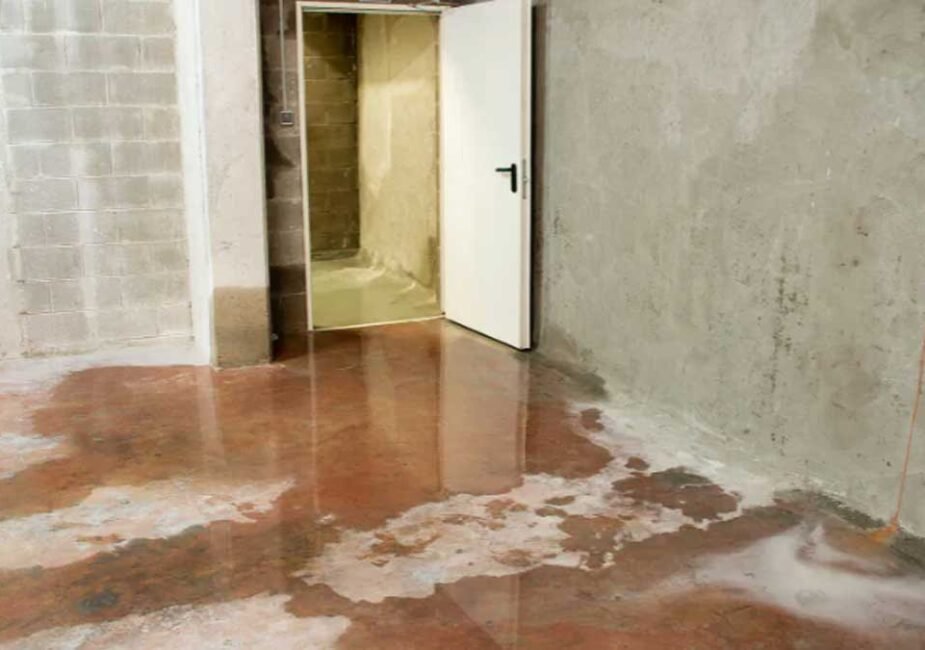
Basements are an essential part of many homes, providing space for storage, utilities, or even additional living areas. Despite their usefulness, basements are also the most common location for water problems. Even well built homes can eventually experience moisture issues below ground level, says Keyrenter DFW Midcities professionals. When water finds its way inside, it rarely happens by accident. There is almost always an underlying cause related to construction, environment, or long term wear.
Understanding why water enters a basement is the key to preventing serious damage. Small warning signs such as damp walls, peeling paint, or a musty odor often appear long before major flooding occurs. Homeowners who recognize these early indicators can take action before moisture turns into mold growth, structural deterioration, or costly repairs.
Why Basements Are Naturally Vulnerable to Water
Basements sit below ground level, which automatically places them at higher risk for water intrusion. Soil surrounding a home absorbs rain and snowmelt. When that soil becomes saturated, water presses against foundation walls and basement floors. This pressure pushes moisture toward any available opening.
Concrete may appear solid, but it is slightly porous. Over time, water can slowly migrate through it, especially if protective barriers have weakened. As homes age and soil conditions change, even a basement that has remained dry for years can suddenly begin showing signs of leakage.
Poor Drainage Around the Home
One of the most frequent contributors to basement moisture is poor exterior drainage. When rainwater is not directed away from the home, it collects around the foundation. This buildup increases pressure and encourages seepage through walls and joints.
Clogged gutters are a common issue. Leaves, debris, and ice can cause gutters to overflow, depositing water directly beside the foundation. Downspouts that end too close to the house further worsen the problem. In addition, improper grading can allow water to flow toward the home instead of away from it. Over time, these conditions create the perfect environment for leaks to develop.
Foundation Cracks From Settlement and Stress
All homes experience some degree of settling. As the ground beneath a house shifts, stress is placed on the foundation. This stress often results in cracks forming in basement walls or floors. Temperature fluctuations also contribute, as materials expand and contract throughout the year.
Even narrow cracks can allow water to pass through, particularly during heavy rain. Vertical cracks are often associated with normal settling, while horizontal cracks may indicate more serious pressure from surrounding soil. Regardless of the type, any crack should be addressed early, as water will always exploit weak points.
Aging Waterproofing and Construction Materials
Many basements rely on waterproofing systems installed during construction. While effective at first, these materials do not last forever. Over decades, exposure to moisture, soil chemicals, and natural wear can cause membranes and coatings to fail.
Older homes are especially susceptible, as construction standards and materials have improved significantly over time. Once waterproofing degrades, foundation walls are left exposed to constant moisture. This gradual breakdown often goes unnoticed until visible leaks appear inside the basement.
Window Wells and Basement Openings
Basement windows are another common source of water entry. Window wells are designed to allow light while keeping soil away from windows. If these wells do not drain properly, water can collect and press against window frames.
Blocked drains, missing covers, or deteriorated seals around basement windows all increase the risk of leakage. During heavy rainfall, even a small gap can allow significant water to enter. Regular inspection and cleaning of window wells can help prevent this often overlooked issue.
Interior Plumbing Leaks That Mimic Basement Seepage
Not all basement moisture comes from outside. Leaking pipes, faulty water heaters, or damaged appliances can release water slowly over time. Because these leaks may be hidden behind walls or under flooring, they can easily be mistaken for groundwater intrusion.
Condensation on cold pipes can also create dampness that spreads across basement surfaces. Identifying whether water is coming from plumbing or the foundation is an important step in choosing the right repair approach.
Sump Pump and Drainage System Failures
In many homes, sump pumps play a crucial role in keeping basements dry. These systems collect groundwater and redirect it away from the home. When a sump pump fails due to mechanical issues, power outages, or lack of maintenance, water can quickly accumulate.
Interior drainage systems can also become clogged with sediment over time, reducing their effectiveness. Regular testing and maintenance of sump pumps and drains is essential, especially before seasons with heavy rainfall or snowmelt.
Soil Type and Landscaping Choices
The soil surrounding a home significantly affects how water behaves. Clay soils retain water and expand when wet, increasing pressure against foundation walls. Sandy soils drain more easily but can still contribute to problems if grading is incorrect.
Landscaping decisions also matter. Flower beds, walkways, and patios built too close to the foundation can trap water. Excessive watering near the house adds moisture to already saturated soil. Thoughtful landscaping that encourages proper drainage is an often underestimated part of basement protection.
Seasonal Weather Patterns and Climate
Climate plays a major role in basement water issues. Homes in regions with heavy rainfall, rapid snowmelt, or frequent freeze and thaw cycles face increased risk. Sudden weather changes can overwhelm drainage systems that normally function well.
Seasonal inspections are important. Checking foundations after winter and preparing drainage systems before rainy seasons can help homeowners stay ahead of potential problems.
When Professional Assessment Becomes Important
Some moisture issues can be addressed with basic maintenance, but recurring leaks usually require professional evaluation. Temporary fixes such as patching visible cracks without addressing drainage or pressure often fail over time.
Water intrusion issues often start small and gradually worsen, which is why many homeowners begin researching basement water leaks only after repeated dampness or visible staining becomes impossible to ignore. At that stage, understanding how water behaves around foundations and how leaks are properly diagnosed becomes more important than quick surface fixes. Experienced professionals such as Aluneed focus on identifying the actual entry points and conditions causing the issue, rather than treating symptoms alone, helping homeowners choose repair solutions that address the problem at its source.
Preventive Measures That Make a Difference
Prevention is always more cost effective than repair. Simple steps such as keeping gutters clear, extending downspouts, and monitoring basement humidity can greatly reduce the risk of leaks. Inspecting basement walls periodically for new cracks or discoloration helps catch issues early.
Installing window well covers, maintaining sump pumps, and avoiding excessive watering near the foundation are additional measures that protect against water intrusion. These small actions, when done consistently, contribute to a much drier and healthier basement.
Long Term Consequences of Ignoring Basement Moisture
Ignoring basement water issues can lead to serious consequences. Persistent moisture encourages mold growth, which affects indoor air quality and can cause health concerns. Structural materials such as wood framing and support beams may weaken over time, compromising the stability of the home.
Water damage can also reduce property value and complicate future sales. Buyers are often cautious of homes with a history of basement leaks, even if repairs have been made. Addressing issues early protects both the structure and the long term investment.
Conclusion
Basement water leaks are rarely caused by a single factor. They usually result from a combination of drainage problems, foundation wear, environmental conditions, and aging materials. By understanding the most common reasons basements develop moisture issues, homeowners are better equipped to recognize early warning signs and take action.
A dry basement supports a healthier living environment and preserves the integrity of the home. Through regular maintenance, informed decision making, and timely professional support when needed, homeowners can prevent minor moisture concerns from becoming major structural problems. Investing attention in basement protection today helps ensure comfort, safety, and peace of mind for years to come.
Last modified: April 14, 2026