The Hidden Tactics Behind a Tunnel Engineer’s Role in Ground Control
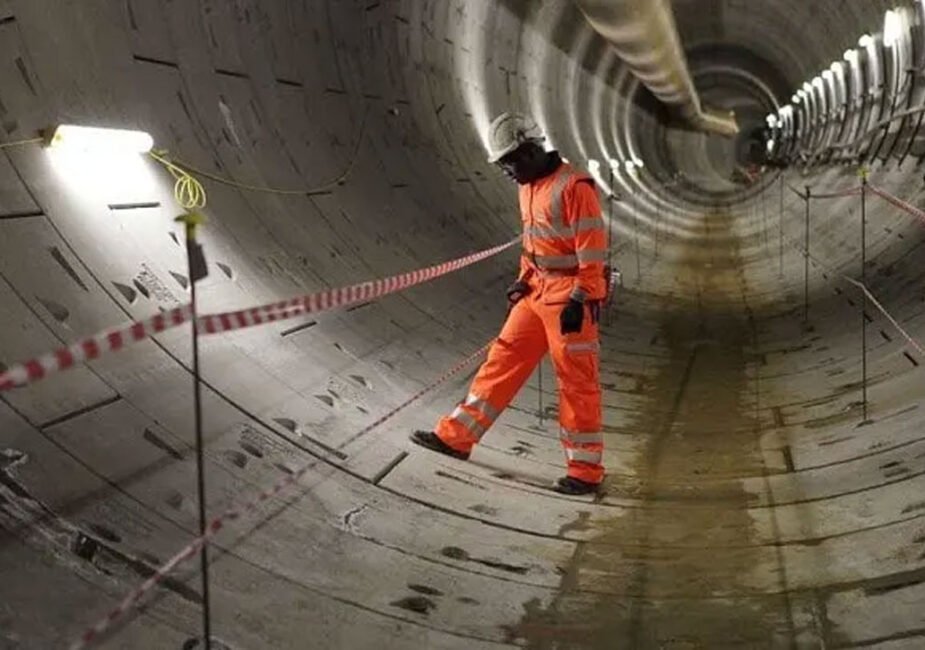
Maintenance of utility and water tunnels keeps cities alive by ensuring smooth flow beneath busy streets. Structural design allows these systems to stand firm under pressure while maintaining long-term stability underground. Professional efforts turn complex underground challenges into safe, functional, and reliable solutions for essential infrastructure projects. Every successful underground project reflects the thoughtful efforts and precise solutions offered by experienced engineering professionals.
Tunnel design holds the key to balancing function, safety, and environmental responsibility within confined subterranean spaces. This approach connects creativity with science, which eventually produces designs that endure harsh conditions without structural compromise or performance loss. Communities, contractors, and planners all seek dependable expertise to create safe and efficient tunnels for public benefit. This article uncovers how hidden engineering tactics ensure stability, reliability, and innovation beneath every successful underground passage.
They Read The Underground Story First
An efficient engineer first studies the ground to understand rock types, soil layers, and underground water movement. This deep study forms the base for a safe and efficient layout that adapts to every condition. Each decision flows from this understanding, which ensures the ground remains stable throughout the tunnel’s life cycle.
Precise knowledge of geological conditions helps predict how the ground reacts during excavation and after the project ends. Experts use advanced surveys and models to reveal what lies beneath the surface before physical work starts. This preparation reduces surprises, safeguards workers, and keeps surrounding structures secure from hidden underground forces.
They Match The Tunnel’s Purpose To Its Design Strategy
Experts define the purpose of every project at the beginning: transport, utilities, or drainage to shape all design choices accurately. The boreway’s shape, size, and material choice depend on how the structure must perform under load. A clear purpose allows a balance between cost, operational performance, and durability.
When a tunnel supports more than one function, professionals craft adaptable systems that handle future needs. This mindset keeps tunnels efficient and limits disruptive changes during operation or maintenance in later years. A strong purpose-based approach creates infrastructure that delivers safety, stability, and value for communities.
They Select Construction Methods As Part Of The Design Puzzle
The right excavation method forms a strategic choice that defines how safely the boreway moves forward. Techniques, such as boring machines, cut-and-cover, or microtunnel systems, depend on soil behavior and project conditions. Each method carries unique strengths that affect cost, timing, and the overall stability of the ground.
Engineers align construction techniques with the tunnel layout to reduce risks of vibration, settlement, or water entry. Coordination between design and execution maintains ground pressure and alignment within safe tolerance limits. This teamwork between design and method ensures progress and protects nearby structures.
They Make Safety A Structural Partner, Not Just A Checklist
Safety stands as the foundation of every tunnel decision, which shapes how the structure resists pressure, heat, and moisture. Engineers incorporate protective features like ventilation, exit points, and reinforced linings within the earliest design phase. This proactive mindset ensures worker protection during construction and public safety throughout the tunnel’s entire lifespan.
Structural safety goes beyond strength as it promotes consistent operation and environmental balance inside confined underground spaces. Airflow control, emergency response areas, and reliable pathways reduce hazards during repair or inspection periods. The integration of safety into every part of the design turns possible dangers into controlled and predictable elements.
They Combine Innovation With Practicality
Tunnel design thrives where imagination meets discipline, which merges proven techniques with modern technologies for the best outcomes. Engineers apply digital models to simulate stress, temperature, and flow within proposed boreway sections with accuracy. These simulations guide critical decisions before real work begins, which ultimately saves time and avoids costly missteps.
Experience remains vital to ensure creative methods align with the existing limitations and geological realities. The right materials and modular units improve tunnel durability without driving costs or complexity too high. The finest engineers combine creativity and control to achieve designs that elevate safety and performance together.
They Think Long-Term; Operations and Environment Matter
An underground passage’s life extends well beyond completion, which requires foresight about maintenance, operation, and environmental influence. Engineers anticipate how moisture, temperature, and movement within the ground may change after years of service. Thoughtful design ensures every passageway remains dependable, efficient, and resilient through many future generations of use.
Environmental respect also shapes success as it reduces harm to ecosystems both during and after completion. Proper drainage, durable linings, and controlled excavation minimize disruption to natural water systems and soil habitats. Engineers respect the surrounding environment to build trust and sustain progress beneath every developed city.
Experts shape safe pathways beneath cities through thoughtful tunnel design that protects lives and infrastructure alike. Their work blends science and experience to create underground spaces that serve communities for decades ahead. Each project reflects dedication, vision, and a deep respect for both ground stability and public safety. Discover how professional insight can turn complex underground challenges into dependable progress for future development.
Last modified: February 20, 2026