Beyond Camping: Creative Ways to Use Winter Sleeping Bags at Home
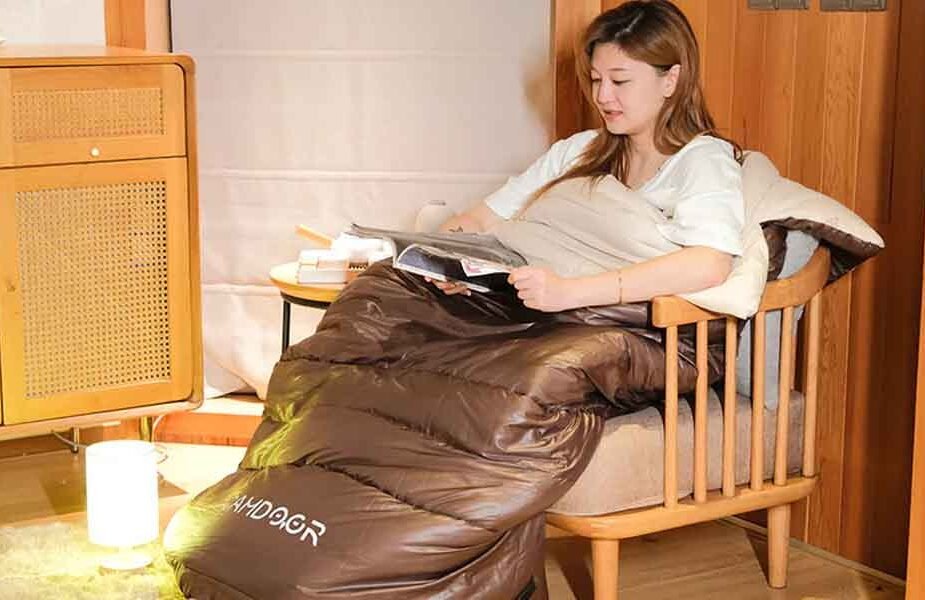
When most people hear the words “winter sleeping bag,” they immediately picture snow-covered campsites, tents under starry skies, and outdoor adventures. Yet in many homes, especially during colder months or in older buildings with uneven heating, staying warm can become a daily challenge. Heating systems often struggle to maintain consistent temperatures from room to room, and running them at full power can lead to high energy bills. This is where winter sleeping bags quietly step into a new role, not as アウトドア用品, but as practical, cozy tools for everyday living.
At home, a winter sleeping bag can offer a flexible and personal layer of warmth that follows you from room to room. It can transform a chilly evening on the couch into a comfortable retreat or turn a guest room without proper bedding into a welcoming space. Rather than being stored away until the next camping trip, these insulated cocoons can become part of a household’s winter routine, helping families stay warm, comfortable, and prepared for the unexpected.
Why Homes Get Cold Even with Heating
Many modern homes still struggle with cold spots, especially near windows, doors, and poorly insulated walls. Apartments in older buildings often experience drafts, while houses with multiple floors can have uneven heat distribution, leaving upstairs rooms warmer and ground-level spaces noticeably cooler. During particularly cold nights, the temperature difference can make certain rooms uncomfortable to use.
A winter sleeping bag provides a simple solution to this problem. Instead of trying to heat an entire room or home, it allows you to focus warmth exactly where it is needed—around your body. This localized warmth can be especially helpful in spaces like home offices, reading corners, or children’s rooms, where people remain stationary for long periods. By adding this extra layer of insulation, families can stay comfortable without constantly adjusting the thermostat.
Turning Living Spaces into Cozy Corners
One of the most appealing home uses for a winter sleeping bag is creating a personal “warm zone” within shared spaces. On a cold evening, wrapping up in a sleeping bag on the sofa can feel like building a soft, insulated nest. The thick lining traps body heat and shields you from drafts that sneak in through windows or under doors.
For families, this can become part of a comforting routine. Children often enjoy the sense of being “tucked in” while watching a movie or reading a book, and parents appreciate the added warmth without needing to pile on multiple blankets. The sleeping bag’s design keeps it in place better than loose throws, which tend to slip off or leave cold gaps. Over time, it can become a familiar symbol of winter comfort, associated with relaxation and togetherness.
A Practical Solution for Guest Rooms and Sleepovers
Not every home has a fully equipped guest room with extra bedding ready at all times. When friends or relatives stay over unexpectedly, it can be challenging to provide a warm, comfortable sleeping arrangement. 冬用寝袋 offer an easy and reliable alternative. They can be laid out on a bed, sofa, or even a clean floor surface, instantly creating a warm sleeping space.
For children’s sleepovers, sleeping bags add a sense of fun and adventure. What feels like a simple solution for parents can turn into an exciting “indoor camping” experience for kids. At the same time, the insulation ensures that everyone stays warm throughout the night, even if the heating is turned down to save energy.
Energy Efficiency and Cost Awareness
As energy prices fluctuate, many households look for ways to reduce heating costs without sacrificing comfort. Using a winter sleeping bag at home can be part of a more mindful approach to energy use. Instead of raising the thermostat for the entire house, individuals can rely on personal insulation to stay warm in specific areas.
This method encourages a more targeted use of heat. For example, a person working late in a home office can stay warm inside a sleeping bag without needing to heat empty rooms. Over time, this small adjustment can contribute to noticeable savings on energy bills, while also reducing overall energy consumption.
Emergency Preparedness and Peace of Mind
Beyond everyday comfort, winter sleeping bags play an important role in home preparedness. Power outages caused by winter storms or unexpected system failures can leave a house without heat for hours or even days. In such situations, having a reliable source of personal warmth becomes more than a convenience—it becomes a necessity.
Keeping a winter sleeping bag accessible ensures that every family member has a way to stay warm if heating systems fail. They can be used on beds, couches, or even as layered insulation over regular blankets. This added level of preparedness can provide peace of mind, especially in regions where severe winter weather is common.
Creating Calm and Comfort for Children
For children, warmth is closely linked to a sense of security. A winter sleeping bag can become a comforting object during cold nights, thunderstorms, or moments when a child feels unsettled. The enclosed, soft design creates a feeling of being wrapped and protected, which can help ease anxiety and promote better sleep.
Some families even use sleeping bags as part of bedtime routines during winter months. Reading a story together while bundled up can become a cherished ritual, combining warmth, closeness, and calm in a simple yet meaningful way.
Easy Storage and Everyday Convenience
Another advantage of winter sleeping bags in a home setting is their ease of storage. When not in use, they can be rolled up or compressed into a compact form, taking up far less space than multiple bulky blankets. This makes them ideal for apartments or homes with limited storage options.
Their portability also means they can move easily from room to room. Whether you are relaxing in the living room, working in a study, or setting up a temporary sleeping space for guests, the same sleeping bag can adapt to different needs throughout the day and night.
Rethinking What Home Comfort Means
Using a winter sleeping bag at home encourages a shift in how we think about comfort. Instead of relying solely on central heating or traditional bedding, it introduces a more flexible, personal approach to staying warm. This can be particularly valuable in households with different temperature preferences, where one person might feel cold while another feels perfectly comfortable.
By giving each individual control over their own warmth, winter sleeping bags help create a more harmonious living environment. Everyone can find their own level of comfort without constant adjustments or compromises.
A Warm Conclusion to Everyday Living
Winter sleeping bags are often seen as tools for outdoor adventure, but their potential inside the home is just as meaningful. From creating cozy corners in shared spaces to offering practical solutions for guests, emergencies, and energy efficiency, they bring warmth and versatility into daily life.
As families look for simple ways to stay comfortable during colder months, reimagining the sleeping bag as part of the home rather than just a piece of camping gear can open up new possibilities. It becomes more than an item stored in a closet—it becomes a companion for warmth, preparedness, and comfort, woven into the rhythm of everyday living.
Last modified: January 23, 2026