Why Playtime Is the Most Powerful Tool for Childhood Development
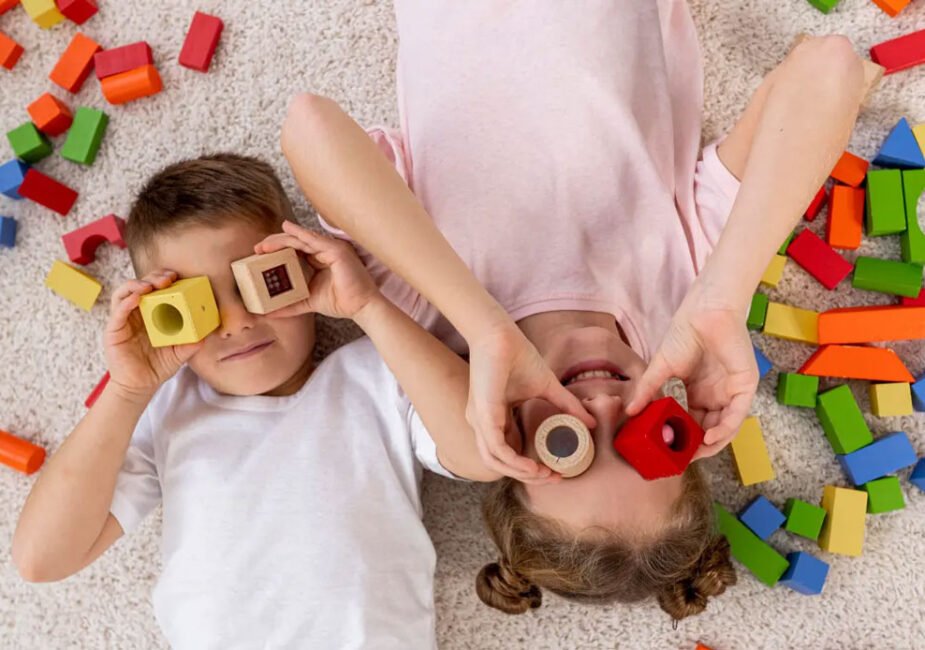
Playtime supports childhood growth through natural exploration that feels enjoyable, while remaining deeply effective. Caregivers who encourage meaningful play help children build confidence through daily experiences rooted in curiosity. This article invites reflection on play choices and urges thoughtful action that supports balanced childhood progress.
Research within child development fields shows how play supports learning through experience without formal pressure. Toy companies serve as helpful examples within this space, with Mattel illustrating how thoughtful toy design can guide creativity responsibly. This guide explains influence within play environments, rather than promoting any specific brand directly. Readers can observe play behaviors closely and recognize how structure shapes engagement.
Purposeful Play Shapes Early Cognitive Growth
Purposeful play strengthens thinking skills through repeated interaction that feels safe, supportive, and predictable. Children absorb new ideas through hands-on experiences that encourage curiosity, without fear or pressure. Play sessions guide attention toward patterns and problem-solving awareness through steady engagement.
Memory develops naturally as children repeat actions within enjoyable play routines over time. Confidence grows when challenges feel achievable and are supported through familiar play activities. Cognitive growth follows consistent exposure to purposeful play experiences that reinforce learning gently.
Creative Interaction Strengthens Emotional Expression
Creative play supports emotional clarity through expression within safe and imaginative spaces. Children explore feelings through stories, role play, and movement without external pressure. These activities support emotional balance through recognition of internal states and responses. Emotional awareness develops as play allows free expression within supportive environments.
Key emotional benefits include:
- Pretend play encourages emotional release through storytelling and reflects personal experiences safely
- Artistic toys promote calm focus through tactile interaction and support emotional regulation
- Open-ended play nurtures self-expression through imagination, without imposed outcomes
Social Confidence Grows Through Shared Play Moments
Shared play builds comfort within group settings through repeated and positive interaction. Children learn cooperation through shared goals developed during structured play experiences. Turn-taking builds patience through predictable play routines that feel secure and reassuring.
Communication improves as role-based play encourages verbal expression naturally. Trust develops through consistent interaction within familiar play environments over time. Social confidence strengthens through shared moments grounded in enjoyable play experiences.
Imaginative Play Encourages Lifelong Curiosity
Imaginative play fuels curiosity through exploration within flexible and creative boundaries. Play without strict outcomes supports idea expansion through self-guided discovery processes. Children test their thoughts through make-believe scenarios that stimulate creative thinking skills. Curiosity grows through freedom experienced during imaginative play sessions that invite exploration.
Several important developmental aspects:
- Story-based toys expand narrative thinking through character-driven driven imaginative exploration
- Role-play activities support identity awareness through creative and expressive experiences
- Building toys inspires curiosity through hands-on design exploration and experimentation
Consistent Playtime Supports Healthy Development Patterns
Routine play creates emotional security through predictability within daily childhood schedules. Children respond positively to familiar play times that provide structure without rigidity. Consistency supports focus through expectation built around regular play engagement patterns.
Energy levels balance through active play integrated into daily routines naturally. Emotional regulation improves through steady exposure to predictable play environments. Healthy development patterns emerge through reliable play experiences supported by consistency.
Play remains a vital force within childhood development across emotional, cognitive, and social domains. Thoughtful play choices shape growth through clarity, purpose, and intentional engagement. Industry examples such as Mattel help illustrate how toy design influences play engagement without endorsement. Caregivers can take action through mindful play selection while observing responses closely. Continued attention to play habits supports meaningful developmental outcomes over time. Childhood growth reflects care-driven play supported through intention, consistency, and awareness.
Last modified: January 21, 2026