What Makes 5.56 Anti-Drone Ammo Effective Against Low Altitude UAV Threats
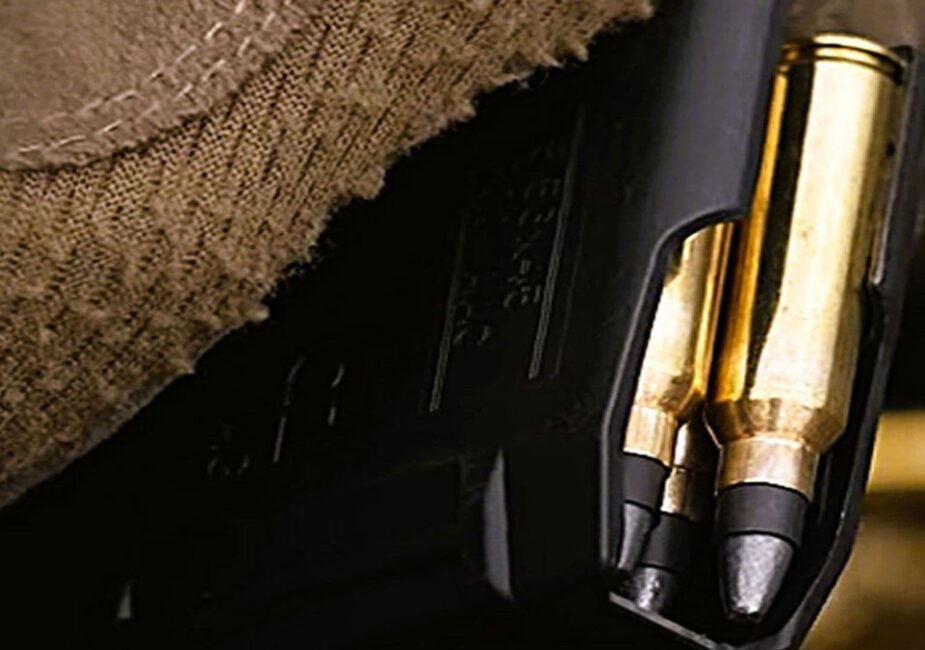
Low-altitude drones create a unique kind of pressure on ground teams. They swoop in fast, stay quiet, and shift directions before most people even register the threat. Many units rely on familiar rifles to counter these small unmanned aerial vehicles, which leads to a closer look at how specialized 5.56 loads handle the job.
The appeal comes from the simple fact that these rounds fit rifles already trusted in the field. When shaped and tuned for drone defense, they offer a clean way to hit small aerial targets without bulky gear. That practical mix makes anti drone ammunition a steady part of modern protective setups.
Precision Flight
Accuracy is the first thing people notice when these rounds are compared to standard loads. Low-flying drones leave almost no margin for sloppy shots, so tight flight patterns matter. Stable trajectories give users a chance to land hits before a drone darts out of view.
Predictable behavior also saves precious seconds when conditions feel rushed. Clean recoil helps shooters track a drone as it tilts or hovers. It lets them stay locked in on the target rather than fight the rifle.
Aerodynamic Shape Helps Strike Small Targets
These rounds lean heavily on aerodynamic shapes that hold speed and reduce drag. The design helps them reach small airborne frames with enough force to matter. A drone does not need a heavy hit to lose steady lift, so efficiency goes a long way.
Their shape also pushes through small gusts that swirl at low heights. Wind can throw a drone off course, which means the round needs to fly true even when the target shifts slightly. This dependable flight pattern gives users a better chance at stopping the threat quickly.
Controlled Fragmentation
Some 5.56 loads use controlled fragmentation that brings quick disruption on impact. When a round breaks into focused pieces, it spreads force into fragile drone components. That sharp transfer can knock sensors loose or damage rotor mounts that keep the craft airborne.
This kind of impact also helps when drones carry compact payloads or mounted devices. A weakened frame begins to wobble, and a wobbling frame soon drops. It makes each successful hit more significant during tight moments.
Compatibility Makes Field Use Simple
One of the strongest benefits comes from simple compatibility. Units stick with rifles they already understand, and these rounds fit right in. This avoids retraining or carrying heavier platforms that slow movement.
Compatibility also helps users adjust quickly when a drone appears near a guarded point. That fast shift keeps teams prepared without cluttering their loadouts. It brings a sense of control when an unmanned aerial vehicle tries to slip into protected space.
Reliable Cycling Keeps Rifles Ready
Specialized 5.56 loads must cycle smoothly, or they risk interrupting critical engagements. Drone threats rarely pause, so clean feeding and extraction help keep rifles ready. These rounds reduce unnecessary buildup and support dependable action inside the chamber.
Smooth cycling also gives users a steadier rhythm while tracking changing angles. They can focus forward without breaking concentration. That ease helps them manage quick directional changes that small drones love to make.
Specialized 5.56 rounds earn their place in counter-UAV roles through balanced design and dependable behavior. Their blend of speed, clean recoil, and focused impact suits the fragile structure of small drones. They also integrate well with common rifles, which keeps equipment simple during high-pressure moments. Their stable flight pattern helps users handle drones that shift angles without warning. These factors show why anti drone ammunition fits neatly into modern protective plans. It gives teams a reliable path to stop aerial threats before they reach sensitive areas.
Last modified: January 20, 2026