What Parents Should Know About Elementary Schools Art Programs Online
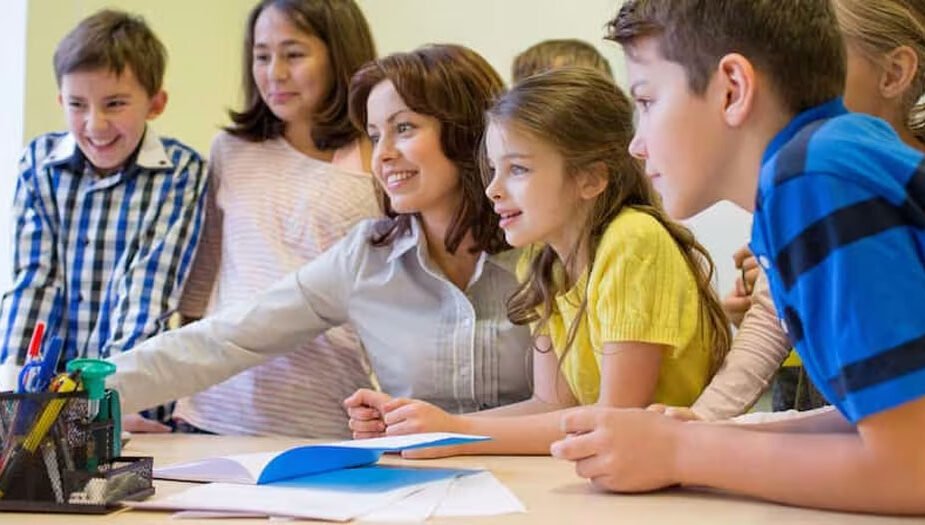
Online art education has become a practical option for many elementary-level learners. Parents often seek clarity about structure, value, and learning outcomes before enrolling children. This article outlines key points that support informed decisions about digital art instruction.
Structure of Online Art Lessons
Online art lessons usually follow a clear and consistent structure for young learners. In art programs for elementary schools, lessons often begin with simple introductions and visual examples. This format helps with focus and prepares students for guided creative tasks. Clear structure supports confidence during independent work time.
Most programs organize lessons by grade level or skill focus. Visual demonstrations replace physical classroom modeling. Step-by-step instruction supports skill development at a steady pace. Predictable lesson flow reduces confusion during online sessions.
Creative Skill Development
Art programs online help support creativity through varied projects and techniques. Lessons often include drawing, painting, and mixed media activities. These experiences help with idea expression and visual exploration. Creative thinking grows through repeated practice.
Children receive prompts that encourage imagination without pressure. Projects allow personal interpretation within lesson goals. This balance supports originality while building foundational skills. Creative confidence develops through completed work.
Technology and Access Needs
Reliable technology supports smooth participation in online art lessons. Basic requirements usually include a device, internet access, and simple art supplies. Programs aim to keep materials accessible for families. Clear instructions help reduce setup challenges.
Some platforms include recorded lessons and live sessions. Recorded content supports flexible scheduling when needed. Live sessions allow real-time guidance and feedback. Access options help meet varied family routines.
Tools Often Used in Online Art Programs
Common elements may include:
- Video-based demonstrations
- Downloadable lesson guides
- Simple household materials
Feedback and Student Engagement
Feedback plays a key role in online art education by guiding improvement and reinforcing effort. Teachers often provide comments through digital platforms or structured class discussions that address technique and expression. This interaction helps students reflect on creative choices and understand areas for growth. Engagement grows when feedback feels timely, specific, and connected to lesson goals.
Students may also share artwork with peers during guided review moments. Viewing others’ work encourages observation, comparison, and thoughtful discussion about artistic approaches. Respectful exchanges support communication skills and confidence in expression. Engagement increases through shared creative experiences that value diverse ideas and perspectives.
Curriculum Alignment and Learning Goals
Online programs often align lessons with age-appropriate learning goals. Skills such as observation, technique use, and expression guide lesson design. Clear goals help track progress over time. Alignment supports consistency across sessions.
Programs may connect art lessons with broader subjects like history or culture. These links help expand understanding through visual learning. Art becomes a tool for exploration and reflection. Learning goals remain clear and measurable.
Parental Support and Involvement
Parental involvement supports successful online art learning. Adults may assist with setup or material preparation. Guidance helps younger students stay focused during lessons. Support roles vary by age and independence level.
Parents often observe progress through shared artwork or feedback notes that reflect skill development over time. This visibility helps maintain encouragement and routine by highlighting effort and improvement. Open communication with instructors supports clarity around lesson goals, expectations, and student progress.
Online art education offers structured creative opportunities for elementary learners. Art programs for elementary schools help with creativity, observation, and thoughtful expression. Clear expectations, supportive feedback, and accessible tools shape effective experiences. With informed choices, families can support meaningful artistic growth through digital learning environments.
Last modified: January 20, 2026