Legal Remedies for Homeowners Affected by Wood Infestation
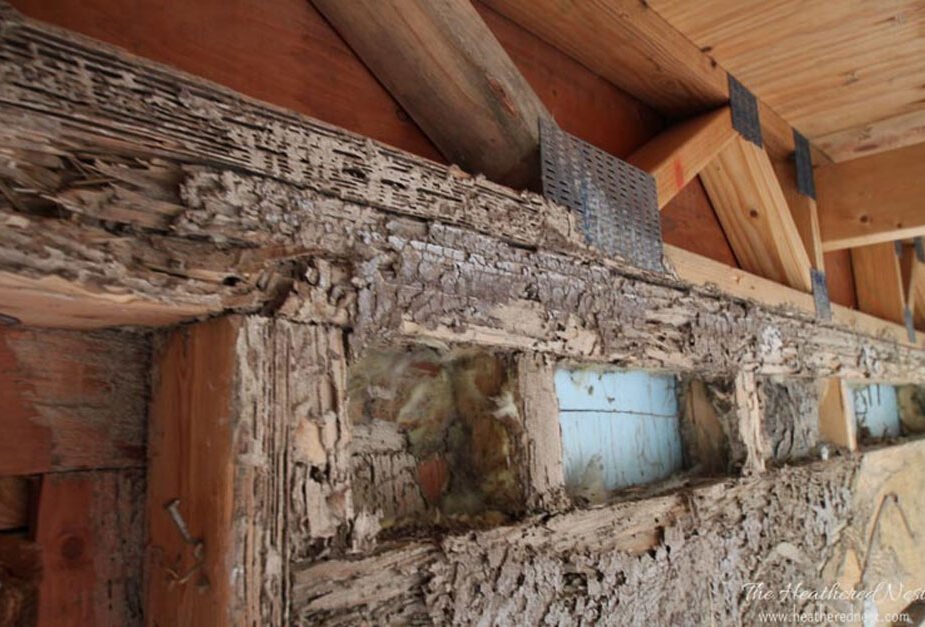
According to Orkin’s rankings for the year 2025, the cities that will have the highest number of termites are also going to be the warmest ones. The thermophilic and hydrophilic nature of termites is the main reason they spread their destruction to about 600,000 U.S. houses every year.
It is pretty troublesome to handle a pest attack on wood. You might find it hard to decide what to do first and what your alternatives are. It is necessary to be aware of your rights as a homeowner since there are a number of legal solutions open to you, and knowing which one to use might just tip things in your favor.
Let’s look at the various legal remedies available for homeowners who are suffering from wood infestation.
Understanding Wood Infestation and Its Impact on Homeownership
Wood pests like termites and wood-eating ants are not issues that property owners can justifiably ignore. To a large extent, the amount of damage caused by these sucking pests will depend on how soon and properly the necessary actions are taken. If your building is compromised with infestation, it may lose its structural integrity.
Protecting the house involves being very observant and making frequent inspections to apply solutions once the issues start to occur. In the event of an infestation, do not just sit back. Your home should be safe and comfortable for you.
Homeowner Rights Regarding Pest Infestation
If you’re a homeowner, you should know your rights in connection with pest invasion. You and your family have a right to stay in a safe place where no pests can come and disturb you. Usually, if you rent a place and there is an infestation, you can ask your landlord or property manager to fix the situation immediately.
In the case of homeowners, they can get pest control professionals to inspect their house thoroughly.
Pursuing Compensation for Damages
When you face economic damages from property destruction, pursuing compensation for those damages can diminish the effects.
Include pictures, repair estimates, and any and all communications with pest control services. That evidence will strengthen your case when you file a claim for investigation.
Feel free to consult your insurance company. The company may be able to help you recover some of your losses. Another thing that you could try is to chat with a lawyer who specializes in homeowner rights. These attorneys will be conversant with what is needed and will guide you to a level where compensation can be assured so that you can put your worries to rest.
Legal Actions Against Pest Control Companies
If you think that pest control companies didn’t keep their end of the bargain or that their work wasn’t up to the standards you expected, the first step in suing them is to know your legal rights.
This entire process should be coupled with collecting proof like contracts, invoices, and pictures of the destruction. Besides that, it might be good to have a diary or log recording your communications with the company while doing this. The next step could be submitting a complaint to the relevant monitoring body or taking advantage of their mediation service. Should all the other remedies fail, then perhaps one could proceed with suing for breach of contract or negligence.
Preventative Measures and Future Protections
If you want to keep your home free of pests after the invasion, you will need to take steps to stop them from coming back. First, seal up any cracks or holes that lead outside. These are the most common ways for pests to get in. Check the wooden parts of the building and see to it that they are pest-proof so that the material doesn’t get wet and so that maintenance can be done regularly. Attaching screens for all your windows and vents could be a good move.
You should schedule that pest inspection early to address any concerns. Clean the yard of any debris while guaranteeing it drains well since dirt and unwanted visitors would become an attraction. Joining a local homeowners association or neighborhood group focused on pest control could be good.
Last modified: January 6, 2026