Planning a Smokies Trip When You’re Craving Some Fresh Mountain Air
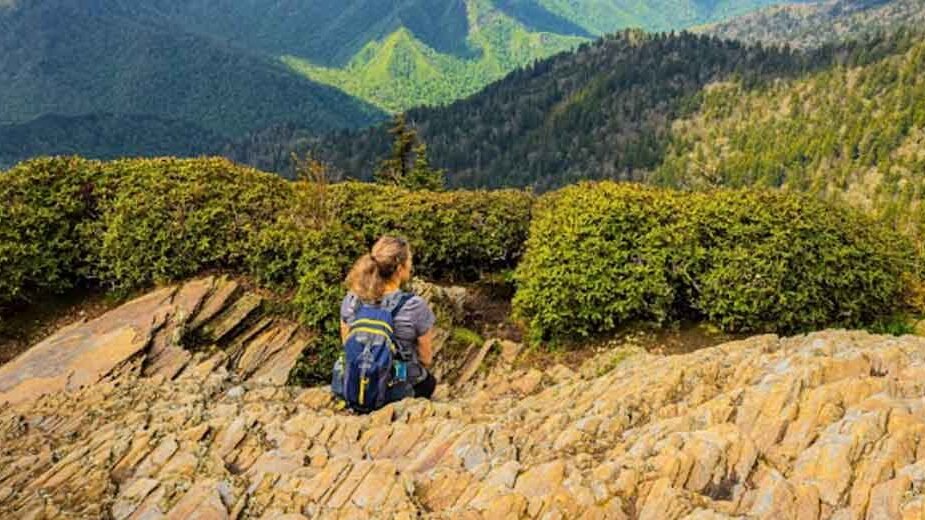
Many people reach a point where they need fresh air and open space but feel stuck when they try to plan a simple trip. The Smokies draw millions of visitors each year because the mountains sit close to many major cities and offer easy access for short getaways. Even with the park’s popularity, many travelers still feel unsure about when to visit, where to stay, and how to plan days that feel calm instead of rushed.
If you want a break from busy routines and hope for quiet trails and wide views, the Smokies can give you that relief. You only need a clear plan so you don’t waste time searching for parking, driving in circles, or deciding where to start your day. This guide breaks the planning process into simple steps.
Choosing the Area of the Smokies That Fits Your Style
The Smokies stretch across the Tennessee and North Carolina borders, and each side offers a different experience. The Tennessee side has more lodging and dining options, plus quick access to many popular trailheads. The North Carolina side tends to feel quieter and offers broad views and less traffic near some entrances.
If you like short hikes mixed with food and shopping, the Tennessee side may suit you. If you want wide open roads and simple access to overlooks, the North Carolina side might work better. Pick one area and explore it well.
Checking Real-Time Views Before Starting Your Day
Mountain weather can change fast, so it helps to look at real-time views before you choose a trail or scenic drive. Many travelers check the webcams in the Smoky Mountains to see cloud cover, sunlight, or early fog. If you want a clear list of where to find these cameras, check out this Smoky Mountain webcam resource by Smoky Mountain Outdoors Rafting, an outdoor adventure company located near the Pigeon River. A quick look at these views can help you understand what the day looks like before you head out.
Clear views can also help you plan photo stops and decide whether you need to adjust your timing.
Using real-time information keeps your day flexible. If visibility looks low, you can choose a forest trail. If the skies look clear, you can head for a high overlook. A few minutes of checking conditions can save you time later.
Planning a Simple Trail List Instead of a Packed Schedule
Many visitors make the mistake of planning too many hikes in one day. The Smokies offer hundreds of miles of trails, but you will enjoy your trip more if you pick one or two trails per day. This keeps your pace steady and gives you more time to enjoy the scenery instead of rushing to finish a list.
Choose trails based on distance, difficulty, and parking needs. Some trailheads fill early, so an early start helps. If you want shorter walks, pick trails close to your lodging. If you want longer hikes, plan for extra water, snacks, and simple layers. A short list of well-chosen trails creates smoother days and reduces stress.
Mapping Scenic Drives That Add Purpose to Your Trip
Scenic drives help you see large sections of the Smokies without rushing. The Foothills Parkway provides wide views and fewer intersections, which helps if you want a calm drive with simple stops. Cades Cove Loop works well for people who want to see open fields and historic structures, but traffic can build during busy seasons, so early visits help.
Pick one scenic drive for each day of your trip so you don’t spend too much time in the car. When you choose routes ahead of time, you avoid long detours and reduce stress. Scenic drives also help you plan your energy. You can mix a short hike with a slow drive and finish the day without feeling worn out.
Learning Key Wildlife Awareness Before Arriving
The park is home to black bears, deer, and other animals that depend on space and natural food sources. Good wildlife awareness keeps both visitors and animals safe. Keep a good distance from all wildlife and never feed animals, even small ones. Feeding wildlife can lead to unsafe behavior and harm animals over time. Store food in your vehicle and keep snacks sealed.
If you see a bear on a trail or roadside, step back and give it room to move. The National Park Service offers clear guidance on safe distances, and those rules help protect everyone in the area. When visitors understand these basics before arriving, the park stays safer and cleaner for future trips.
Preparing for Weather Shifts with Simple Essentials
Weather in the Smokies can change without warning, especially at higher elevations. The temperature at the top of Kuwohi, for example, often differs from temperatures in nearby towns. Bring light layers, a simple rain jacket, and enough water for the time you plan to spend outdoors. Good shoes help on rocky trails, and a small bag keeps your essentials in one place.
Storms develop more often in the afternoon during warm months, so morning hikes can reduce risk. If clouds build fast, head back toward lower ground or complete your hike early. Preparing for these changes helps you stay comfortable and safe during your trip.
Setting a Trip Budget That Matches Your Priorities
A clear budget helps you focus your spending on parts of the trip that matter most. Lodging often takes the largest share, so choose a place that works for your needs without adding extras you won’t use. Meals can add up fast in busy towns, so mix restaurant meals with simple snacks or groceries. Parking in the national park requires a valid parking tag, which applies to most vehicles parked longer than a quick stop. Make sure you purchase the correct tag before your visit so you avoid delays.
Plan for fuel costs, any paid attractions, and unexpected needs. When you set your budget early, you avoid surprise spending and stay focused on the experiences that bring the most value to your trip.
A trip to the Smokies becomes easier when you make a few clear choices before you arrive. You choose the right season, stay in a town that cuts down on extra driving, and plan days that match your energy and interests. You also stay flexible by checking the weather and visibility, and you understand the basics of wildlife safety. Simple preparation helps you enjoy steady days outdoors without feeling rushed.
The Smokies offer wide views, quiet trails, and easy access for short or long visits. With a practical plan, you can enjoy clean air, scenic drives, and calm moments in a place many travelers return to again and again.
Last modified: December 19, 2025