Essential Tips for Preventing Costly Home Repairs
Home repairs often become expensive when small issues are ignored for too long. Many problems begin quietly behind walls, under floors, or outdoors, only to surface once serious damage has already occurred.
By paying attention to routine care and simple habits, homeowners can reduce the chances of sudden breakdowns and protect their property from avoidable stress. In Reno, NV, a proactive approach to home maintenance helps preserve comfort, safety, and peace of mind.
Preventing costly repairs is not about constant renovations. It is about awareness, timely action, and consistent upkeep. When homeowners understand where problems usually begin, they can address concerns early and avoid long-term damage.
Protecting Drains and Sewer Lines from Damage
Drain and sewer systems are often overlooked because they are out of sight. However, when these systems fail, the repairs can be disruptive and expensive. Slow drains, unpleasant odors, and recurring backups are early signs that something is wrong. Ignoring these warnings allows blockages and pressure to worsen.
Tree roots, grease buildup, and debris are common causes of hidden damage in sewer lines. Routine cleaning and inspections help keep water flowing freely and prevent cracks from growing larger. When early warning signs appear, get in touch with an experienced rooter service in Reno, NV to assess the situation and address underlying issues before they spread through the system.
Homeowners can also reduce risk by being mindful of what goes down the drain. Avoid flushing items that do not dissolve easily, and keep grease and food waste out of sinks. These simple habits protect pipes and help prevent unexpected repair work.
Planning for Major Plumbing Repairs
While routine care helps reduce the risk of serious sewer problems, some damage develops gradually and may not be visible until it becomes unavoidable. Aging pipes, shifting soil, and long-term root intrusion can eventually require more extensive work.
Having a basic understanding of the sewer line replacement cost allows homeowners to plan ahead and avoid unexpected financial strain if repairs become necessary. Being informed early makes it easier to respond calmly when professional intervention is required.
Maintaining the Roof and Gutters
The roof shields the entire home from weather exposure, yet it is often forgotten until leaks appear. Small cracks, missing shingles, or loose materials allow moisture to seep inside. Over time, this moisture damages insulation, ceilings, and walls.
Regular visual checks after storms help catch issues early. Clearing leaves and debris from gutters is equally important. When gutters clog, water overflows and pools near the foundation or seeps into siding. This increases the risk of mold and structural damage. Ensuring proper drainage around the roof helps water move away from the home. Taking a few moments each season to inspect these areas can prevent extensive interior repairs later.
Keeping Plumbing Systems in Good Condition
Plumbing problems rarely fix themselves. A slow leak under a sink or behind a wall may seem minor, but constant moisture weakens surrounding materials. Over time, wood softens, metal corrodes, and mold begins to grow.
Listening for dripping sounds and checking for damp spots helps identify trouble early. Water pressure that changes suddenly can also signal a hidden issue. Regularly inspecting exposed pipes and connections keeps small concerns from becoming large repair projects.
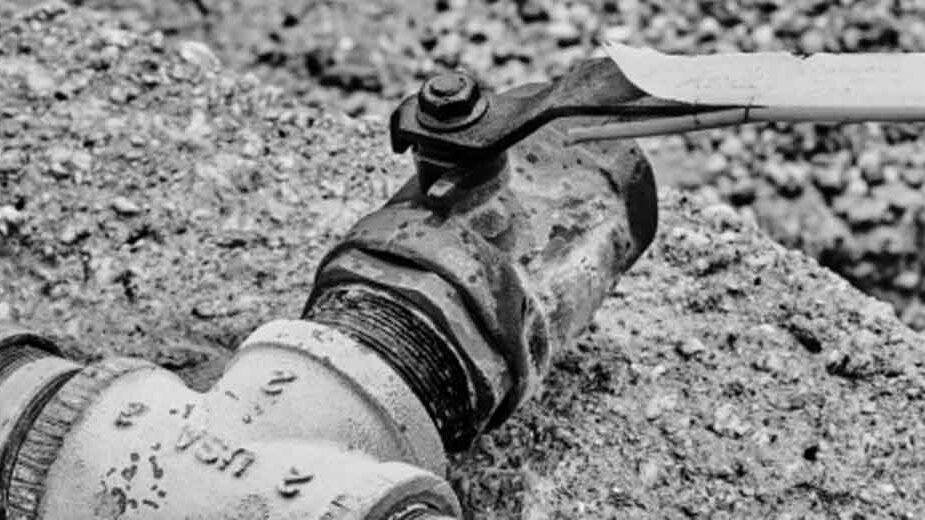
Shutting off water quickly when a leak is discovered limits damage. Knowing where the main water valve is located gives homeowners control in urgent situations.
Monitoring Electrical Systems for Safety
Electrical issues pose both repair and safety risks. Flickering lights, warm outlets, or frequent breaker trips indicate that something is wrong. Ignoring these signs can lead to damaged wiring or increased fire risk.
Keeping electrical panels accessible and free of clutter allows for quick checks. If outlets feel loose or switches stop working properly, addressing them promptly reduces strain on the system. Avoid overloading outlets with too many devices. Spreading usage evenly helps prevent overheating and wear on wiring. Small adjustments in daily habits can protect the entire electrical system.
Preventing Moisture and Mold Issues
Moisture is one of the most damaging elements for a home. It affects walls, floors, and air quality. Poor ventilation in kitchens, bathrooms, and laundry areas allows humidity to build up and settle into surfaces.
Using exhaust fans and opening windows when possible helps control moisture levels. Checking seals around windows and doors prevents outside moisture from entering. Even small gaps can let in water during storms. Basements and crawl spaces should also be monitored. Keeping these areas dry and well ventilated protects the foundation and prevents odors and material damage.
Caring for Heating and Cooling Systems
Heating and cooling systems work hard throughout the year. When they are neglected, performance drops and components wear out faster. Dust buildup, blocked vents, and lack of routine care place unnecessary strain on the system.
Changing filters regularly helps maintain airflow and efficiency. Keeping vents clear allows air to circulate properly and reduces stress on internal parts. Listening for unusual sounds can alert homeowners to developing issues. A well-maintained system lasts longer and reduces the risk of sudden failure during extreme temperatures. Regular attention also supports consistent indoor comfort and helps the system operate smoothly without unexpected interruptions.
Watching the Foundation and Exterior Walls
The foundation supports the entire structure, so even small cracks deserve attention. Shifting soil, water buildup, and poor drainage all affect stability. Early signs include cracks in walls, uneven floors, or doors that no longer close properly.
Ensuring water flows away from the home helps protect the foundation. Keeping soil graded correctly and addressing pooling water reduces pressure on structural materials. Exterior walls should also be checked for cracks or peeling surfaces. Addressing these issues early helps maintain strength and prevents water from entering the home.
Staying Ahead With Routine Inspections
Regular inspections are one of the most effective ways to prevent costly repairs. Walking through the home and checking key areas creates familiarity with normal conditions. When something changes, it becomes easier to notice.
Creating a simple maintenance schedule helps homeowners stay consistent. Tasks such as checking seals, clearing drains, and testing systems do not require advanced knowledge. They require attention and follow through.
Preventing costly home repairs is about protecting what you already have. By addressing small issues promptly and maintaining essential systems, homeowners reduce stress and extend the life of their property. A little care today helps avoid major repairs tomorrow and keeps the home safe, comfortable, and reliable for years to come.
Last modified: February 18, 2026