Comfort Meets Savings: Home Features You Should Upgrade Now
Living in a place like Lake Butler, FL, means your home works harder than usual for much of the year. Hot, humid summers can push cooling systems to their limits and send energy bills climbing fast. Comfort should never feel like a luxury, yet many homeowners feel stuck choosing between staying cool and staying on budget. However, smart home upgrades can help you enjoy both. By improving key features, you can create a cooler, more comfortable living space while also cutting long-term costs.
This article discusses the most effective home upgrades you should consider right now, focusing on changes that deliver real comfort and noticeable savings.
Upgrade Your HVAC System for Reliable Cooling
In a place like Lake Butler, FL, your HVAC system plays a major role in daily comfort, especially during long stretches of heat and humidity. Air conditioning and proper ventilation help control temperature and moisture, which makes indoor spaces feel cooler and healthier. If your system struggles to keep up, cycles on and off too often, or causes rising utility bills, it may be time for an upgrade.
Modern HVAC systems use less energy while delivering stronger and more consistent cooling. Options include high-efficiency air conditioners, improved ductwork, and upgraded ventilation components that help air move evenly throughout the home. However, these improvements work best when installed and sized correctly. Partnering with a top HVAC contractor in Lake Butler, FL, helps ensure your system matches your home’s needs and performs reliably during peak heat. Professional guidance also reduces the risk of costly mistakes that can limit efficiency and comfort.
Improve Insulation to Keep Cool Air Inside
Insulation does more than protect your home during cold weather. It plays a critical role in keeping cool air from escaping during warmer months. Poor insulation allows heat to enter and cooled air to leak out, forcing your HVAC system to work harder. This leads to discomfort and higher energy use.
Upgrading insulation in areas like the attic and exterior walls helps stabilize indoor temperatures. When insulation works properly, your home stays cooler for longer periods without constant system adjustments. This upgrade supports other improvements, such as HVAC enhancements, and helps maximize their impact. Over time, better insulation reduces strain on cooling equipment and lowers monthly energy costs.
Seal Air Leaks Around Doors and Windows
Small air leaks can cause big comfort problems. Gaps around doors and windows allow warm air to enter while letting cooled air escape. Even minor leaks can disrupt indoor temperatures and create hot spots throughout the home. Sealing these areas offers a simple but effective way to improve comfort.
Weather stripping and caulking help close those gaps and create a tighter building envelope. Once sealed, your home maintains a more stable temperature and feels more comfortable without extra cooling. This upgrade also reduces humidity infiltration, which can make indoor air feel heavy and uncomfortable.
Install Energy-Efficient Windows
Older windows often allow heat to pass through easily, which makes cooling more difficult. Energy-efficient windows reduce heat transfer and help maintain consistent indoor temperatures. Many modern designs also block harmful UV rays, which protects furnishings and reduces indoor heat buildup.
While replacing windows requires an upfront investment, the long-term benefits make it worthwhile. Improved windows reduce the demand on cooling systems and contribute to lower energy bills. They also improve comfort by reducing drafts and maintaining even temperatures throughout the home.
Upgrade Ceiling Fans for Better Air Circulation
Ceiling fans play a larger role in comfort than many homeowners expect. While they do not lower the actual temperature, they help move air through a space, which makes rooms feel cooler. When air circulates properly, your cooling system does not need to work as hard to maintain comfort. Older fans often lack efficiency and may create uneven airflow.
Upgrading to modern, energy-efficient ceiling fans improves circulation while using less power. Many newer models include multiple speed settings and quiet motors that support daily use. Proper placement also matters. Fans installed in living areas and bedrooms help distribute cool air more evenly, which reduces the need to lower the thermostat.
Switch to Smart Thermostat Technology
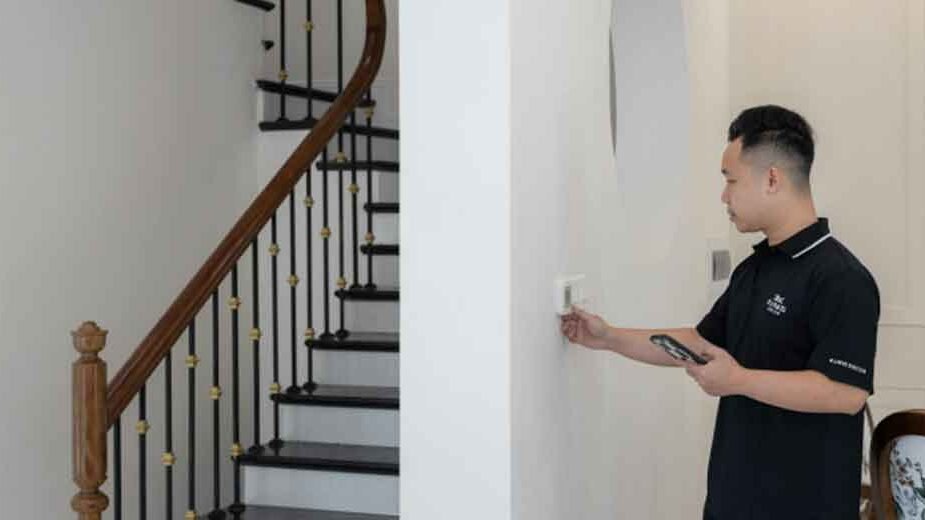
A smart thermostat gives you more control over how and when your home cools. Traditional thermostats often rely on manual adjustments, which can lead to overcooling or unnecessary energy use. Smart systems adapt to your routine and respond to changes in temperature more efficiently.
These thermostats allow scheduling, remote access, and automatic adjustments based on usage patterns. When the home sits empty, the system can reduce cooling without affecting comfort. When you return, temperatures adjust automatically. This level of control helps prevent wasted energy while maintaining a comfortable indoor environment. Over time, smart thermostats support consistent savings without requiring constant attention.
Choose Energy-Efficient Appliances
Appliances generate heat and consume energy, often more than homeowners realize. Older models tend to run longer and release excess warmth into the home, which adds strain to cooling systems. This effect becomes noticeable during warmer months when indoor temperatures rise faster.
Energy-efficient appliances use less power and produce less heat during operation. Upgrading items like refrigerators, washers, and dryers helps reduce overall energy demand. These improvements support indoor comfort by limiting heat buildup while also lowering utility costs. Choosing efficient appliances creates a more balanced home environment and complements other comfort-focused upgrades.
Improve Outdoor Shading and Landscaping
Outdoor features can directly affect indoor comfort. Without proper shading, sunlight heats exterior walls and windows, which raises indoor temperatures. Strategic shading reduces heat gain and helps maintain a cooler interior.
Options include awnings, pergolas, and well-placed landscaping that blocks direct sun exposure. Trees and shrubs near windows and exterior walls provide natural shade and improve curb appeal. These changes also support energy efficiency by reducing the workload on cooling systems.
Prioritize Upgrades That Pay Off the Fastest
Not every upgrade needs to happen at once. Prioritizing improvements based on impact and budget helps homeowners see results sooner. Some upgrades deliver faster returns through immediate energy savings and improved comfort.
Starting with changes that reduce energy waste allows other systems to perform better. As savings build, additional upgrades become easier to manage. Planning improvements in phases keeps the process practical and manageable. This approach ensures that each upgrade adds value without creating financial strain.
Creating a comfortable and cost-efficient home comes down to making choices that support how your space functions every day. These upgrades give you more control over your environment and your energy use. Instead of reacting to rising bills or uneven temperatures, you can build a home that works smarter and adapts to your needs.
Last modified: December 19, 2025