Why Patient Support Programs Matter in Hospitals
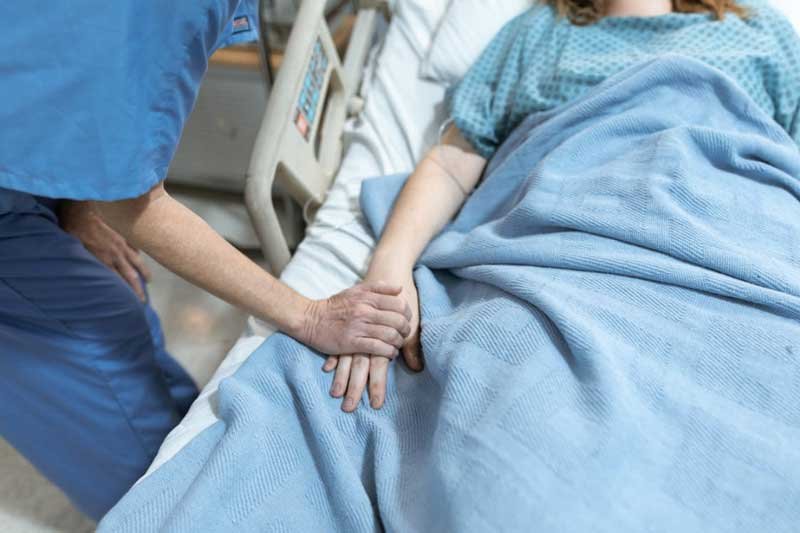
Have you ever noticed how confusing a hospital can feel even when doctors explain everything clearly? Hospitals treat illness, yet patients often struggle with paperwork, fear, and family stress at the same time. Support programs step in to handle those challenges. They guide patients through treatment while easing the pressure that builds around medical care. In this blog, we will share why patient support programs matter in hospitals and how they improve care for both patients and staff.
How Support Teams Bridge Medical and Personal Needs
A hospital visit rarely involves only medical decisions. Patients often worry about paying bills, arranging childcare, managing work schedules, and preparing for recovery at home. These concerns do not appear on a lab report, yet they strongly influence whether treatment succeeds.
Support teams help bridge the gap between clinical care and everyday life. They coordinate communication between doctors, nurses, families, and outside services. Within this system, professionals responsible for social worker duties in a hospital often help patients locate housing support, connect with community programs, or manage emotional stress during treatment.
This work may sound simple, yet its impact runs deep. Imagine a patient recovering from surgery who lives alone and cannot drive. Without help, that person might miss follow-up appointments or struggle with medication schedules. A support program can arrange transportation services, coordinate home care, and explain recovery steps in clear language.
These teams also assist families during difficult moments. When a loved one enters intensive care, relatives often feel overwhelmed by medical terms and unfamiliar procedures. Support staff can sit with families, answer questions, and help them understand treatment options. In situations where patients face long-term illness, these conversations become essential for planning daily life.
Hospitals increasingly recognize that clear communication reduces errors and improves recovery outcomes. When patients understand instructions and feel supported, they are more likely to follow treatment plans and attend follow-up visits.
Reducing Stress During a Difficult Time
Illness already brings uncertainty. Add unfamiliar medical settings, financial worries, and time away from normal routines, and the situation becomes overwhelming for many people.
Support programs help reduce that stress in practical ways. One of the most common services involves patient navigation. Navigators guide individuals through hospital departments, schedule appointments, and explain each step of treatment. This assistance may seem small, yet it prevents the confusion that often leads to missed tests or delayed care.
Financial counseling forms another key service. Healthcare costs remain a major concern in the United States, and many patients hesitate to seek treatment because they fear large bills. Support staff help explain insurance coverage, payment plans, and available assistance programs. When patients understand their financial options, they feel more comfortable focusing on recovery.
Mental health support also plays a role. Hospitals increasingly include counseling services as part of patient care. Short conversations with trained counselors can help patients process fear, anxiety, or grief related to illness.
Interestingly, hospitals have started using small comfort programs that might appear minor at first glance. Family waiting areas with quiet rooms, patient education workshops, and volunteer visitor programs all contribute to emotional stability. These efforts acknowledge that healing involves both physical treatment and psychological reassurance.
Improving Communication Across the Healthcare System
Hospitals function as busy networks where dozens of professionals interact every day. Doctors focus on diagnosis and treatment, nurses manage daily care, technicians run tests, and administrators coordinate logistics. In such a complex environment, communication gaps can easily appear.
Patient support programs help close those gaps by keeping everyone informed. When a support specialist meets with a patient, they often relay concerns back to the medical team. This feedback allows doctors to adjust care plans or clarify instructions.
Consider the challenge of discharge planning. Hospitals aim to send patients home as soon as it is medically safe, partly because shorter stays reduce costs and free beds for other patients. However, leaving the hospital without proper preparation can create serious problems.
Support staff help organize this transition. They review medication schedules, arrange follow-up visits, and confirm that patients understand warning signs that require medical attention. Some programs even call patients a few days after discharge to answer questions and check recovery progress.
This follow-up reduces hospital readmissions, which remain a major concern for healthcare systems. When patients return to the hospital because instructions were unclear, both medical costs and stress increase. Strong communication through support programs helps prevent these setbacks.
Strengthening Trust Between Patients and Hospitals
Public trust in healthcare institutions has become a major topic in recent years. Debates about medical costs, insurance coverage, and public health policies appear regularly in news headlines. In this climate, hospitals must work harder to maintain strong relationships with the communities they serve.
Patient support programs help build that trust through direct human connection. When patients interact with staff who listen carefully and explain procedures patiently, the hospital feels less like a large bureaucracy and more like a supportive environment.
Community outreach also forms part of many programs. Hospitals often partner with local organizations to provide health education, screening events, and recovery support groups. These efforts show that care continues beyond the hospital walls.
For example, programs that help patients manage chronic illnesses such as diabetes or heart disease often include education sessions, nutrition guidance, and follow-up calls. Patients learn how to handle their condition in daily life rather than relying solely on emergency treatment.
Technology has begun supporting these efforts as well. Telehealth platforms allow support staff to check in with patients remotely, answer questions, and monitor recovery progress. While technology improves convenience, the human element remains central. Patients still value clear conversations and genuine attention more than automated messages.
Practical Ways Hospitals Can Strengthen Support Programs
Hospitals that want stronger patient experiences often begin by evaluating existing support services. Surveys, patient feedback, and staff input reveal which areas need improvement.
Training programs represent a strong first step. Staff members who interact with patients regularly benefit from communication training that emphasizes empathy, clarity, and cultural awareness. Simple changes in communication style can transform a stressful interaction into a reassuring one.
Hospitals can also expand patient education resources. Clear written guides, instructional videos, and group workshops help patients understand treatment plans without feeling overwhelmed. Materials should use plain language so patients from different backgrounds can follow instructions easily.
Another important step involves coordination with community services. Local transportation programs, meal delivery organizations, and rehabilitation centers often work closely with hospitals to support recovery at home. Strong partnerships allow hospitals to connect patients with resources quickly.
Finally, hospitals benefit from tracking outcomes related to support programs. Measuring readmission rates, patient satisfaction scores, and recovery progress helps administrators understand which services produce the greatest impact.
Patient support programs remind healthcare systems of a simple truth. Medicine treats the body, yet people experience illness within the larger context of daily life. When hospitals address both medical and human needs, care becomes clearer, recovery becomes smoother, and the entire system works more effectively for everyone involved.
Last modified: March 6, 2026