Why Many Homes Still Use Outdated Fuse Boxes — And When It’s Time to Upgrade Your Panel
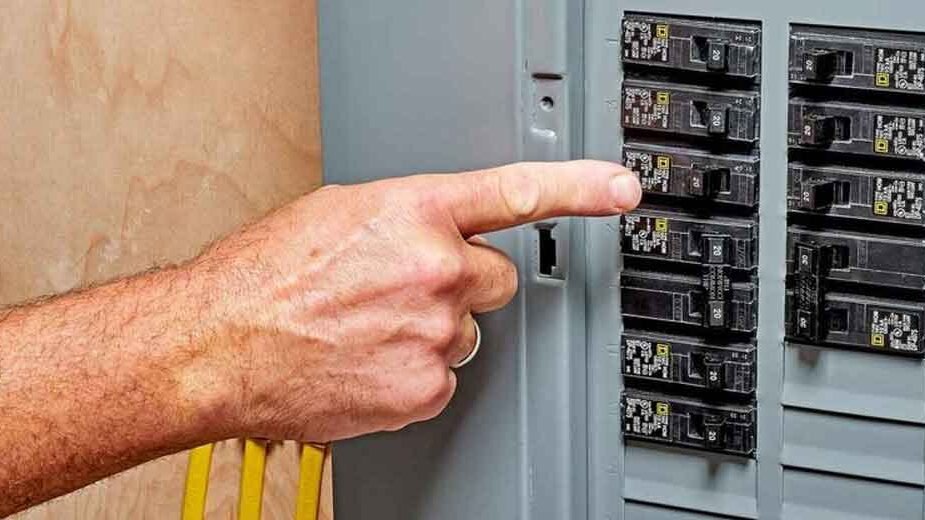
Modern homes rely heavily on electricity to power everything from appliances and lighting to entertainment and work-from-home setups. Yet many houses still use outdated fuse boxes installed decades ago. These older systems were sufficient for simpler electrical needs in the past, but they can struggle to keep up with today’s technology-heavy households. Operating with a fuse box that hasn’t been updated can pose safety risks, from frequent outages to potential fire hazards. We will explore why some homes continue to use these older systems, the limitations they pose, and clear indicators that it’s time to upgrade to a modern electrical panel to ensure safety and efficiency in the home.
Understanding the Limitations of Fuse Boxes and Signs You Need an Upgrade
- Aging Electrical Infrastructure
Many homes still rely on fuse boxes because they were installed decades ago during construction and have never been replaced. Older homes, especially those built before the 1970s, often feature fuse panels designed for much lower electrical loads than today’s households require. Back then, families relied on a few appliances and minimal electronic devices, so a basic fuse box was sufficient. As technology advanced and homes added multiple appliances, air conditioning units, computers, and entertainment systems, the electrical load increased significantly. Fuse boxes were not designed to handle this increased demand. Continuing to use them may lead to frequent blown fuses, flickering lights, or overloaded circuits. Many homeowners delay upgrading because the system still functions, even if it’s struggling under modern usage. Companies like Falcon Electric recommend timely panel upgrades to ensure safety and reliable electricity management in modern homes.
- Safety Risks of Outdated Panels
Fuse boxes can be hazardous when overloaded or damaged. Unlike modern circuit breakers, which can be reset after tripping, fuses must be replaced entirely each time they blow, increasing the chance of improper handling. Some homeowners may use substitutes like aluminum foil to temporarily restore power, which can create dangerous electrical sparks or even cause a fire. Moreover, old panels often have worn connections and corroded components, which increase the risk of electrical faults. Insurance companies may also view outdated panels as a risk factor, potentially affecting coverage or claims. The absence of safety features in modern panels, such as arc-fault and ground-fault protection, makes the home more vulnerable to electrical hazards. Recognizing these risks is a strong indicator that an upgrade is necessary.
- Increased Energy Demands
The rise in energy consumption has made fuse boxes increasingly inadequate. Modern households frequently run multiple high-wattage appliances simultaneously, such as ovens, heaters, refrigerators, and entertainment devices. Fuse boxes were originally designed for smaller loads and fewer circuits, which means they cannot efficiently manage today’s simultaneous demands. This often results in blown fuses that recur or sudden power outages, which can disrupt daily life and even damage sensitive electronics. An electrical panel upgrade ensures that the home can handle current and future energy requirements. In addition, modern panels offer more circuits, making it easier to add new appliances or technology without overloading the system. Homes that experience constant interruptions or require careful management of appliance usage are prime candidates for an upgrade.
- Signs That Indicate an Immediate Upgrade is Needed
There are several warning signs that a home’s electrical system requires attention. Frequent fuse blowouts, flickering or dimming lights, buzzing sounds from the panel, and overheating outlets are all indicators that the system is under strain. If a homeowner notices scorch marks or a burning smell near the fuse box, it is an urgent red flag that must be addressed immediately. Older panels may also lack the capacity to support essential safety features, leaving the home vulnerable to electrical hazards. Consulting a professional to assess the panel can provide clarity, but recognizing these symptoms early is critical to preventing damage, electrical shocks, or fire. Delaying an upgrade could result in higher repair costs and compromised safety over time.
- Benefits of Upgrading to a Modern Electrical Panel
Replacing an outdated fuse box with a modern electrical panel brings multiple advantages. Modern panels are designed to manage higher electrical loads efficiently and safely, reducing the likelihood of outages and power interruptions. They provide better protection for sensitive electronics, prevent overloading, and support additional circuits for future energy needs. New panels also include safety mechanisms like circuit breakers, arc-fault detection, and ground-fault protection, which significantly reduce the risk of fire or electric shock. Beyond safety, a modern panel can increase property value and peace of mind, as potential buyers often view upgraded electrical systems as a key feature. Overall, investing in an electrical panel upgrade is a proactive step toward a safer, more reliable home electrical system.
- Considerations When Planning an Upgrade
Upgrading an electrical panel requires careful planning to ensure compatibility with the home’s existing wiring and appliances. Homeowners should consider the current and projected energy demands, the number of circuits needed, and the panel’s location for convenient access. Older homes may require rewiring to support a new panel, especially if the current system is outdated or damaged. It’s also important to check local electrical codes and permits, as regulations vary by location. While the process may seem complex, the long-term benefits in safety, reliability, and energy efficiency make it a worthwhile investment. Preparing ahead can minimize disruptions and ensure a smooth transition from an outdated fuse box to a modern, efficient electrical panel.
Many homes still use outdated fuse boxes due to their original installation and the lack of apparent immediate issues. However, these older systems often cannot meet the energy demands of modern households and pose significant safety risks. Frequent outages, flickering lights, overheating outlets, and worn-out components are clear signs that it is time to upgrade to a modern electrical panel. By doing so, homeowners gain improved safety, reliability, and capacity to handle current and future energy needs.
Last modified: December 9, 2025