Why It Helps to Prepare Your Home for a New HVAC Installation
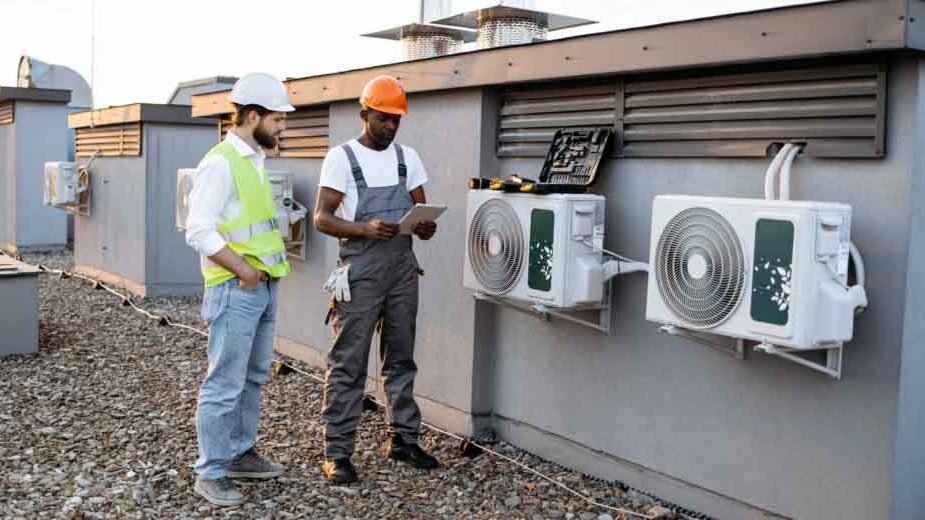
Preparing your home supports the installation of an HVAC system by facilitating a more efficient and precise project. According to Yourway Properties, preparation involves clearing access through front or back doors and removing your belongings from work areas. Here are a few reasons why it helps to prepare your home for a new HVAC installation:
Incorporate Enhanced System Performance
Home preparation allows for planning and specific site adjustments that help the new system perform correctly. These preparations may lead to better system performance in the following ways:
- Precision and alignment
- Correct sizing
- Optimal airflow
- Ductwork integrity
- Access for testing
Preparation involves a detailed approach to align the new equipment with your home’s unique layout and needs. Technicians evaluate square footage, airflow needs, and insulation levels before installation; this allows them to size each unit correctly. Accurate sizing helps prevent performance issues like inconsistent temperatures or short cycling. Clearing outdoor debris and trimming plants where the HVAC unit will go can enhance effective airflow in the condenser coils. Professionals assess the condition and layout of existing ductwork before installing a unit that handles the system’s output efficiently.
Improve Indoor Air Quality
Clearing the installation area of dust may prevent the particles from being stirred up and altering the new system. Preparing the site by clearing vents allows for unrestricted airflow, which helps filter out irritants like pollen. Proper site preparation supports the integration of humidifiers or dehumidifiers; these help maintain balanced moisture levels to avoid biological growth. Home preparation includes planning for the installation of additional air purification units if needed.
Homeowners can prioritize units with advanced filtration features. A clean installation area helps to prevent dirt buildup on new evaporator coils and blower parts. Maintaining and cleaning the system can prevent mechanical strain that leads to poor airflow and diminished air quality. When upgrading to a modern system, professionals remove older units and install new ones that are better for the indoor environment. Part of the preparation for installation may include the placement of carbon monoxide detectors; these alert occupants to hazardous leaks. Evaluating and custom-fabricating ductwork helps to eliminate leaks and prevent unfiltered air from entering.
Prevent Mechanical Issues
Preparing your home for a new HVAC installation helps prevent future component failures. Preparing a level surface and providing proper drainage for indoor units may prevent the equipment from shifting and water from pooling near the system. A stable system should protect refrigerant lines and electrical connections from mechanical stress. Technicians identify the locations of electrical panels and compare them with the power needs of the new system. Power compatibility may prevent electrical overloads or blown fuses that damage the control board. For new construction or home remodels, cover vents and registers to prevent dust from clogging the unit’s internal mechanical parts. Incorporating humidifiers or dehumidifiers can maintain moisture balance to protect the system from corrosion.
Create a Safe Installation
Site preparation creates a safer environment for system installation. Moving pets to safe areas and keeping children away from the work zone allows technicians to work without disruption. Clearing pathways of loose rugs and toys enables professionals to navigate the home safely while carrying large tools and components. Move fragile items and furniture away from hallways and entryways; this helps protect your belongings from damage during the transport of a new unit.
Providing clear access to electrical panels or breakers in advance allows technicians to safely manage the power sources. Preparation allows for the precise calibration of internal safety sensors that monitor the system’s performance. These systems may trigger a shutdown if they detect unsafe operating conditions. Properly lighting the pathways helps prevent injuries during the transport of tools.
Facilitate Faster Installation
Preparation facilitates a faster and more efficient timeline of system installation. Reviewing layouts and selecting system types before the installation day allows technicians to begin work without pausing for consultations. Reviewing utility maps beforehand helps identify the most efficient installation routes, bypassing the need for exploratory drilling; this is ideal for complex projects. Utilizing a specialized fabrication facility for ductwork preparation before the team arrives on-site reduces time spent on manual adjustments. Allocating a specific section for the experts to organize their equipment facilitates faster tool retrieval and a more organized workspace.
Explore HVAC Installation
Before installation, professionals can identify drafty windows or poorly insulated areas. They can use this information to fine-tune the thermostat settings and system calibration to account for the home’s specific thermal profile. Contact a reputable heating and air conditioning expert to learn more about their services.
Last modified: January 7, 2026