When Should You Repaint Instead of Repairing Interior Walls
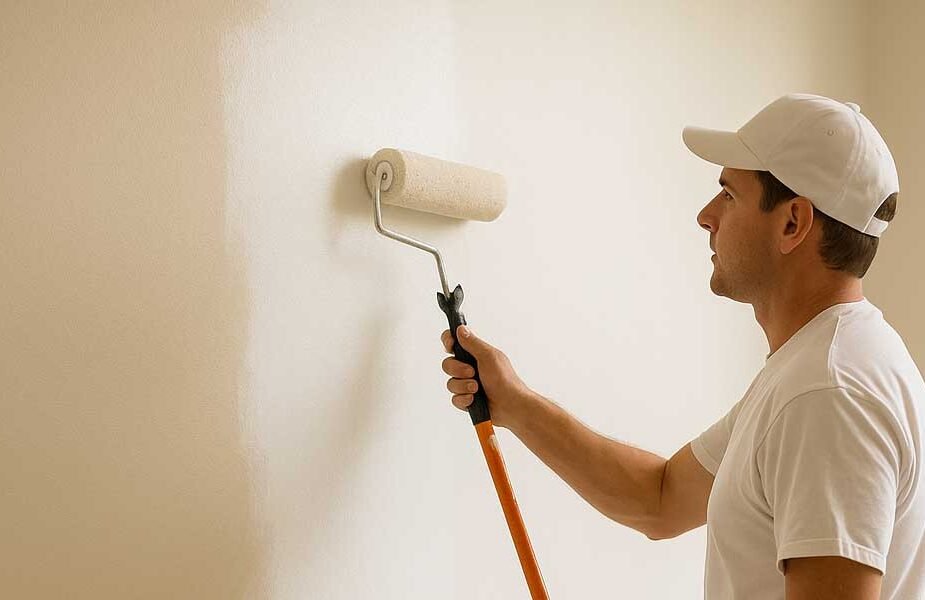
Homeowners are often uncertain whether to repaint or touch up an interior wall. Both options offer different benefits. The decision usually depends on the amount of damage, the level of appearance, and the amount of cost. By understanding these variables, one can achieve the best combination that provides the highest satisfaction at the lowest cost for the occupants’ space.
Evaluating the State of the Walls
Assessment of wall condition is performed before selecting to repaint or repair. Minor presentational defects, such as light scuffs and paint fading, do not require complex repairs. These can be painted, and they will look somewhat new and clean. But when there are major cracks, holes, or water stains, paint may not be able to address the underlying issue. Homeowners exploring house painters Wellington often discover how expert repainting can refresh interiors without costly structural fixes
Minor Flaws: Ideal for Repainting
Thorough cleaning and a fresh coat of paint often eliminate light scratches, small nail holes, and other minor imperfections. These issues do not compromise the wall’s structural integrity. A quick coat of paint recovers the room nicely and is a cheap fix. Things like sun-fading or light cosmetic blemishes and seasonal wear typically get a new paint job over more invasive restorative action.
Significant Damage Calls for Repair
Signs that repairs are needed, such as big cracks, bulging surfaces, and moist walls, are also indicators that there needs to be repair work before any painting. Neglecting these issues can lead to escalated conditions, increased costs, and even safety hazards. Dealing with major problems makes sure the wall is stable and reduces future issues post-painting. First, repairing provides a smoother, safer, and more durable finish.
Moisture and Mold Concerns
Water stains and mould patches indicate a moisture problem that paint cannot fix. Painting over the areas without addressing the underlying source will never improve this problem. If moisture seeps into your paint, it can cause peeling, bubbling, or discoloration that makes a room appear shabby. Before any painting project, you should seek and fix leaks or humidity to provide a stronger protective surface.
Timing and Frequency of Repainting
Interior walls need some refreshing every few years to avoid looking aged and unwelcoming. Generally, most spaces will need to be repainted every three to seven years, depending on daily use and exposure to the sun. If it’s a kitchen or any area where there are generally many people moving through, you may need to be a bit more regular. Periodic repainting helps stop small imperfections from turning into bigger problems that would otherwise threaten both the aesthetic presentation and durability.
Cost and Convenience
Comparatively, repaints are both cheaper and less disruptive than major repairs. If the damage is not too serious, paint is most of the time the preferred option, especially for those looking for a visual enhancement on the go. More major repairs also cost more, as they are the type of repairs that take longer and perhaps require more materials to replace damaged elements. Understanding the scope of the problem can give you a favourable indicator of whether painting is the best option for you.
Aesthetic Goals and Lifestyle Changes
Paint also gets a lift when the walls are not due for a repaint after decades, but there is a temptation to change colour schemes or styles. Paint colours can completely change the character of a room, updating the palette to something more aligned with now and/or a new way of living. For these reasons, repainting is a quick, inexpensive method to revitalise interiors that do not need repairing.
Professional Advice
For those unsure of their decision, consulting a professional brings peace of mind. Professionals can easily recognise underlying structural damages or moisture issues that you might overlook. They make sure repainting or repairing is done at the perfect moment to save your money and energy in the future.
Conclusion
It will really depend on the condition of the wall, the aesthetic of how you would like it to be, and what your goal is when deciding whether to repaint or repair it. Light blemishes and discolouration typically only require a new coat of paint, whereas graver problems necessitate adequate repairs. Through proper selection, homeowners can have gorgeous and long-lasting interiors that meet their aesthetic preferences as well as functionality requirements.
Last modified: February 18, 2026