What to Look for Before Buying an Electric Dirt Bike
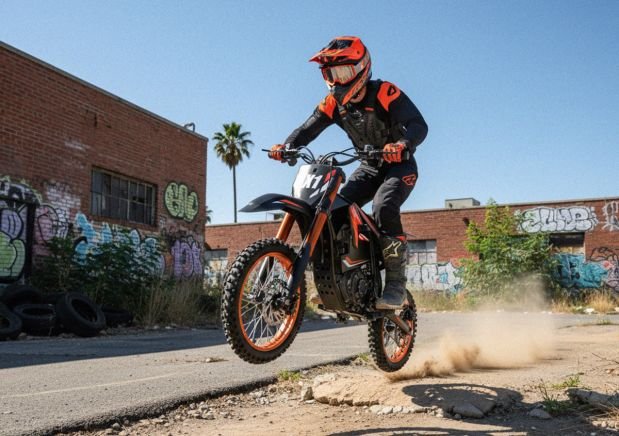
Buying an electric dirt bike can feel straightforward at first. Many models appear similar at a glance, and specifications such as speed or battery size often receive the most attention. However, riders usually discover that the most important differences are not always visible in a simple spec sheet. The way a bike fits everyday riding habits, terrain conditions, and personal comfort often determines whether it becomes enjoyable to ride or difficult to live with. Looking at a few practical aspects before buying can make the decision much clearer and help avoid choosing a bike that does not truly match the way it will be used.
What the Electric Dirt Bike Will Actually Be Used For
The first thing to consider is how the electric dirt bike will actually be used. When comparing different electric dirt bikes for sale, some riders plan to explore forest trails or uneven off road terrain, while others may ride on open dirt paths, fields, or light trail networks. The environment where the bike will spend most of its time influences what kind of design makes the most sense.
A bike intended for tight trails and technical terrain should feel responsive and easy to maneuver. Lighter bikes often work better in these conditions because they can change direction quickly and remain manageable when the rider needs to slow down or stop on uneven ground. In contrast, more open terrain or longer dirt paths may allow a slightly heavier and more powerful bike to feel stable and comfortable.
Thinking about real riding situations before buying helps narrow down the choices. Instead of focusing only on speed or appearance, it becomes easier to identify a bike that matches the riding environment.
Checking Whether the Bike Feels Easy to Control
Control is one of the most important qualities of an electric dirt bike, especially during the early stages of riding. Electric motors deliver torque immediately when the throttle is applied, which means acceleration can feel very responsive. A bike that provides smooth and predictable power delivery allows riders to develop confidence more quickly.
Weight distribution also affects control. Electric dirt bikes often weigh between about twenty five and sixty kilograms depending on battery size and frame design. A bike that feels balanced and manageable is usually easier to steer through turns, maintain stability on uneven terrain, and recover from small mistakes during riding.
Handlebar position, throttle response, and braking feel all contribute to how controllable the bike feels. Even small differences in these areas can influence how comfortable the bike becomes during real trail riding.
Looking at How Practical Charging Will Be
Charging is an important part of owning an electric dirt bike, and it deserves attention before making a purchase. Electric dirt bikes commonly use battery systems ranging from around forty eight volts to seventy two volts. These batteries generally provide riding distances between roughly forty and eighty kilometers depending on terrain and riding speed.
The charging routine should fit naturally into everyday habits. Some riders prefer charging the battery overnight after riding sessions, while others may ride only occasionally and charge less frequently. Charging time for most electric dirt bikes ranges between three and six hours with standard chargers.
Access to a reliable power outlet is also worth considering. If the bike will be stored in a garage or indoor space where charging is convenient, the process usually feels simple. When charging becomes inconvenient, riders may find themselves riding less often than expected.
Making Sure the Bike Can Handle the Terrain You Plan to Ride
Electric dirt bikes are designed for off road riding, but the way they handle different terrain can vary significantly. Suspension travel and tire design influence how smoothly the bike moves over rocks, roots, and uneven ground.
Many electric dirt bikes designed for trail riding provide suspension travel between roughly one hundred twenty and two hundred millimeters. This range helps absorb bumps and maintain traction on rough surfaces. Tires with deeper tread patterns also improve grip on loose soil or gravel trails.
Terrain compatibility becomes especially important for riders exploring natural trails rather than smooth dirt roads. A bike that can absorb impacts effectively allows the rider to remain comfortable and maintain control across changing terrain conditions.
How Comfortable the Bike Will Be Over Longer Rides
Comfort often becomes noticeable only after riding for longer periods. Seat design, riding posture, and overall ergonomics influence how tiring the bike feels after an hour or more on the trail.
Seat height is another important factor. Electric dirt bikes commonly have seat heights between about seven hundred and nine hundred millimeters. A height that allows riders to place a foot on the ground when stopping can make riding feel more secure, especially when navigating uneven trails.
Handlebar position and foot peg placement also contribute to riding comfort. A natural riding posture allows riders to shift body weight easily when turning or riding over obstacles, which improves both comfort and control.
What Maintenance Will Look Like Over Time
Maintenance requirements differ between electric and gasoline powered dirt bikes. Electric dirt bikes do not rely on fuel systems, engine oil, or spark plugs, which reduces the number of mechanical components that require regular service.
Routine care usually involves checking the chain, brakes, tire condition, and battery charging habits. Keeping these components in good condition helps maintain consistent performance during riding sessions.
Many modern electric dirt bikes are designed with simplified mechanical systems to reduce maintenance complexity. For example, some models developed by Qronge emphasize straightforward maintenance and stable riding performance so that riders can focus more on the riding experience rather than frequent mechanical adjustments.
Noticing the Small Details That Affect Everyday Riding
Beyond major specifications, small design details can influence the overall riding experience. Throttle sensitivity, brake responsiveness, and overall build quality can change how the bike behaves on real trails.
Frame design also plays a role in durability and control. A well built frame helps the bike remain stable when absorbing impacts from rough terrain. Strong construction also helps the bike handle repeated trail riding without developing unwanted vibrations or loosened components.
Lighting systems, battery indicators, and protective guards are smaller features that improve everyday usability. These details may seem minor at first but can become important during regular riding.
Choosing an Electric Dirt Bike That Fits the Way You Ride
Selecting the right electric dirt bike becomes easier when these practical factors are considered together. Instead of focusing only on top speed or a single specification, looking at how the bike will be used in real conditions provides a clearer direction.
When the riding environment, control characteristics, charging routine, terrain capability, comfort, and maintenance expectations all align, the electric dirt bike becomes a natural fit for the rider. This balanced approach helps ensure that the bike supports enjoyable and consistent riding rather than becoming difficult to manage over time.
Last modified: March 24, 2026