What If I’m Partly to Blame for a Car Accident?
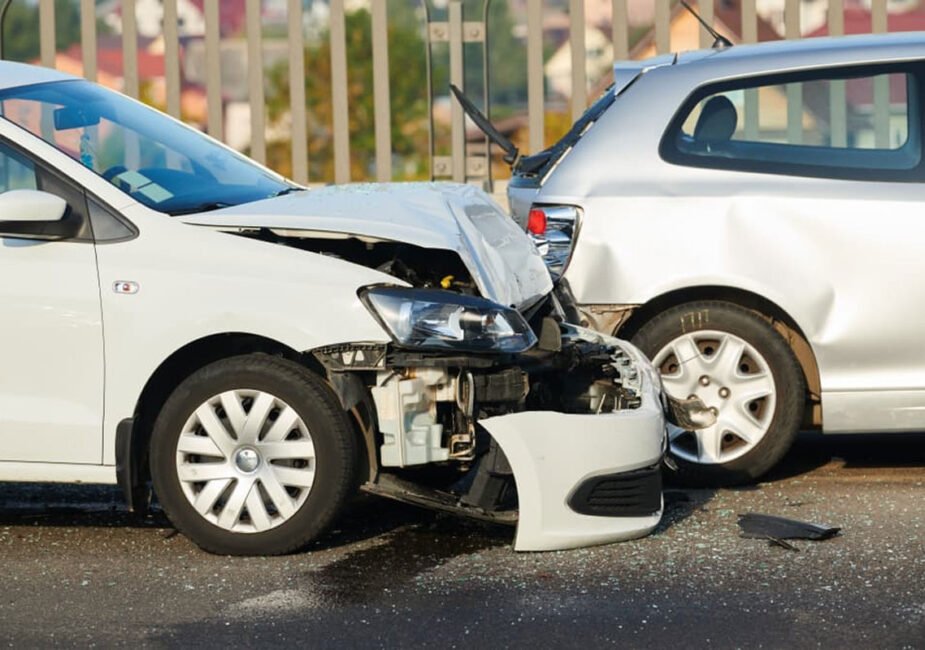
According to the latest statistics made public by the National Safety Council, the traffic fatalities for October 2025 were projected to be approximately 3,750. This figure shows that the deaths have reduced somewhat in comparison to the previous year.
According to New London car accident lawyer John A. Collins, III, a person who gets hurt in a car accident is entitled to be compensated by the insurance company. But if you’re partly at fault, there are many implications to account for. Your insurance may refuse coverage, or a court of law may find you completely responsible.
Following a car accident, an individual’s protection relies almost entirely on their knowledge of their rights and responsibilities. Let’s examine what the implications are of being partly at fault in a car accident.
Understanding Partial Fault in Car Accidents
When you hear about your car accident, first assess your responsibility. Car collisions are usually intricate events and many different aspects can contribute to them.
The assignment of shared blame in the situation has a direct effect on the way claims are handled and affects insurance payments and legal responsibilities, among other things. The amount of compensation for damages is based on the degree of one’s guilt.
Don’t think that you are the only one responsible for the accident. Obtain proof and testimonies from witnesses to gain an accurate assessment of liability in your case.
Understanding one’s rights and obligations is important for a person’s recovery. Proper assertion of one’s rights will help guarantee justice with respect to insurance companies and other legal entities.
Factors Influencing Liability Determination
Several things provide enormous momentum for fault determination following a car accident. A car accident can be classified as a personal injury case, especially if it revolves around acts of negligence. According to a personal injury lawyer, the involvement of intentional and illegal misconduct in a personal injury case could lead to more complex legal proceedings.
First, the police report heavily sets the basis of what happened and who was at fault lawfully. Testimony from witnesses can introduce new viewpoints surrounding the event. Actions like speeding or intoxicated driving may provide evidence for assigning responsibility.
Road conditions and vehicle maintenance both play a role in determining responsibility, as poor weather or an out-of-service vehicle may reduce your share of liability. Different liability laws, comparative negligence, and safety regulation violations determine the percentage of financial accountability. Knowledge of these factors can help you understand how liability in car accidents is determined.
The Role of Insurance Companies in Fault Assessment
Insurance companies also have a significant role when it comes to the assessment of liability. They investigate the incident, using police and witness statements and physical proof. Your insurer will also take both of the drivers’ oral statements into account.
The result of their investigation will determine the level of fault assigned to everyone. This assessment allocation results in adjustments to the judgment that determines claim payments and may also influence the future premium an insured individual pays. To the insurance company and legal advisers, it is very important to share information that is not only accurate but also complete since the fault rulings rely on the facts.
Legal Implications of Being Partially at Fault
Having liability for a car accident can have serious implications for your legal rights and financial liabilities. Your recovery will be strictly reduced if you are held partially responsible. In a jurisdiction that follows the principle of comparative negligence, if you are found to be 30% at fault for an accident, you will be entitled to claim only 70% of the complete damage amount. This result will affect whether or not you will be able to cover your medical fees, loss of property, and income loss.
Being partly at fault may raise your insurance premiums or prevent you from getting insurance. Legal rules regarding fault vary by state so it is wise to have an accurate understanding of the distinction of your state laws when compared to other state policies. The lawyer will guide you through the rights and duties you have in this type of situation.
Steps to Take After an Accident When You’re Partly to Blame
The very first thing that must be taken care of is the health of all the affected people. If you are in a situation where you require emergency help, do not hold back and call them. Get the names, contact numbers, and insurance details of everyone concerned. Take photos of the accident spot and jot down your opinion about the incident.
Avoid blaming yourself outright during the accident. You should timely inform your insurance provider and give an objective narration of the event. It is advisable to seek the help of a lawyer to understand your rights and responsibilities. Maintain all communication logs and lists of costs related to the accident. These documents can be used for any claim or legal proceedings
Gather all the evidence concerning the accident. Inform your insurance provider about the event, and think of seeking a lawyer’s advice on issues such as liability. Your knowledge of the rights you possess may help you handle negotiations regarding your compensation.
If you have the right information and are proactive, a car accident won’t be as hard, and your interests will be protected.
Last modified: January 19, 2026