Understanding the Process of Log Cabin Restoration
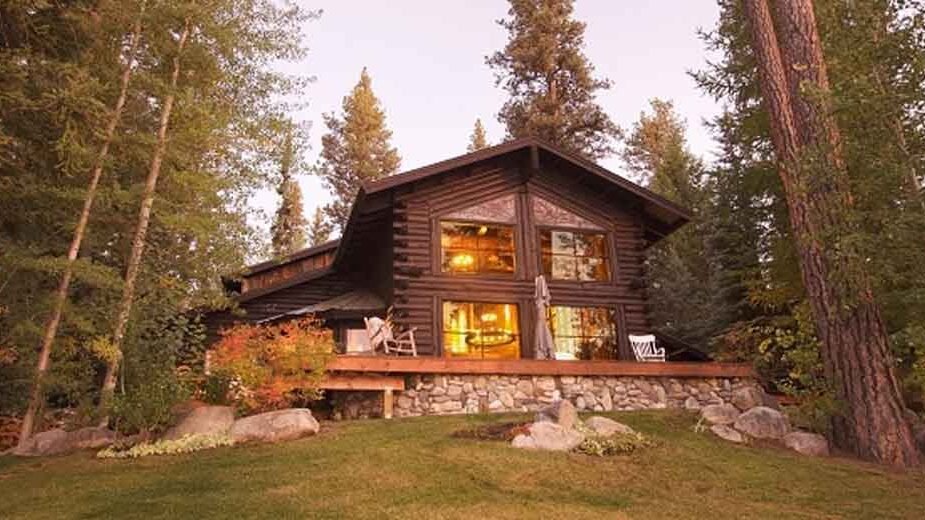
The restoration of log cabins involves removing old finishes and contaminants to preserve the structural and aesthetic integrity of homes, notes Whole Property Management. Professionals inspect the logs to find and replace rotted or damaged sections with healthy wood. Understanding the process of log cabin restoration involves the following:
Wood Evaluation
Professionals conduct an initial assessment to determine which areas of the structure need attention. They examine the wood to distinguish between areas that can be fixed quickly and those that require intensive structural changes. The team looks for specific indicators of deterioration, such as log rot, insect infestation, and cracks. Log rots may occur when moisture becomes trapped, and it creates an environment that supports biological growth. Water enters through unsealed areas, like around window and door frames. Exposure to weather causes wood to expand and contract naturally; this may result in surface cracks or loose logs.
During structural inspections, professionals examine bottom logs and vertical support posts to assess the stability of the cabin. The inspection identifies bowed walls or uneven logs that signal structural shifting. During evaluations, professionals may check for exterior factors that impact the structure; this includes soil grading and gutter functionality.
Structural Repairs
The structural repair stage involves addressing damage identified during the initial wood evaluation and includes:
- Removing wood rot
- Replacing logs
- Refacing logs
- Applying custom fittings
Structural repairs focus on restoring the integrity of the home by addressing logs damaged by rot, insects, or environmental exposure. When a log is too damaged for a simple fix, professionals remove and replace it with matching wood. With log refacing, they cut out rotted or soft sections of a log and replace them to restore strength.
Repair teams replace structural support posts that have been compromised; this helps to promote the stability of the cabin. To replace the crowns, professionals cut them back and install new wood to prevent further decay. They custom-cut new wood and fit it to the specific dimensions and contours of the surrounding logs. Repairs involve addressing the logs that moved out of alignment due to the home shifting over time.
Sealing and Chinking
Sealing and chinking can serve as the primary defense against environmental elements. Professionals apply a sealant to the joints between the logs, and it acts as an insulator and barrier against moisture. Since the chinking is elastic, it may accommodate the expansion and contraction of the wood. Experts use specialized caulking for smaller gaps around window and door frames; this creates a weather-tight seal.
Before applying sealants to wide gaps, they insert foam backing materials known as grip strips. These provide a surface for the chinking to adhere to and bond to the top and bottom logs. Sealing the openings helps prevent air drafts and maintain internal temperatures; this contributes to energy efficiency. By filling cracks and gaps, the process prevents water from pooling inside the logs.
Log Cleaning
During log cabin restoration, cleaning focuses on preserving the wood’s condition and appearance. Experts clear away environmental buildup, like pollen and dust that accumulate on the log surfaces over time. The process includes removing biological growth that may lead to wood decay if left untreated. Professionals may use soft brushes to avoid damaging wood fibers during the process. They use log-safe cleaners to protect the integrity of the wood and existing sealants. Regular cleaning helps prevent the accumulation of debris that traps moisture against the logs. Professionals perform routine inspections to check for new signs of soft logs or discoloration; this allows them to address issues before extensive repairs are required.
Insect Treatments
Insect treatments are utilized to protect the logs from wood-destroying organisms. Experts use a specialized borate-based product to treat the logs, and this helps prevent wood-boring pests from penetrating the wood. The process involves identifying holes or tunnels left by insects and sealing them to prevent future entry. When insects ingest the treated wood, the borate may disrupt their ability to digest it and kill them. For active infestations, the process starts with applying treatment dust into holes to clear the pests. Professionals then seal the holes with caulk to prevent re-entry.
Explore Log Cabin Restoration
Thermal imaging technology helps identify hidden gaps where air is infiltrating or escaping for effective sealing. By assessing gutters and drainage systems, professionals help divert water away from the logs to prevent future deterioration. Contact a reputable home restoration and repair company to learn more about their services.
Last modified: January 7, 2026