Understanding the Causes of Residential Water Damage
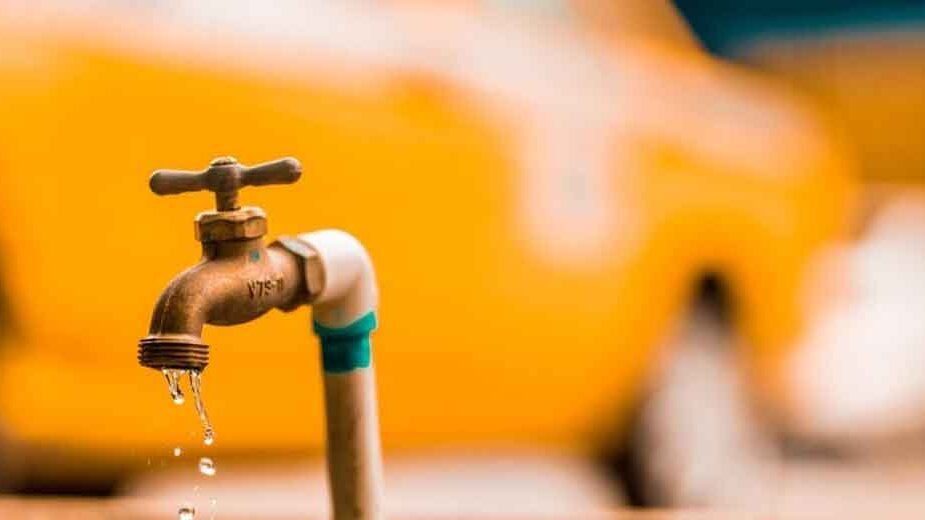
Residential water damage is one of the most common and disruptive problems homeowners face, notes American Dream Realty And Management team. It can occur suddenly through a burst pipe or gradually through unnoticed leaks that worsen over time. Regardless of how it begins, water damage affects a home’s structure, finishes, and indoor environment, often leading to costly repairs and prolonged disruption. Understanding the causes of residential water damage is essential for prevention and early response. Many homeowners focus on visible damage without realizing how often water issues start of sight, behind walls, beneath flooring, or within ceilings. By identifying the source and spread of water damage, homeowners can make informed decisions to protect their property and reduce long-term damage.
Common Sources of Household Water Damage
- Plumbing System Failures and Hidden Leaks
Plumbing-related issues are one of the leading causes of residential water damage. Pipes run throughout a home, often concealed behind walls or under floors, making leaks difficult to detect early. Over time, corrosion, joint wear, pressure changes, or poor installation can lead to slow leaks that saturate surrounding materials. These leaks may go unnoticed until stains appear, flooring warps, or odors develop. In colder climates, frozen pipes are another major risk, as expanding ice can cause pipes to crack or burst once temperatures rise. Homes that require water restoration for Vancouver homes often experience damage linked to aging plumbing systems, combined with damp conditions that allow moisture to spread rapidly. Plumbing failures are especially damaging because they can continue releasing water until the issue is discovered and addressed.
- Appliance Malfunctions and Internal Water Sources
Household appliances that use water are another frequent source of residential water damage. Washing machines, dishwashers, refrigerators, and water heaters all rely on hoses, valves, and internal seals that can deteriorate over time. A small hose failure can release a significant amount of water in a short period, particularly when appliances operate unattended. Water heaters are also a concern, as internal tank corrosion or pressure issues can lead to leaks or sudden failure. Because appliances are often located near walls or cabinetry, water can spread into surrounding structures before it is noticed. Appliance-related water damage typically occurs in kitchens, laundry rooms, and utility areas, where moisture can quickly compromise flooring and cabinetry.
- Weather Exposure and Exterior Water Intrusion
Weather-related factors play a major role in residential water damage, especially in regions with heavy rainfall or snow. Roof damage, missing shingles, or deteriorated flashing can allow water to enter the home during storms. Poor drainage around the foundation may cause water to pool near the structure, increasing the risk of seepage into basements or crawl spaces. Wind-driven rain can exploit small gaps in siding, windows, or doors, leading to moisture intrusion that accumulates over time. Seasonal changes also contribute, as melting snow or ice dams can force water under roofing materials. Exterior water intrusion is particularly challenging because it often occurs intermittently, making the source difficult to pinpoint.
- Drainage Issues and Foundation Moisture
Improper drainage is another significant contributor to residential water damage. When gutters are clogged or downspouts direct water toward the foundation, moisture accumulates near the base of the home. Over time, this pressure allows water to penetrate foundation walls or seep through cracks. Poor grading around the property can exacerbate the issue by preventing water from draining naturally. Basements and lower levels are particularly vulnerable, as water intrusion may not be immediately visible. Persistent foundation moisture can lead to deterioration of building materials and create a damp indoor environment that affects air quality and comfort.
- Structural Gaps and Building Envelope Weaknesses
The building envelope, which includes walls, roofs, windows, and doors, is designed to keep water out. When this barrier is compromised, water damage becomes more likely. Aging sealants, worn caulking, and shifting materials can create small openings that allow moisture to enter. Over time, repeated exposure enlarges these gaps and increases water intrusion. Structural weaknesses often develop gradually and may not be obvious during routine home use. Water entering through these areas can travel along framing and surfaces, causing damage far from the original entry point. Maintaining the integrity of the building envelope is essential for preventing ongoing moisture problems.
- Human Factors and Delayed Response
Human factors also contribute to residential water damage. Delayed maintenance, overlooked warning signs, and slow response to leaks allow water problems to escalate. Homeowners may ignore minor drips, staining, or musty odors, assuming they are harmless. In reality, these signs often indicate underlying moisture issues that worsen over time. In some cases, improper repairs or temporary fixes fail to address the root cause, allowing damage to continue unseen. Awareness and timely action play a critical role in limiting water damage and reducing repair scope.
Residential water damage results from a combination of plumbing issues, appliance failures, weather exposure, drainage problems, structural weaknesses, and human oversight. While some incidents occur suddenly, many develop slowly and remain hidden until significant damage has occurred. Understanding these causes helps homeowners recognize risks and take preventive measures before problems escalate. Early detection, routine maintenance, and attention to warning signs are essential for protecting a home from water-related damage. By knowing where water damage begins and how it spreads, homeowners can respond more effectively and preserve the integrity, comfort, and value of their living spaces.
Last modified: January 7, 2026