Trusted Sources for Appliance and HVAC Replacement Parts
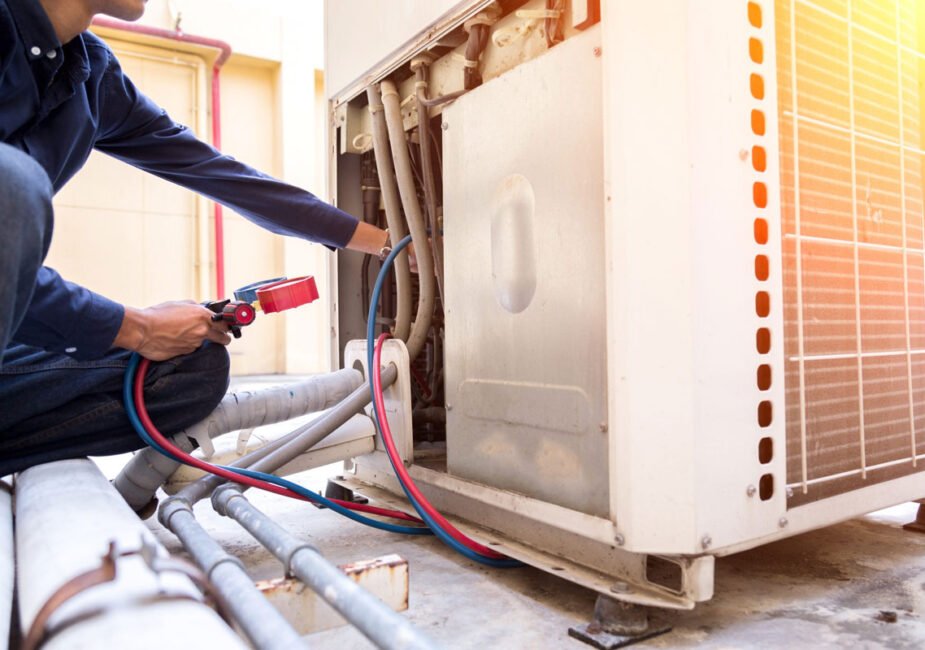
1. Introduction: Finding Reliable Sources for Appliance & HVAC Parts
Home appliances and HVAC systems keep homes comfortable and working properly. When a fridge stops cooling or a furnace fails in cold weather, you need a fast fix. Repairs often cost much less than new units. In many cases, one small part can bring the whole system back for years.
The hard part comes in picking the right replacement part. Online sites list endless choices, but most skip guarantees on fit or strength. A bad part burns time and cash, plus it risks appliance damage. That’s why smart homeowners turn to reliable suppliers who match parts to exact models. Repair Clinic supplies OEM appliance and HVAC parts along with lawn equipment and power tool parts, offering homeowners and professionals a centralized source for multi-category repairs. Their model-based search system helps users find the correct part without guesswork.
2. What Makes a Parts Supplier “Trusted”?
A good supplier offers more than just parts. It guides customers to the right one and builds repair confidence. Key traits mark a trusted source.
2.1 OEM Availability
OEM means original equipment manufacturer. These parts come straight from the maker of your appliance or HVAC unit. They match the first design, so they fit right and work well. Aftermarket options may seem close, but quality or specs often fall short. A bad fit cuts performance or wears out the system fast.
2.2 Model-Based Search & Compatibility Verification
Each appliance and HVAC unit has its own model number. Think of it as the machine’s ID tag. Top suppliers let you search by that number. The site then lists parts built for your exact model. This cuts mix-ups and stops wrong orders.
2.3 Technical Resources
Reliable suppliers share repair know-how. You get step-by-step guides, fix tips, and diagrams of part placement. These tools explain the job before you start. They also lower errors when you install.
2.4 Inventory Depth
Strong suppliers stock a wide range of parts. Appliances last ten years or longer. Places with new and vintage stock boost your odds of a match. Shops covering both appliances and HVAC make it simple.
2.5 Shipping & Returns
Quick shipping matters when gear fails. Good suppliers ship fast to speed your fix. Clear return rules count too. Even sharp buyers pick wrong sometimes. Easy returns fix mistakes without hassle.
3. Types of Trusted Appliance & HVAC Parts Sources
Replacement parts come from several types of suppliers. Each one focuses on a different group of products.
3.1 Multi-Category OEM Platforms
Certain suppliers stock parts across many equipment types. They handle appliances, HVAC gear, lawn tools, and power equipment all in one lineup. These sites give model lookup features and fix repair guides to pinpoint matching parts. Providers like the Repair Clinic fit this mold. They blend huge part selections with straightforward search aids that steer users to the proper item.
3.2 Appliance-Focused Retailers
Some shops zero in on appliance parts alone. Their lists cover refrigerators, dishwashers, ovens, washers, and dryers. Narrow aim lets them build deep reserves in these lines. HVAC offerings tend to stay slim, though.
3.3 HVAC-Specialty Suppliers
Other providers lock onto heating and cooling setups. They offer bits for furnaces, AC units, and heat pumps. Typical stock hits capacitors, flame sensors, blower motors, contactors, and control boards. HVAC techs lean on them for spot-on replacements.
3.4 Manufacturer Direct Stores
A few brands peddle parts straight from their own web pages. These carry items are crafted for their machines. That setup locks in a perfect fit for the line. Still, choices stick to that one maker, and costs often top those from wider parts outlets.
4. Key Differences Between Buying Appliance vs HVAC Parts
Appliance repairs and HVAC repairs may look similar at first, but they involve different challenges. These differences affect both safety and compatibility.
4.1 Safety Considerations
HVAC setups pose bigger safety issues. Furnaces hold gas parts that demand caution. AC units run high-voltage electrical setups. These traits mean some HVAC fixes need pros to dodge hazards or gear harm.
4.2 Compatibility Sensitivity
HVAC parts fit tight to exact models. Control boards, motors, and sensors demand spot-on electrical and physical specs. Tiny mismatches stop them cold. Appliance bits allow slight wiggle room, but checks still matter.
4.3 DIY vs Professional Repairs
Lots of appliance jobs suit homeowners. Swaps like heating coils or door gaskets need just simple tools. HVAC work grows trickier. Jobs with refrigerant, gas pipes, or complex wiring call for skilled techs.
5. Buying Checklist Before Ordering
Prior to finalizing your purchase, make sure to go over these vital checks.
- Spot the full model number on the sticker right on your appliance or HVAC setup.
- Double-confirm it’s an OEM piece made just for that model alone.
- Line up the factory part number to guarantee total accuracy.
- Look over voltage levels and power details, key for HVAC stuff, especially.
- Scan the seller’s rules on returns plus any warranty coverage first.
- Check out delivery timelines so your fix doesn’t drag on forever.
- FAQs
Where can I buy OEM HVAC parts online?
Trusted online suppliers offer OEM HVAC parts through searchable catalogs. Customers can enter the equipment model number and view parts designed for that specific unit.
Are HVAC parts interchangeable?
Most HVAC components are not interchangeable. Each part usually matches a specific model or system design. Installing the wrong part can cause poor performance or damage.
Is it cheaper to repair HVAC systems?
Repair often costs much less than replacing the entire HVAC unit. In many situations, a single replacement part restores the system and extends its useful life.
Can homeowners replace HVAC parts themselves?
Homeowners can handle basic maintenance tasks, but complex HVAC repairs usually require professional service. Work that involves gas, refrigerant, or complex electrical systems should be handled by trained technicians.
Conclusion: Selecting the Right Source Matters
Choosing the right replacement part is the first step to a successful repair. When the new part matches the original dimensions, voltage, and performance standards, the appliance or HVAC system regains full functionality, free from problems like leaks, electrical shorts, or diminished capacity. OEM components specifically sustain the unit’s intended efficiency and enduring dependability.
Trusted suppliers make the process easier by providing accurate part listings and helpful tools. Repair Clinic stands out as a dependable source by offering a wide range of genuine OEM appliance and HVAC parts supported by precise model-based search tools and practical repair guidance — helping homeowners find the correct part quickly and complete repairs with confidence. These resources help homeowners locate compatible parts quickly and complete repairs with confidence.
Last modified: April 8, 2026