Tips for Selecting Flexible Furniture for Modern Living
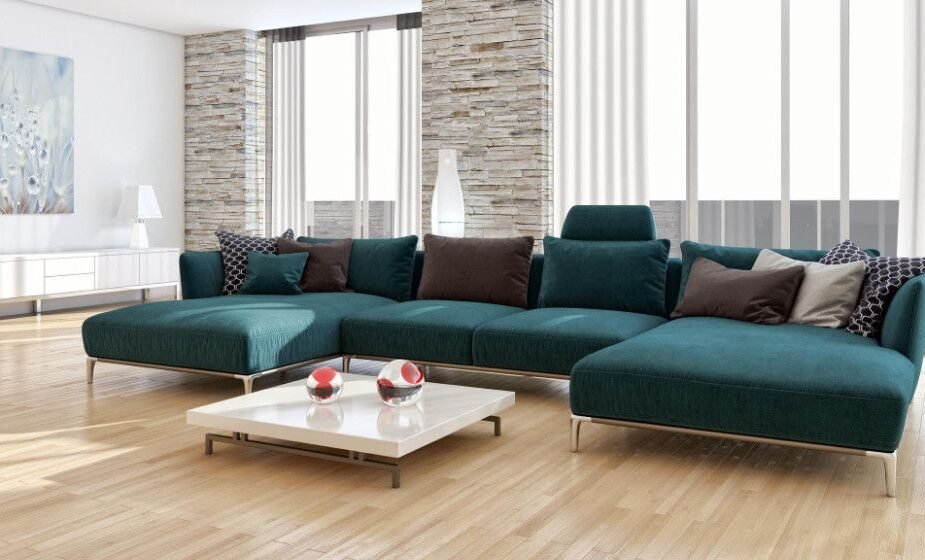
Modern living demands adaptability. Homes are no longer just places to sleep and relax. They are offices, entertainment zones, study areas and social hubs. As modern living continues to change, furniture needs to adapt accordingly. Choosing flexible furniture is one of the smartest ways to create a home that feels spacious, functional and stylish without constant redesign.
Flexible furniture allows rooms to serve multiple purposes without compromising comfort or aesthetics. Whether living in a compact apartment or a larger family home, investing in versatile pieces, such as Modular lounges, ensures better use of space and long-term value.
How to Choose Flexible Furniture for Modern Living
Choose Modular Designs
Modular furniture is a cornerstone of flexible living. Sectional sofas, stackable stools and configurable shelving units allow layouts to change with minimal effort. These pieces can be rearranged as family needs shift or when refreshing the interior style.
Modular lounges provide excellent flexibility. Individual sections can be repositioned to create an L shape, a U shape, or separated into standalone seating. This approach offers freedom to redesign without purchasing new items.
Shelving systems that allow adjustable heights or removable compartments also enhance functionality. They adapt to books, decor, office supplies or storage baskets as required.
Prioritise Multi-Functional Pieces
Multi-functional furniture is essential in modern interiors. Each item should ideally serve more than one purpose.
Consider ottomans with hidden storage, nested coffee tables or king bed frames with built-in drawers. These solutions reduce clutter while maintaining a clean aesthetic. A sofa bed transforms a living area into a comfortable guest space within minutes. Folding desks can be tucked away when not in use, freeing up valuable floor space.
The key is to maximise utility without overcrowding the room. Thoughtfully selected multi-purpose furniture creates a balance between practicality and style.
Focus on Scale and Proportion
Flexible furniture must complement the size of the room. Oversized pieces can dominate a compact space and limit rearrangement options. On the other hand, furniture that is too small may look disconnected in larger rooms.
Measure carefully before purchasing. Leave enough room for movement and future reconfiguration. Slim profiles and raised legs can make a room feel more open, while lightweight designs are easier to reposition. Selecting furniture with appropriate scale ensures that flexibility remains achievable rather than restricted.
Opt for Lightweight and Moveable Materials
Furniture that is easy to move supports evolving layouts. While durability is important, excessively heavy materials may reduce adaptability.
Look for sturdy yet manageable options such as solid timber, quality frames or durable composites. Chairs and side tables that can be relocated effortlessly allow spaces to transition from work mode to relaxation mode quickly.
Mobility encourages experimentation. Rearranging furniture occasionally can refresh the look of a room without additional expense.
Select Neutral Foundations
Modern interiors often change with trends and personal tastes. Flexible furniture should provide a timeless foundation that works with various decor styles. Neutral tones offer versatility. These colours allow accessories, cushions and artwork to introduce personality without requiring major furniture replacements. Selecting timeless colours also helps maintain long-term value, ensuring each piece remains relevant and functional for years to come.
Final Thoughts
Selecting flexible furniture for modern living is about thoughtful decision-making rather than impulse buying. By prioritising modularity, multifunctionality and quality craftsmanship, it becomes possible to create interiors that evolve effortlessly.
Flexible furniture supports changing lifestyles, maximises space efficiency and enhances comfort. It allows homes to adapt without constant renovation or excessive expense. With careful planning and attention to scale, materials and long-term needs, every room can become a versatile environment suited to contemporary life.
Frequently Asked Questions
Why is flexible furniture important for modern homes?
Modern homes often serve multiple purposes within limited space. Flexible furniture allows rooms to transition between work, relaxation and entertainment with ease. It supports efficient use of space and reduces the need for constant redesign.
How can small spaces benefit from flexible furniture?
Small spaces benefit significantly from multi-functional and modular pieces. Furniture that folds, expands or includes storage helps minimise clutter.
Is flexible furniture suitable for large homes?
Flexible furniture is not limited to compact spaces. Larger homes also benefit from adaptable layouts that support entertaining, remote work or changing family needs. Modular designs allow spacious rooms to be reconfigured easily.
What materials are best for flexible furniture?
Durable yet lightweight materials are ideal. Solid timber, quality metal frames and strong composite materials offer a balance between strength and mobility.
How does modular furniture improve flexibility?
Modular furniture allows individual sections to be rearranged to suit changing needs. This adaptability makes it easier to refresh a room layout without purchasing entirely new pieces.
Last modified: March 10, 2026