The Role of Packaging, Stability, and Supply Chain Control in Skincare Manufacturing
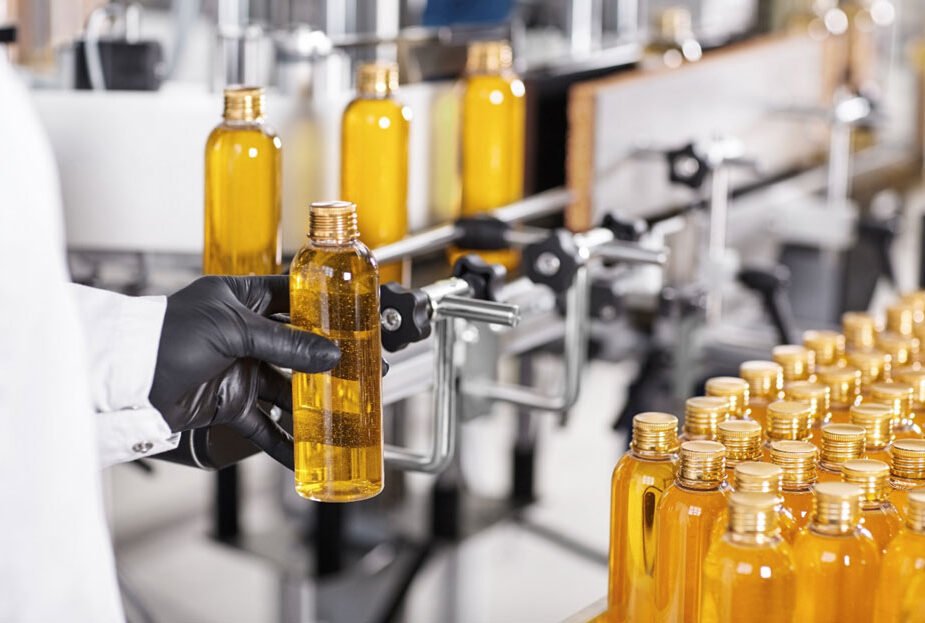
When people think about skincare products, they usually focus on ingredients and visible results. However, there is a critical part of skincare manufacturing that often goes unnoticed—packaging, stability, and supply chain control. These behind-the-scenes factors play a major role in ensuring that skincare products remain safe, effective, and reliable from production to the customer’s hands.
In the modern beauty industry, brands are expected to deliver consistent quality while managing logistics, shelf life, and presentation. This article explores how packaging choices, product stability, and controlled supply chains influence skincare quality and why professional manufacturing support is essential.
Why Packaging Is More Than Just Visual Appeal
Packaging does more than make a product look attractive on a shelf. In skincare, packaging directly affects product performance and safety. Poor packaging choices can lead to contamination, ingredient degradation, or reduced effectiveness over time.
Effective skincare packaging helps:
- Protect formulas from air and light
- Prevent bacterial contamination
- Preserve active ingredients
- Improve user experience
- Extend product shelf life
For example, airless pumps are often used for formulas containing sensitive active ingredients, while opaque containers protect products from UV exposure. These decisions require technical understanding, not just design preference.
How Packaging Impacts Product Stability
Product stability refers to how well a skincare formula maintains its quality, texture, and effectiveness over time. Even the best formula can fail if it reacts negatively with its packaging.
Stability issues may include:
- Separation of ingredients
- Changes in color or texture
- Loss of active ingredient potency
- Unpleasant odor development
Professional manufacturers test formulas with different packaging materials to ensure compatibility. This step helps brands avoid customer complaints and product recalls.
Understanding Stability Testing in Skincare
Stability testing is a crucial part of skincare manufacturing. It simulates real-world conditions to determine how a product performs over time.
Stability testing typically evaluates:
- Temperature resistance
- Light exposure effects
- Packaging interaction
- Shelf-life duration
These tests help manufacturers predict how products will behave during storage, shipping, and everyday use. Without proper stability testing, brands risk launching products that degrade before reaching customers.
The Importance of Supply Chain Control
The skincare supply chain involves multiple steps, including raw material sourcing, manufacturing, packaging, storage, and distribution. Weak control at any stage can affect final product quality.
Strong supply chain control ensures:
- Consistent raw material quality
- Reliable production timelines
- Reduced risk of contamination
- Efficient inventory management
- On-time product delivery
Brands that rely on professional manufacturing partners benefit from structured supply chains designed to reduce risk and improve efficiency.
Raw Material Sourcing and Traceability
Raw materials are the foundation of any skincare product. Variations in ingredient quality can lead to inconsistent results, even when formulas remain the same.
Professional manufacturers prioritize:
- Verified ingredient suppliers
- Batch traceability
- Quality inspection upon arrival
- Proper storage conditions
This level of traceability allows manufacturers to identify and resolve issues quickly, protecting both the brand and the end consumer.
Packaging Design Meets Functional Safety
While branding and aesthetics matter, packaging must always support product safety. Modern skincare packaging balances visual appeal with technical performance.
Key packaging considerations include:
- Material compatibility
- Ease of use
- Product protection
- Sustainability options
Manufacturers often guide brands toward packaging solutions that align with both branding goals and product requirements.
OEM/ODM Manufacturing and Supply Chain Efficiency
OEM and ODM manufacturing models help brands streamline their supply chains by integrating formulation, production, and packaging under one system.
Working with a reliable OEM/ODM skincare manufacturing partner allows brands to:
- Reduce coordination complexity
- Improve production consistency
- Shorten lead times
- Maintain quality standards
This integrated approach simplifies operations and supports scalability as demand grows.
Storage and Transportation: Hidden Risk Factors
Even after production and packaging, skincare products remain vulnerable during storage and transportation. Temperature fluctuations, humidity, and handling conditions can all affect product quality.
Professional manufacturing partners manage these risks by:
- Maintaining controlled storage environments
- Using protective transportation methods
- Monitoring environmental conditions
- Ensuring proper labeling and handling
These measures help ensure products arrive in the same condition they left the factory.
Sustainability in Packaging and Logistics
Sustainability has become a key concern for skincare brands and consumers alike. Packaging and logistics play a major role in reducing environmental impact.
Sustainable practices may include:
- Recyclable or refillable packaging
- Reduced packaging materials
- Energy-efficient storage systems
- Optimized transportation routes
Brands that adopt responsible packaging and logistics practices often strengthen their reputation and appeal to eco-conscious consumers.
How Professional Manufacturers Support Brand Consistency
Consistency across product batches, packaging, and delivery builds trust with consumers. Professional manufacturers provide systems that support this consistency at every stage.
Companies like Zicail are often valued by brands for offering structured production, packaging coordination, and supply chain oversight that help maintain product reliability.
Why Packaging and Supply Chain Strategy Affect Brand Reputation
A skincare brand’s reputation depends on more than just how a product works. Delayed shipments, damaged packaging, or inconsistent quality can quickly affect customer perception.
Strong packaging and supply chain strategies help brands:
- Deliver products on time
- Maintain consistent quality
- Reduce customer complaints
- Support long-term growth
These behind-the-scenes elements play a critical role in brand success, even though consumers may not always notice them directly.
The Value of End-to-End Manufacturing Support
Brands that partner with experienced manufacturers benefit from end-to-end support—from formulation and packaging selection to logistics planning.
Working with professionals such as Zicail skincare helps brands simplify complex processes while maintaining control over quality, stability, and presentation.
Conclusion
Packaging, stability, and supply chain control are essential pillars of successful skincare manufacturing. While ingredients and formulations often take the spotlight, these behind-the-scenes factors ensure that products remain safe, effective, and reliable throughout their lifecycle.
As the skincare industry continues to grow and evolve, brands that invest in professional manufacturing support will be better positioned to manage risk, meet consumer expectations, and build lasting trust. By focusing on both visible and invisible aspects of production, skincare brands can create products that truly stand the test of time.
Last modified: December 24, 2025