The Planning That Goes into Safe Vehicle Transport
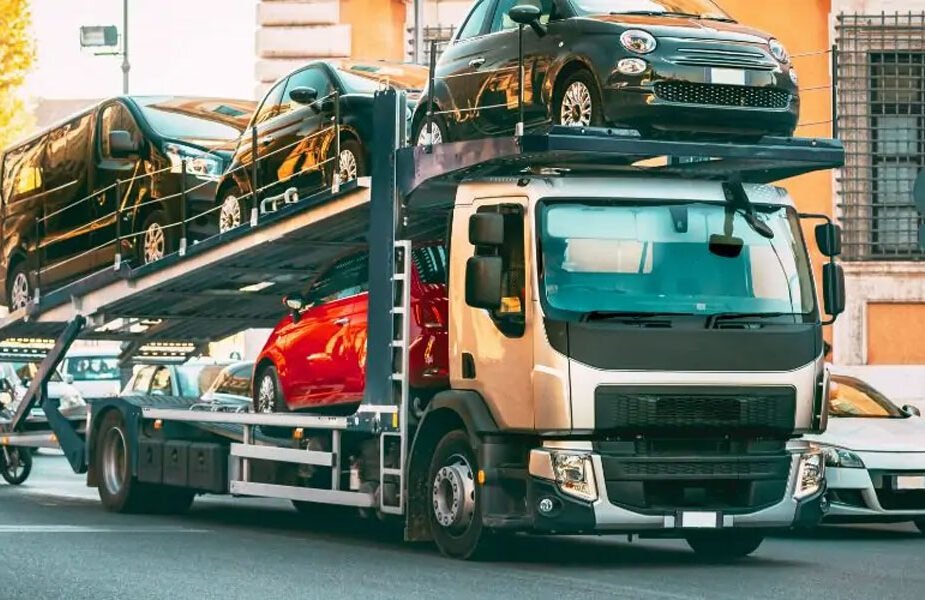
Transporting a vehicle, whether it’s a classic car, an everyday sedan or even a motorcycle, takes more than just loading it onto a truck and sending it down the road. Behind every safe vehicle transport job is a thoughtful plan that anticipates risks, protects the asset and keeps both transporter and owner confident throughout the process. In this post, we’ll walk through the elements that make vehicle transport successful and secure from start to finish.
Understanding the Type of Vehicle
Before any transport begins, it’s essential to identify the characteristics of the vehicle. Size, weight, condition and whether the vehicle runs can all affect how it’s transported. For example, an all wheel drive SUV may require different handling than a low slung sports car. Vehicles that don’t run under their own power also need extra equipment and manpower to load and secure them properly. This foundational understanding ensures the right transport equipment is chosen and that the driver is prepared for the job ahead.
Choosing the Right Transport Method
Not all transports are the same, so choosing the right method matters. There are generally two main options: open transport and enclosed transport.
- Open transportis the most common and cost effective choice. Vehicles are loaded onto a multi car carrier that travels on public highways. This is ideal for everyday vehicles and short to mid range distances.
- Enclosed transportprovides added protection from the elements and road debris, making it a popular choice for luxury vehicles, antiques or cars with sentimental value.
Factors like distance, the weather and road conditions also influence planning. Long cross country routes may require stops for fuel and driver rest, while regional moves might be completed in a single day.
Preparing the Vehicle for Shipment
Proper preparation reduces the risk of damage during transit. It’s more than just ensuring the fuel tank is partly filled and the tyres are properly inflated (though those things are important). Before loading, the transport team will:
- Conduct a thorough inspection of the vehicle’s exterior and interior
- Photograph any existing dents, scratches or irregularities
- Remove loose items from inside the vehicle
- Ensure the battery is secure and that fluids are at appropriate levels
This inspection protects both the transporter and the vehicle owner, creating a baseline record of the vehicle’s condition before it leaves.
Choosing the Right Transport Partner
Selecting a reliable transport partner is critical. A reputable provider will have the proper licensing and insurance and will communicate clearly throughout the process. For specialised shipments, such as interstate motorcycle transport, services like Tennessee vehicle transportation connect owners with professionals experienced in handling bikes securely and efficiently.
Good transport partners also provide tracking so that owners can follow the status of their vehicle in real time. Transparency in scheduling and cost helps prevent surprises and builds trust.
The Bottom Line
Safe vehicle transport doesn’t happen by accident. It’s the result of careful planning, clear communication and attention to detail at every stage. From evaluating the vehicle and choosing the right transport method to preparing the vehicle and selecting a dependable partner, thoughtful planning ensures your vehicle arrives at its destination exactly as expected. Whether it’s a one time move or part of regular logistics operations, prioritising safety and preparation makes all the difference in vehicle transport success.
Last modified: February 25, 2026