The Owner’s Role in European Vehicle Longevity: Why Routine Maintenance Matters
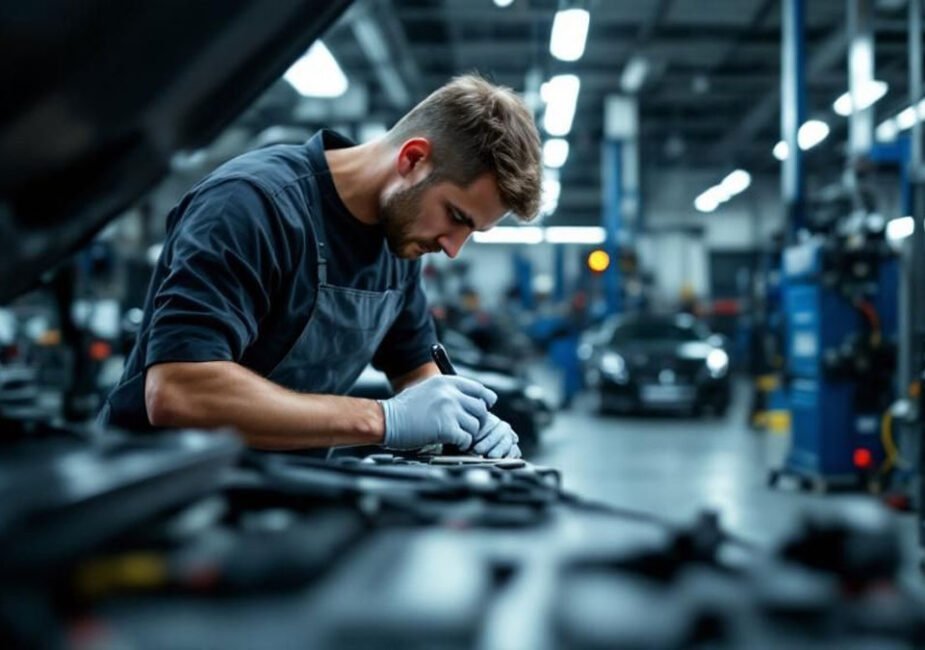
European automobiles have earned their reputation for engineering excellence through decades of innovation, precision manufacturing, and attention to performance. Brands like BMW, Mercedes-Benz, Audi, Volkswagen, and Porsche deliver driving experiences that blend power with refinement. Yet this sophisticated engineering comes with an important caveat that every owner must understand: these vehicles demand consistent, thoughtful maintenance to deliver the longevity their engineering promises.
The relationship between an owner and their European vehicle is fundamentally different from the casual approach many drivers take with transportation. These machines reward attentive stewardship and punish neglect with cascading failures that transform minor oversights into major mechanical events. Understanding this dynamic represents the first step toward responsible ownership.
The Philosophy Behind Preventive Care
European automotive engineers design their vehicles as integrated systems where components work in careful harmony. The engine, transmission, suspension, and electrical systems communicate constantly, each depending on the others to function within precise parameters. When one element falls outside its intended operating condition, stress transfers to connected systems in ways that compound over time.
Consider the cooling system as an illustration. German and Swedish engineers typically design cooling systems to operate within narrow temperature windows that optimize both performance and emissions compliance. The coolant itself contains additives that protect gaskets, seals, and metal surfaces from corrosion and electrolysis. When owners extend coolant replacement intervals beyond manufacturer recommendations, these protective additives degrade. The fluid loses its ability to prevent internal corrosion, leading to contamination that eventually compromises water pump bearings, thermostat operation, and radiator integrity.
What began as a skipped maintenance interval costing perhaps one hundred dollars eventually manifests as overheating episodes, head gasket failure, or warped cylinder heads requiring thousands in restoration. The original neglect created conditions for failure that developed invisibly over months or years before revealing themselves catastrophically.
Taking Ownership of Your Maintenance Schedule
Responsible European vehicle ownership begins with understanding what your specific model requires and when it requires attention. Manufacturer maintenance schedules exist for reasons rooted in engineering data, not arbitrary corporate policy. Engineers calculate service intervals based on expected component wear rates, fluid degradation curves, and safety margins designed to prevent failures before they occur.
Owners should obtain and study the maintenance schedule for their specific vehicle, noting not just oil change intervals but also timing belt or chain service requirements, transmission fluid specifications, brake fluid replacement cycles, and spark plug lifespans. Creating a personal maintenance calendar that tracks both mileage and time intervals ensures nothing falls through the cracks during busy periods when vehicles might see irregular use.
Many European vehicle owners find value in locating service providers who specialize in their particular brand. Searching for specialists, such as a killeen volkswagen service center for Volkswagen owners in central Texas, helps ensure technicians understand the specific requirements and common issues affecting each model line. This brand-specific knowledge proves valuable because European manufacturers often employ unique engineering solutions that differ significantly from domestic vehicle conventions.
Financial Planning for Vehicle Care
Sophisticated automobiles require owners to think about maintenance as an ongoing investment rather than an inconvenient expense. Setting aside monthly funds specifically designated for vehicle care eliminates the financial stress that sometimes leads owners to postpone necessary services. Even modest contributions accumulate meaningfully when maintained consistently.
This forward-thinking approach also enables owners to address emerging issues before they escalate. Strange noises, subtle vibrations, warning indicators, and changes in handling all represent communication from your vehicle about developing concerns. Owners with maintenance reserves can investigate these signals promptly rather than hoping problems resolve themselves or waiting until more convenient moments that never arrive.
European vehicles also benefit from using manufacturer-specified fluids and components. While aftermarket alternatives sometimes offer cost savings, many European systems are calibrated for specific viscosities, additive packages, and material compositions. Transmission fluid formulations, for instance, vary significantly between manufacturers, and using incorrect specifications can accelerate wear in sensitive components designed around particular fluid characteristics.
The Compound Benefits of Consistency
Owners who maintain their European vehicles according to schedule discover benefits that extend beyond preventing breakdowns. Consistent care preserves resale value in markets where buyers scrutinize service records carefully. Insurance considerations sometimes reflect maintenance history. Perhaps most importantly, properly maintained vehicles deliver the driving experience their engineers intended throughout their operational lives.
The connection between owner attentiveness and vehicle performance becomes evident over extended ownership periods. Two identical vehicles purchased simultaneously will diverge dramatically in condition and capability based solely on how their owners approach maintenance responsibilities. One remains responsive, reliable, and pleasurable to drive after a decade, while the other accumulates mechanical debt that eventually renders it uneconomical to restore.
European vehicle ownership represents a commitment that extends beyond the purchase transaction. These automobiles offer exceptional capability and refinement to owners who honor the maintenance requirements built into their design. Understanding this relationship, planning accordingly, and executing consistently transforms sophisticated machinery into lasting transportation that rewards careful stewardship mile after mile.
The choice facing every European vehicle owner remains simple in concept even when challenging in execution: invest modestly and regularly in preventive maintenance, or pay substantially and unexpectedly for repairs that proper care would have avoided. Those who embrace the responsibility find their vehicles return the favor through years of distinguished service.
Last modified: January 20, 2026