The Most Dangerous Roads for Collisions in Los Angeles: What Drivers Need to Know
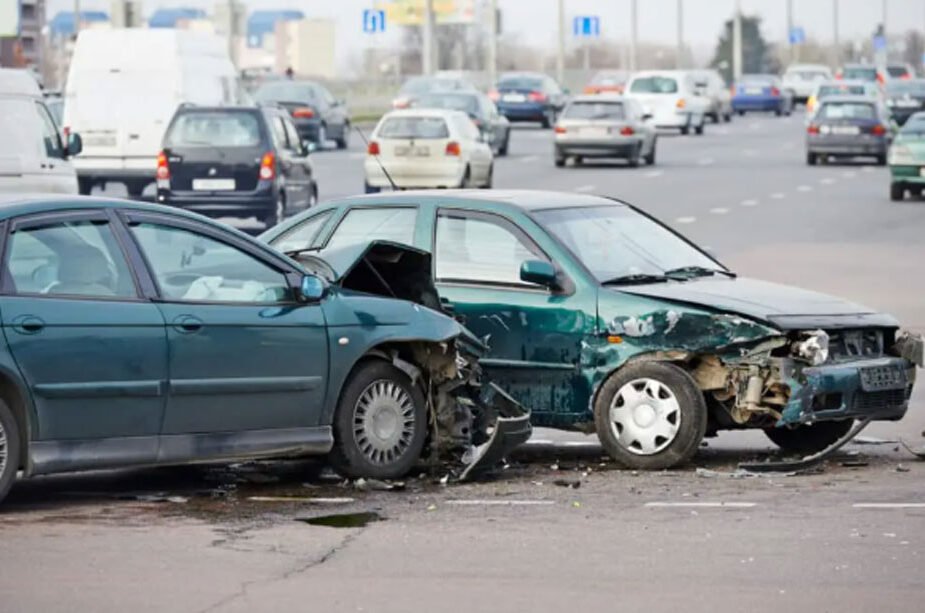
The Most Dangerous Roads for Collisions in Los Angeles are not always the ones drivers expect. With constant traffic congestion, aggressive driving behaviors, and a complex mix of highways and surface streets, Los Angeles consistently ranks among the most collision-prone cities in the U.S. Understanding where and why accidents happen can help drivers stay safer – and know when to seek professional auto body repair after an incident.
Why Los Angeles Has Such a High Collision Rate
Los Angeles combines several risk factors that increase accident frequency:
- Heavy daily traffic volume
- Long commute times leading to driver fatigue
- Distracted driving in stop-and-go traffic
- Speeding on wide arterial roads
- Complex highway interchanges
These factors contribute to both minor fender benders and serious collisions that often require professional collision repair services.
The Most Dangerous Roads for Collisions in Los Angeles
1. Interstate 405 (I-405)
The I-405 is notorious for congestion and sudden stops. Rear-end collisions are extremely common, especially during rush hours. Lane changes, speeding between slowdowns, and distracted driving all increase accident risk on this freeway.
Common collision types:
- Rear-end accidents
- Multi-vehicle pileups
- Side-swipe collisions
2. Interstate 5 (I-5)
As one of the busiest freight and commuter routes, I-5 sees a high volume of both passenger vehicles and large trucks. Speed differentials and merging traffic near downtown Los Angeles make this freeway particularly hazardous.
3. US-101 (Hollywood Freeway)
Sharp curves, frequent exits, and heavy tourist traffic make the 101 a hotspot for crashes. Drivers unfamiliar with the area often brake suddenly or miss exits, increasing collision risks.
4. Sunset Boulevard
Sunset Boulevard is a prime example of how surface streets can be just as dangerous as freeways. Pedestrian traffic, cyclists, nightlife activity, and frequent intersections all contribute to accident rates—especially at night.
5. Wilshire Boulevard
Stretching across multiple neighborhoods, Wilshire Boulevard experiences constant congestion. Left-turn collisions and intersection crashes are common, often resulting in significant vehicle damage that requires frame repair or paint restoration.
Common Causes of Accidents on LA Roads
While road design plays a role, driver behavior remains the leading cause of collisions:
- Distracted driving (phones, navigation apps)
- Speeding or aggressive lane changes
- Failure to yield at intersections
- Driving under fatigue or stress
- Poor visibility during nighttime or rain
Even a low-speed crash can cause hidden structural damage, making professional inspection critical.
What to Do After a Collision in Los Angeles
If you’re involved in an accident on one of Los Angeles’ high-risk roads:
- Ensure everyone’s safety and move to a secure location
- Document vehicle damage with photos
- Exchange insurance information
- Seek a professional collision repair assessment
Modern vehicles often sustain damage beneath the surface that isn’t immediately visible. Certified auto body shops use advanced diagnostics to restore vehicles to manufacturer standards.
How Professional Auto Body Repair Protects Your Vehicle’s Value
Quality collision repair goes beyond cosmetic fixes. A trusted auto body shop can:
- Restore structural integrity
- Ensure proper alignment and safety systems
- Match factory paint finishes
- Prevent long-term issues like rust or uneven wear
Prompt, professional repairs also help maintain resale value and ensure your vehicle remains safe to drive on LA’s challenging roads.
Staying Safe on Los Angeles Roads
While accidents aren’t always avoidable, drivers can reduce risk by:
- Allowing extra stopping distance
- Avoiding distractions in heavy traffic
- Staying alert near intersections and merges
- Driving defensively on known high-risk roads
Awareness of the most dangerous roads for collisions in Los Angeles is a key step toward safer driving and faster recovery when accidents happen.
Last modified: December 23, 2025