The Engineering Considerations Behind Choosing the Right Conveyor System
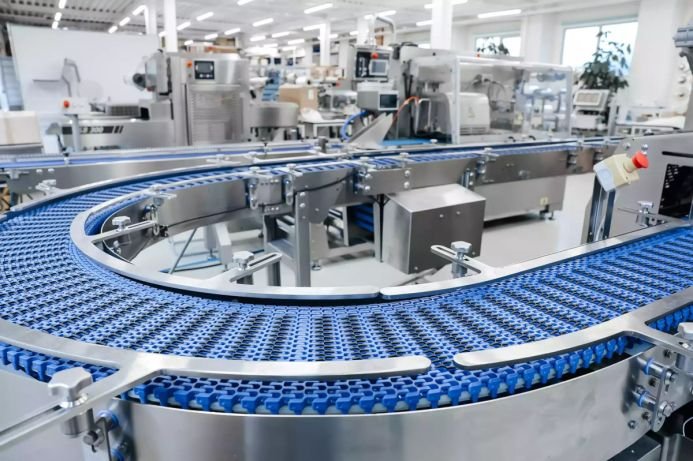
Selecting a conveyor system is much more than just transporting from Point A to Point B; every setup is defined by the engineering decisions that combine to create a balance of efficiency, safety, and, of course, lasting performance. Things such as load type, speed, arrangement, and operating environment all contribute to system performance.
Ignoring these nuances can cause bottlenecks or unwanted wear in the long run. To design a reliable, functional system, you must understand the engineering behind it.
Material Characteristics and Handling
This information leads to an assumption that all conveyor systems must accommodate the specific materials they handle. Engineers analyse factors like size, weight, shape, and abrasiveness. Spillage from fine powders requires covered belts or enclosed tubes, while bulky loads demand a heavy frame with the belt reinforced.
Other materials that are sticky or wet may require surfaces that make it easy to clean or special coatings. Knowing these features helps engineers recommend the right conveyor design. A belt conveyor must be selected with the material type in mind so it can operate safely and efficiently.
Required Throughput and Speed
A conveyor’s operational efficiency is proportional to the amount of material it can transport in a specific time frame. Engineers will be able to assist in determining the required throughput based on the production goals. A less complex system may be sufficient for low-output filling operations, but a quicker or wider conveyor would be ideal for facilities with high-output filling.
To avoid delays caused by bottlenecks, it is necessary to adjust the speed of equipment both upstream and downstream. Establish a steady flow by planning the conveyor’s speed in relation to the entire process.
System Layout and Space Constraints
One of the most important things in the selection of a conveyor is the layout of the facility. Engineers consider the floor space, ceiling height, and other objects. In tighter areas, more compact or adjustable systems, such as modular or vertical conveyors, may be necessary. With meticulous conveyor belt planning, more complicated routes involving numerous turns or changes in elevation may require tailored support or transfer points.
Power and Energy Efficiency
Energy usage not only influences operational expenses but also environmental impact. Engineers seek to forecast power demand to operate a conveyor at normal and full capacity. That goes far beyond the design of the vehicle itself, as efficient motors, variable speed drives, and low-friction components all contribute to reduced energy consumption. Choosing the proper drive system (electric, pneumatic, or hydraulic) will depend on load size, duty cycles, and facility infrastructure.
Safety Features and Compliance
Providing a safe conveyor system design continues to be a priority for the manufacturer. Engineers implement elements like emergency stops, guards, and safety sensors. Such features mitigate accidental contact and respond quickly to a jam or threat. Must comply with local safety regulations and industry standards. Regular safety audits and training programmes ensure a safe work environment and prevent accidents.
Maintenance Accessibility and Downtime Reduction
A reliable conveying system demands consistent inspection and maintenance. If any of these parts malfunction, the engineer has made it easy for the services to gain access to these moving components, belts, and motors. Maintenance is easier with quick-release parts, modular sections, and identifiable service locations. Examples of predictive maintenance technology include monitoring wear and notifying operators that they need to intervene before they break down. Downtime will always hinder industrial output.
Scalability and Future Expansion
Business expansion or changes in product lines may also impact the need for conveyors. Engineers have a system in mind, and you can scale it by asking how to expand, reconfigure, or upgrade it to hold more, process faster, or achieve similar improvements. Future modifications become easier with modular conveyors, eliminating the need for significant structural changes.
Integration with Automation and Controls
You sometimes have automated processes and smart controls in modern facilities. Conveyor systems are able to talk to sensors, programmable logic controllers, and other automation tools due to engineers. This integration enables real-time monitoring, data gathering, and centralised modifications. Compatible systems enhance synchronisation, minimise mistakes, and enable emerging manufacturing techniques.
Price and Life Cycle Value
The initial purchase price is just one aspect of the investment. Engineers consider long-term operating and maintenance expenses, potential downtime, and energy use. Something that might cost a little more but may save you so much money in the long run through strength or less maintenance. Seizing total lifecycle value enables organisations to make better cost-influencing decisions that yield enduring and meaningful outcomes.
Conclusion
While the selection of the proper conveyor system requires an intensive engineering evaluation of the needs of the material handling process, at the core of this evaluation is the proper balance between these four forces (safety, efficiency, and scalability). Material type, throughput, layout, energy use, safety, maintenance, and integration all determine how effective a conveyor will be in your operation.
Last modified: April 6, 2026