Precision Cleaning Through Car Dry Ice Services
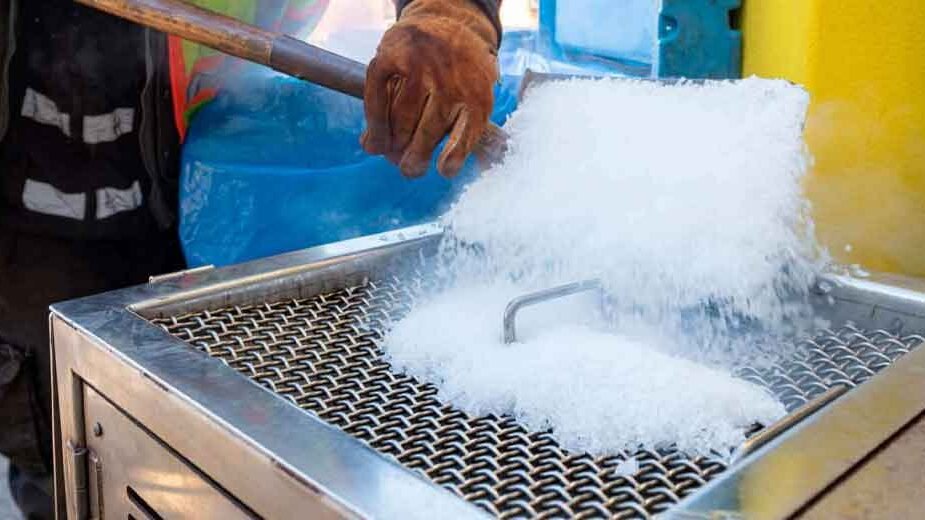
Car dry ice services have emerged as a modern approach to vehicle cleaning, offering an alternative to traditional methods that rely heavily on water and chemicals. This process uses solid carbon dioxide pellets to lift dirt, grease, and buildup from vehicle surfaces without abrasion. As vehicles become more complex, with sensitive components and detailed undercarriages, cleaning methods must adapt. Dry ice techniques respond to this need by providing a controlled, residue-free process that supports both performance and preservation. For vehicle owners focused on longevity, appearance, and care, this method represents a thoughtful evolution in automotive maintenance.
Understanding the Dry Ice Process
- How Dry Ice Cleaning Works in Automotive Care
Dry ice cleaning relies on the unique properties of frozen carbon dioxide to remove contaminants effectively. When pellets strike a surface, they rapidly sublimate, transitioning from solid to gas without becoming liquid. This rapid change creates micro-expansions that loosen dirt and debris from surfaces. Because no moisture remains, sensitive components such as wiring, seals, and electronics are less exposed to risk. In automotive applications, this method is particularly effective for undercarriages, engine bays, and hard-to-reach areas where grime accumulates over time. Many vehicle owners seeking Miami dry ice services appreciate how this process restores cleanliness while respecting the integrity of complex vehicle systems.
- Environmental Considerations and Responsible Cleaning
One notable aspect of car dry ice services is their environmental profile. Since dry ice sublimates completely, there is no secondary waste such as wastewater or chemical residue to manage. This aligns with growing interest in responsible maintenance practices. Traditional cleaning methods often require runoff control and disposal measures, while dry ice cleaning minimizes environmental impact. The process supports cleaner workspaces and reduces reliance on harsh solvents. As awareness of sustainable practices increases, automotive care solutions that limit waste and resource use become more appealing. Dry ice cleaning reflects this shift by combining efficiency with environmental awareness.
- Applications Beyond Surface Appearance
Car dry ice services extend beyond cosmetic cleaning to address functional areas of a vehicle. Accumulated debris can interfere with mechanical performance, trap moisture, and accelerate wear. Dry ice cleaning removes buildup without disassembling components, allowing for efficient maintenance. This approach is useful for restoring vehicles, maintaining fleet cars, or preparing automobiles for inspection or storage. By reaching areas often overlooked, dry ice techniques support overall vehicle health. This deeper level of cleaning helps preserve materials and contributes to smoother operation, making it a practical option for those focused on long-term vehicle care.
- Safety and Material Preservation
Preserving vehicle materials is a key consideration in any cleaning method. Dry ice cleaning is non-abrasive, reducing the risk of scratching, corrosion, or surface degradation. Unlike aggressive chemical treatments, it does not introduce substances that could react with metals, plastics, or rubber. This makes it suitable for both older vehicles and modern designs featuring mixed materials. Safety is also enhanced by avoiding excessive moisture and reducing slip hazards in work areas. By prioritizing material preservation, car dry ice services support careful maintenance without compromising structural or aesthetic integrity.
- Efficiency and Time Management
Time efficiency is another advantage of car dry ice services. Because the process requires no drying time, vehicles can be returned to service quickly after cleaning. This is especially beneficial for businesses managing multiple vehicles or individuals with limited downtime. Dry ice cleaning can be targeted to specific areas, allowing technicians to focus on problem zones without unnecessary effort. This precision supports consistent results while optimizing labor. Efficient cleaning processes reduce disruption and help vehicle owners maintain regular schedules without sacrificing thoroughness or quality.
- Training and Process Control
Effective dry ice cleaning requires proper handling and process control. Technicians must understand pellet selection, pressure settings, and application techniques to achieve consistent outcomes. While the equipment itself is advanced, results depend on careful execution. Controlled application ensures that contaminants are removed while surfaces remain protected. This emphasis on process highlights the importance of structured training and adherence to safety protocols. When executed correctly, dry ice cleaning delivers reliable results that align with vehicle care standards and owner expectations.
- A Short Perspective on Modern Automotive Care
Car dry ice services reflect a broader trend toward precision-based automotive maintenance that balances performance, preservation, and responsibility. By reducing reliance on water and chemicals, this method aligns with evolving expectations around efficiency and care. Vehicle owners increasingly value solutions that support long-term use without unnecessary impact. Dry ice cleaning fits within this mindset, offering a focused approach that respects both the vehicle and the environment while delivering measurable results.
- A Thoughtful Direction for Vehicle Maintenance
Car dry ice services represent a thoughtful advancement in automotive cleaning, addressing modern challenges with precision and care. By leveraging the unique properties of dry ice, this method effectively removes contaminants while preserving sensitive components. Environmental awareness, efficiency, and material protection contribute to its growing appeal among vehicle owners and maintenance professionals. As automotive design continues to evolve, maintenance approaches must keep pace. Dry ice cleaning offers a solution that aligns with these changes, supporting cleaner vehicles, responsible practices, and long-term preservation. Through careful application and process control, this approach reinforces the value of innovation in everyday vehicle care.
Last modified: December 29, 2025