Pool Design Ideas for Distinctive Outdoor Living
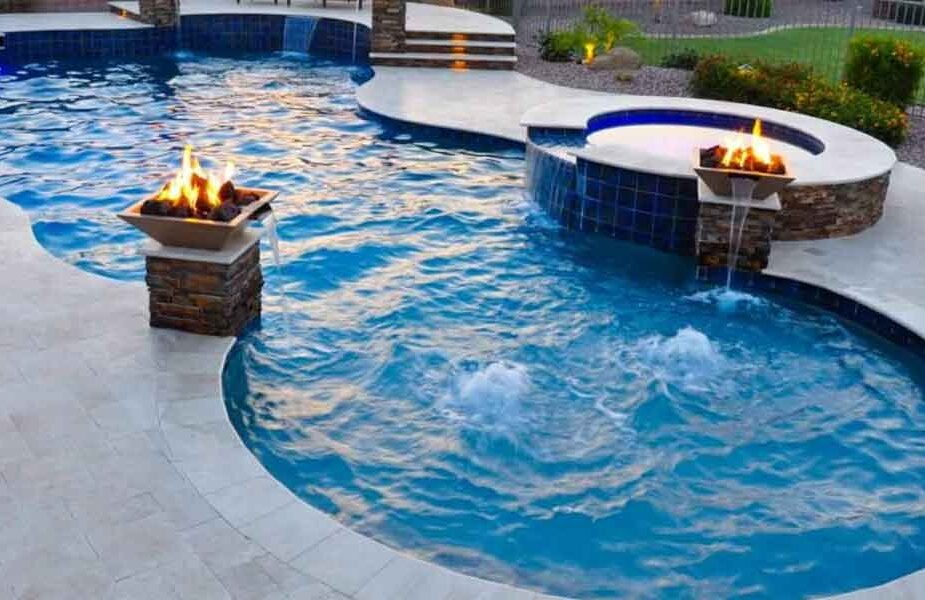
A thoughtfully designed swimming pool can redefine how an outdoor space feels and functions. Beyond cooling off on hot days, a pool becomes a focal point for relaxation, movement, and visual balance within the landscape. Modern homeowners increasingly look for designs that reflect their lifestyle, whether that means sleek geometry, a vacation-inspired escape, or a compact solution for limited space. Each pool style brings its own atmosphere and practical considerations, influencing materials, layout, and surrounding features. Understanding how different pool concepts work helps homeowners make confident decisions that align with architecture, climate, and long-term use. With the right approach, a pool design can feel intentional, timeless, and deeply connected to the home itself.
Styles, layouts, and practical inspiration
1. Modern Pool Design with Clean Geometry
Modern pool design focuses on clarity, balance, and strong visual lines that complement contemporary architecture. These pools often rely on simple shapes such as rectangles or elongated forms, allowing the water surface to act as a reflective plane rather than a decorative element. Materials play a major role, with concrete, smooth tile finishes, and muted color palettes creating a calm and cohesive look. Surrounding decks are usually kept uncluttered, emphasizing open space and seamless transitions between indoor and outdoor areas. Lighting is integrated subtly, enhancing the pool’s edges and depth without overpowering the design. Water features, if included, tend to be understated, such as narrow scuppers or linear overflow edges. This approach prioritizes visual harmony and functionality, making the pool feel like a natural extension of the home rather than a separate addition.
2. Resort-Style Pools for Relaxed Ambiance
Resort-style pools are designed to evoke the feeling of a getaway without leaving home. These designs often feature organic curves, layered depths, and surrounding elements that encourage lounging and social interaction. The goal is to create an atmosphere that feels inviting and unhurried, where the pool blends with landscaping, seating areas, and shaded retreats. Natural stone finishes, textured surfaces, and warm tones contribute to a relaxed aesthetic. Shallow ledges, wide steps, and integrated seating areas allow the pool to be enjoyed in multiple ways throughout the day. In many regions, homeowners draw inspiration from established design trends, and companies like Southern California Pools often shape how resort-style concepts adapt to local climates and outdoor living preferences. The result is a pool environment that supports leisure while remaining visually connected to its surroundings.
3. Lap Pools for Fitness and Simplicity
Lap pools are designed with purpose, focusing on movement, rhythm, and efficient use of space. Their long, narrow form makes them ideal for swimming exercise while fitting comfortably into linear yards or alongside modern homes. The design emphasizes straight lines and consistent depth, allowing swimmers to maintain a steady pace without interruption. Surrounding areas are typically minimal, with clean decking and limited landscaping to reduce distractions. This simplicity does not mean the pool lacks visual appeal; rather, it creates a sense of order and calm that complements an active lifestyle. Lap pools can also serve dual purposes, acting as a striking visual element when not in use. By aligning the pool’s orientation with the home or garden, homeowners can achieve both functional and aesthetic value without excess ornamentation.
4. Plunge Pools for Compact Spaces
Plunge pools offer a practical solution for smaller properties while still delivering the benefits of a dedicated water feature. These pools are compact by design, focusing on cooling, relaxation, and visual impact rather than extensive swimming space. Their smaller footprint allows for creative placement, such as tucked into courtyards or framed by walls and greenery. Design details become especially important, as finishes, lighting, and surrounding textures define the overall experience. Many plunge pools incorporate seating ledges or benches, encouraging quiet moments rather than active use. Despite their size, these pools can feel substantial when paired with thoughtful landscaping and architectural elements. They demonstrate that limited space does not require sacrificing style or comfort, only a more intentional design approach.
5. Integrating Pools with Outdoor Living Areas
A well-designed pool rarely stands alone; it interacts with patios, gardens, and social spaces around it. Integration begins with understanding how people move through the outdoor area and where activities naturally occur. Pathways, seating zones, and shade structures can be arranged to guide flow while maintaining clear sightlines to the water. Material continuity between the pool deck and adjacent surfaces helps unify the space, making it feel larger and more cohesive. Thoughtful plant placement adds softness and privacy without overwhelming the design. When integration is done carefully, the pool becomes a central element that supports daily living, entertaining, and relaxation rather than an isolated feature.
6. Timeless Design Through Proportion and Balance
Regardless of style, successful pool design relies on proportion and balance. The pool’s size should fit comfortably with the home and yard, avoiding extremes that feel out of place. Balanced spacing between water, decking, and landscaping ensures the area feels intentional and usable. Color choices and textures should complement existing architectural elements, creating continuity rather than contrast for its own sake. By focusing on these fundamentals, homeowners can achieve designs that remain appealing over time. Trends may influence details, but proportion and balance provide a lasting foundation that adapts as preferences evolve.
A well-planned pool design adds depth and purpose to an outdoor space, shaping how people relax, move, and connect at home. Whether inspired by modern simplicity, resort-like comfort, purposeful lap swimming, or compact plunge solutions, each approach offers unique advantages. By considering layout, materials, and integration with surrounding areas, homeowners can create pools that feel natural and enduring. Thoughtful design choices ensure the pool remains enjoyable through changing seasons and lifestyles. Ultimately, a pool designed with clarity and intention becomes more than a feature; it becomes an essential part of everyday living.
Last modified: February 2, 2026