Planning Exterior Renovations with Both Daily Use and Storm Readiness in Mind
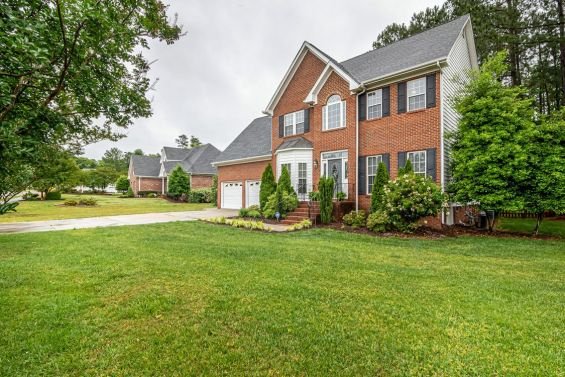
Exterior renovation planning tends to get divided into two separate conversations. One focuses on comfort, curb appeal, and how a home feels during everyday life. The other only comes up during storm season, often in a rushed and reactive way. And this shows up in small decisions. A patio that looks great but loosens after heavy rain. A drainage setup that works fine during light showers but struggles during a downpour. A door that feels sturdy until strong winds expose weak sealing or framing.
A more thoughtful approach connects both sides from the beginning. Each exterior upgrade becomes part of a larger system that supports daily routines while quietly preparing for rough weather. That could look like rethinking how water moves across a driveway after a storm, or choosing materials that hold their shape after years of sun exposure. Homeowners who plan this way usually notice fewer repairs, fewer surprises, and spaces that feel reliable rather than fragile.
Strength at the Front Line
Entry points take on constant wear. Shoes track in dust, doors swing open dozens of times a day, and exposure to sun and moisture slowly affects materials. A door that feels solid during installation can start to show gaps or slight misalignment if the frame was not properly reinforced. Many homeowners only notice this during windy conditions, where even a slight shift allows air or moisture to pass through. Paying attention to frame, hinge quality, and sealing strips during installation helps avoid those subtle weaknesses that grow over time.
Once that base is handled, upgrades can be introduced in a way that feels intentional. Hurricane-rated doors can prove worthwhile here, especially for homes in areas that face recurring seasonal storms. They bring reinforced cores and tested resistance, but their performance depends heavily on how well the surrounding frame and sealing are designed. A well-installed system feels tight during everyday use and stays reliable during pressure changes, instead of rattling or flexing under stress.
Exterior Skin That Handles More Than Looks
Siding tends to be chosen based on color or texture first, which makes sense during design planning. Still, daily exposure tells a different story over time. Afternoon sun can fade certain finishes faster than expected. Moisture buildup near shaded areas can cause warping or subtle expansion in materials that were not suited for that environment. Homeowners often notice uneven wear across different sides of the house, especially where wind and rain hit more directly.
Materials like fiber cement or engineered wood panels offer a balance between appearance and resilience. Installation matters just as much as the material itself. Proper spacing, secure fastening, and attention to joints can prevent panels from loosening during strong winds. A siding system that stays tight and aligned keeps the home looking consistent while quietly handling debris impact and seasonal changes without visible damage.
Water Movement Beyond the Roofline
Most people think about gutters first when it comes to drainage, but water rarely follows a simple path once it reaches the ground. Heavy rain can create unexpected flow patterns, especially on properties with slight slopes or uneven surfaces. A driveway that tilts just enough toward the house can guide water straight to the foundation. Even slight landscaping changes, like adding a garden bed, can redirect runoff in ways that were not originally planned.
Looking at the full path of water across the property makes a noticeable difference. Extending downspouts a few feet away from the home, adjusting grading near entry points, or adding subtle channels along walkways can guide water more effectively. Some homeowners notice that after making these changes, puddles disappear from areas that used to collect water regularly. The space feels drier and easier to maintain, even after a heavy storm.
Edges That Shape Air and Exposure
Roof edges often go unnoticed until something goes wrong. Overhangs provide shade that keeps interiors cooler, while soffits allow air to circulate through the attic. Those same areas, however, face direct pressure during strong winds. Loose fascia boards or poorly secured soffits can start to shift, creating openings that were never part of the original design.
Attention to fastening and ventilation design helps maintain both comfort and stability. For example, soffit vents that are properly installed allow airflow without becoming entry points for wind-driven rain. Reinforced edges stay aligned during rough conditions, so the roof structure continues to perform as expected.
Ground Surfaces That Hold Their Form
Driveways and walkways tend to show problems slowly. A slight dip near the garage, a crack forming along the edge, or sections that begin to shift after a heavy rain. Daily use can hide such issues for a while, yet water and soil movement often reveal them. Surfaces that were installed without a stable base usually settle unevenly, creating areas where water collects or where the footing feels off.
A well-prepared base changes how these surfaces perform. Layers of compacted gravel beneath concrete or pavers keep everything aligned, even after repeated exposure to rain. Materials that resist cracking help maintain a clean surface, while proper spacing between joints allows for natural movement without damage.
Boundaries That Let Air Pass Through
Fences define space and add privacy, yet their structure determines how they handle wind. Solid panels can act like large walls during strong gusts, taking on pressure that pushes against posts and fasteners. Over the years, this can loosen connections or tilt sections of the fence, especially in areas with softer soil.
Designs that allow airflow create a different outcome. Slight gaps between boards or slatted panels reduce pressure buildup, helping the structure stay upright during windy conditions. Post depth and anchoring matter just as much, since a well-set base keeps the fence steady.
Coatings That Do More Than Color
Exterior paint often gets chosen for its finish and tone, but it serves a practical role beyond appearance. Surfaces exposed to sun and moisture can start to fade, peel, or develop small imperfections if coatings are not suited for long-term exposure. Areas that receive direct sunlight throughout the day tend to show wear faster, especially along trim and edges.
Preparation plays a major role in how coatings perform. Clean surfaces, proper priming, and high-quality paint create a layer that holds up against weather changes. Some homeowners notice that after applying the right coating system, surfaces stay consistent in color and texture, even after seasons of exposure.
Overhead Features That Stay Grounded
Pergolas and shade structures add comfort to outdoor spaces, especially during warm afternoons. Their open design creates a relaxed atmosphere, though that same openness means they need careful construction to remain stable. Loose connections or shallow anchoring can allow movement that becomes noticeable during strong winds.
Secure anchoring and thoughtful joinery keep everything in place. Posts set firmly into the ground and beams connected with durable hardware create a structure that holds steady. Materials that handle exposure maintain their appearance without weakening over time.
Exterior renovations carry the most value when every detail works together. Daily comfort and storm readiness do not need separate plans. A well-considered approach creates spaces that feel practical and ready for changing conditions without constant adjustments.
Last modified: April 3, 2026