Look at Airflow and External Conditions Before You Call
Have you ever sat in your home in Largo, wondering why the air feels warm even though the AC is running all day? In a place where heat and humidity rarely take a break, cooling systems carry a heavy load year-round. Before calling for help, a few checks can save time and money. In this blog, we will share what to do before calling for HVAC repairs so you can handle issues with more control.
Look at Airflow and External Conditions Before You Call
Once the basics are covered, the next step involves understanding how air moves through your home and how the system interacts with its surroundings. Poor airflow often feels like a major failure, but it usually comes from smaller disruptions within the space.
Walk through each room and check vents. Make sure they are open and not blocked by furniture, rugs, or curtains. Even one blocked vent can affect how evenly the system cools your home. Uneven cooling creates the impression that the system is failing, when it is simply struggling to distribute air.
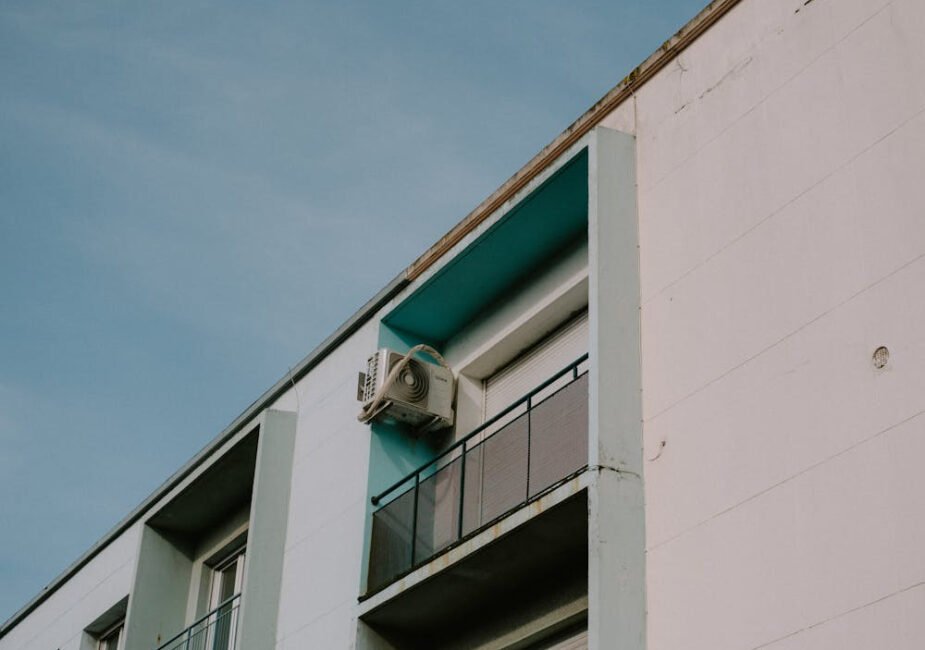
The outdoor unit also deserves attention. Leaves, dirt, and debris collect around it, especially after storms that have become more frequent in recent years. Clearing the area around the unit helps it function without strain.
If these checks do not improve performance, then it makes sense to consider professional help. Many homeowners look for reliable services like the best air conditioning repair in Largo when they want experienced technicians who can handle issues without delay. Having a trusted option ready helps avoid rushed decisions when the system stops working under pressure.
Taking time to review airflow and external conditions gives you a clearer picture of the problem, which leads to faster and more effective repairs when needed.
Start With Simple Checks That Often Get Ignored
When an HVAC system stops working the way it should, most people assume something major has gone wrong. In reality, many issues come from small, easy-to-fix problems that get overlooked.
Thermostats are a good place to begin. Settings can get changed without notice, especially in homes with multiple people adjusting the temperature. Make sure it is set to cooling mode and that the target temperature is lower than the current room temperature. Weak batteries can also cause the system to respond slowly or not at all.
Air filters are another common source of trouble. Over time, dust and debris block airflow, forcing the system to work harder while delivering less cooling. With more people keeping windows closed due to rising outdoor heat and air quality concerns, filters clog faster than before. Replacing a dirty filter can improve performance almost immediately.
Power supply should also be checked. A tripped breaker or loose connection can shut the system down without warning. Resetting the breaker may restore function within seconds.
These steps take little effort, yet they resolve a large number of service calls. Skipping them often leads to unnecessary costs and delays.
Pay Attention to Sounds and System Behavior
HVAC systems rarely fail without warning. They usually give signals through sound and performance changes, but those signals often go unnoticed until the problem grows.
Listen for unusual noises such as rattling, buzzing, or grinding. These sounds often point to loose parts or mechanical wear. While they may not stop the system immediately, they signal that something needs attention.
Observe how the system cycles. If it turns on and off too often, it may be struggling to maintain the set temperature. This behavior can come from airflow restrictions, thermostat issues, or internal imbalances.
Also notice how long it takes to cool your home. If the system runs longer than usual without reaching the desired temperature, it suggests reduced efficiency. With energy costs rising across the country, this kind of inefficiency becomes more noticeable on monthly bills.
Understanding these patterns helps you explain the issue clearly if you need to call for repairs, which makes the process quicker and more accurate.
Think About Maintenance and Past Performance
Before reaching for the phone, it helps to think about how your system has been maintained over time. Regular maintenance plays a major role in preventing breakdowns, yet it often gets pushed aside until something goes wrong.
If your system has not been serviced in over a year, the issue may come from general wear rather than a sudden failure. Dust buildup, worn components, and minor blockages can all affect performance.
There has been a shift in how people approach home systems. As repair costs increase, more homeowners are starting to treat HVAC maintenance as a routine task rather than an emergency response. This approach reduces the chances of sudden breakdowns and keeps systems running more smoothly.
Looking at past performance also helps. If your system has been reliable and suddenly starts acting up, the issue may be isolated. If it has shown repeated problems, it may need more thorough attention.
This perspective helps you decide whether the situation requires immediate repair or a more measured response.
Consider Weather and Usage Patterns
External conditions play a larger role in HVAC performance than many people realize. With longer heat waves and higher humidity levels becoming more common, systems are under greater strain than they were a decade ago.
If your unit struggles during the hottest part of the day but performs better in the evening, it may be reacting to extreme conditions rather than failing. While this does not mean the issue should be ignored, it provides context for what you are experiencing.
Last modified: April 9, 2026