Kid Rock’s Sons and Mother: The Untold Story of Family, Resilience, and Redemption
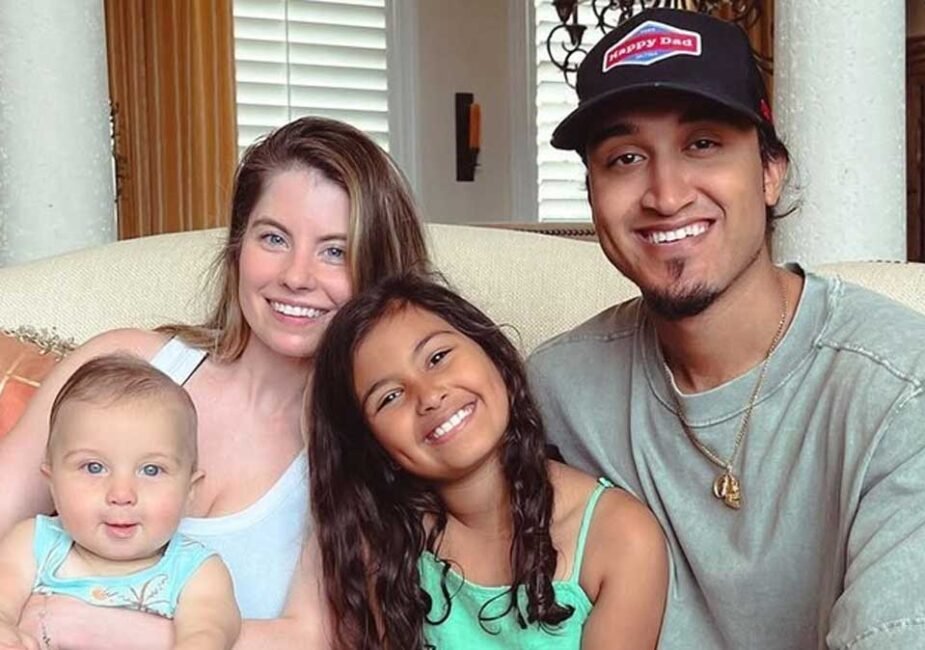
At 22 years old, with no money and dreams of becoming a rock star, Robert Ritchie—the man the world would come to know as Kid Rock—received his newborn son on his doorstep. The boy’s mother, a figure from his past, had left. What happened next became one of the most quietly inspiring single-parent success stories in modern music history, a narrative far more complex than the headlines suggest.
This is not just a story about Kid Rock’s son, or the custody battle that defined his early years. It is a three-generation saga of resilience. It explores the profound influence of Kid Rock’s own mother, Susan Ritchie, the chaotic journey of a young man raising a son amidst the whirlwind of fame, and the remarkable strength of that son, Robert James Ritchie Jr., who emerged from it all as a grounded and grateful man.
Forget the rockstar caricature for a moment. This article delves into the untold story of the Ritchie family. We will uncover how a powerful maternal support system helped break a cycle of instability, what Kid Rock’s single parenthood truly looked like behind the scenes, and how becoming a grandfather ultimately transformed him. This is the story of family, failure, and redemption.
The Mother Behind the Rockstar
Behind many larger-than-life figures stands a grounding force. For Kid Rock, that force has always been his mother, Susan Ritchie. While the world saw the swagger and the controversy, Susan provided a quiet, unwavering foundation. Her influence is a critical, yet often overlooked, chapter in the family’s story.

Susan Ritchie: The Woman Who Raised Kid Rock
Susan Ritchie is more than just a rockstar’s mother. She is the matriarch of a family that has navigated extraordinary circumstances. Alongside her husband, William Ritchie, a successful car dealership owner, she raised her son Robert in a comfortable home in Romeo, Michigan. This stable upbringing stands in stark contrast to the trailer-park image Kid Rock later cultivated.
She instilled in him a sense of loyalty and work ethic. Long before he was selling out arenas, Susan was there. She supported his early, often uncertain, musical ambitions. This maternal belief provided a crucial safety net, allowing him the freedom to take risks that would eventually lead to his explosive success.
The Maternal Support System
When Kid Rock became a single father, his support system became his lifeline. Susan Ritchie stepped into the role of a doting grandmother with fierce dedication. She, along with Kid Rock’s sister Jill and his son’s godmother, Donna, formed a powerful “village.” They provided the stability and nurturing that a touring musician could not always offer.
This network was instrumental. It ensured Robert Jr. had consistent maternal figures in his life, mitigating the absence of his biological mother. Kid Rock himself has repeatedly acknowledged their importance. He stated on AXS TV, “I had a lot of help. I had a great support system.” This humility is key to understanding his parenting success.
From Chaos to Custody: The Early Years
The story of Kid Rock’s fatherhood is born from a turbulent relationship and a shocking betrayal. It was a period of chaos that forced a young, aspiring musician to grow up fast. The legal battle that followed would set the course for his son’s entire life.
The Relationship with Kelley South Russell
Kelley South Russell was Kid Rock’s middle school sweetheart. Their on-and-off relationship spanned a decade, a tumultuous backdrop to his burgeoning music career. In the summer of 1993, their son, Robert James Ritchie Jr., was born. But the joy was short-lived.
Kid Rock soon discovered a devastating truth. He had been raising two other children with Kelley, believing they were his. They were not. The betrayal shattered their relationship. It was in the aftermath of this heartbreak that Kelley left, leaving their infant son in his father’s care.
The Custody Battle That Changed Everything
Kid Rock became a single father at 22. He told The Guardian, “He was dropped on my doorstep at six months when I had no money and was trying to be a rock star.” The situation escalated into a legal fight. In 1995, the court awarded Kid Rock full custody of his son.
The decision was based on an investigation that revealed Kelley’s struggles with alcohol addiction and a reported act of violence against Kid Rock. Years later, in 2000, she attempted to regain custody. The court denied her request, instead ordering her to pay her multi-millionaire ex $25 a week in child support, a move her attorney called “punishment.”
The Impact on Young Robert James Ritchie Jr.
Growing up with an estranged mother was undoubtedly difficult for Robert Jr. He had minimal contact with Kelley for years. The emotional toll of such a fractured relationship cannot be understated. It created a void that needed to be filled.
This is where his father’s support system proved so vital. The consistent presence of his grandmother, aunt, and godmother provided a sense of security and love. It was this foundation of stability that allowed a young boy, caught in a whirlwind of fame and family drama, to begin building his own remarkable resilience.
Raising June Bug: The Single Father Years
Raising a child is a challenge. Raising a child as a single father while becoming one of the biggest rock stars on the planet is a monumental task. Yet, this is the tightrope Kid Rock walked for years, a balancing act between a wild public persona and a deeply private paternal devotion.
The Rock and Roll Household
The Ritchie household was anything but conventional. It was a world where the lines between backstage and the living room often blurred. Kid Rock has been open about the fact that his son was exposed to the rock and roll lifestyle—the parties, the alcohol, the constant parade of people. It was a chaotic environment.
Yet, a fascinating paradox emerged. From this whirlwind of excess, Robert Jr. grew into a remarkably grounded individual. He developed no interest in drugs or the party scene that defined his father’s world. This outcome wasn’t an accident; it was the result of a father who, despite his own flaws, managed to instill a core set of values.
Parenting Philosophy and Lessons
Kid Rock’s parenting philosophy seemed to be one of presence over perfection. He didn’t hide his life from his son. Instead, he showed him everything and trusted him to make his own choices. He affectionately nicknamed his son “June Bug,” a term of endearment that reveals a tender side often hidden from the public.
The most powerful testament to his parenting comes from his son. In a heartfelt Father’s Day post, Robert Jr. wrote, “You’ve taught me compassion, kindness and gratitude. You’ve taught me how to be confident and humble at the same time.” These words speak volumes. They paint a picture of a father who, amidst the chaos, prioritized character.
The Turning Point: Becoming a Grandfather
In 2014, a new chapter began. At the age of 43, Kid Rock became a grandfather. His son’s girlfriend gave birth to a daughter, Skye. The transformation was profound. The man known for his rebellious anthems was now “Grandpa Rock.”
This new role brought a new perspective. It was a moment of reflection on legacy and the cycles of family. In interviews, Kid Rock has spoken about the joy of being a grandfather. It softened his edges and solidified the success of his most important job: being a father. The family story had come full circle.
The Son’s Story: From Adversity to Inspiration
Robert James Ritchie Jr. is the living embodiment of resilience. His life could have been a casualty of his chaotic upbringing. Instead, it became a testament to the power of a father’s love and a strong support system. His story is one of breaking cycles and finding his own path.
Robert James Ritchie Jr.: Breaking the Cycle
Now 31 years old, Robert Jr. is a man who has consciously chosen a different path from his father’s public persona. He has no interest in the drug-fueled party lifestyle that surrounded him as a child. He found stability early, marrying his high school sweetheart and becoming a devoted father to his own children.
He has followed in his father’s musical footsteps, but on his own terms. He is a talented musician who has performed emotional tribute songs to his father, using his art to express a deep sense of gratitude. His journey is a powerful example of how a child can emerge from a difficult situation with strength and grace.
The Public Gratitude: A Son’s Letter
In 2020, Robert Jr. gave the world a glimpse into his relationship with his father. His Father’s Day Instagram post was a raw and moving tribute. He wrote, “You’ve taught me compassion, kindness and gratitude. You’ve taught me how to be confident and humble at the same time. You’ve taught me about faith and how it keeps the spark alive in life.”
These are not the words of a son scarred by a difficult childhood. They are the words of a man who recognizes the profound and positive impact his father had on his life. This public acknowledgment is a powerful testament to the bond they share, a bond forged in the crucible of their unique circumstances.
Emotional Tribute Songs and Performances
Music has always been the language of the Ritchie family. For Robert Jr., it has become a way to process his past and honor his father. His recent performances of emotional tribute songs have resonated with audiences, offering a vulnerable and authentic look into their family’s story.
These performances are more than just music. They are a form of healing, a bridge between two generations. They showcase a young man who is not afraid to be vulnerable, a quality he likely learned from a father who, for all his bravado, was never afraid to show his love for his son.
Comparative Analysis: Kid Rock vs. Other Celebrity Single Fathers
Kid Rock’s journey as a single father is unique, but he is not the only celebrity to navigate parenthood alone. A comparison with others in similar situations highlights what makes his story so compelling.
| Aspect | Kid Rock | Tommy Lee | Nicolas Cage |
|---|---|---|---|
| Age When Became Single Parent | 22 | 30s (after divorce) | 20s (after separation) |
| Custody Situation | Full custody from age 2 | Contentious shared custody | Primary custody |
| Lifestyle During Parenting | Chaotic rock and roll | Notoriously wild | More private, but still Hollywood |
| Child’s Public Outcome | Grounded, resilient, drug-free | Public struggles with addiction | Generally private, some legal issues |
| Public Acknowledgment | Frequent, emotional tributes | Complicated, often strained | Very private |
| Support System | Strong (mother, sister, godmother) | Less clear public information | Kept private |
| Grandfather Status | Yes, at age 43 | Yes | Yes |
This table reveals a key pattern: while many celebrity children struggle under the weight of their parents’ fame, Robert Jr. thrived. The combination of a strong, non-famous support system and a father who, despite his lifestyle, remained a constant presence, appears to be the critical difference.
The Role of Maternal Figures in Breaking Cycles
The story of the Ritchie family is a powerful case study in the importance of maternal influence, both in its presence and its absence. It was the steady hand of Kid Rock’s own mother that provided the blueprint for stability, while the void left by his son’s mother served as a different kind of lesson.
Susan Ritchie’s Influence
Susan Ritchie’s impact cannot be overstated. For a young single father navigating the treacherous waters of fame, she was an anchor. Her consistent presence provided the stability that Kid Rock’s chaotic lifestyle lacked. She didn’t just help with childcare; she modeled a form of unconditional love and support that became the bedrock of the family.
Her influence is a clear example of intergenerational impact. The values she instilled in her son—loyalty, resilience, and a deep-seated sense of family—were the same values he passed down to Robert Jr. She was the quiet force that ensured the cycle of instability was broken, not repeated.
The Absence and Its Lessons
The absence of Kelley South Russell also taught a profound lesson. For Robert Jr., it was a lesson in self-reliance. It forced him to find strength and validation from within his tight-knit family unit. It also appears to have shaped his own commitment to fatherhood, creating a determination to be the present and stable parent he didn’t always have.
From a psychological perspective, the story highlights how a strong, alternative support system can mitigate the potential trauma of parental estrangement. Robert Jr. didn’t grow up with a gaping wound; he grew up surrounded by love from other sources. This allowed him to process his mother’s absence without letting it define him.
The Godmother Effect
Beyond his grandmother and aunt, Robert Jr. had another crucial maternal figure: his godmother, Donna. Kid Rock has publicly mourned her passing, highlighting her importance in their lives. This “godmother effect” speaks to the power of a chosen family.
It reinforces the idea that a village raises a child. For single parents, especially, building a network of trusted, loving adults is not a luxury; it is a necessity. Donna’s role in the Ritchie family is a beautiful reminder that motherhood is not just a biological title—it is a role that can be filled by anyone with a loving heart.
Frequently Asked Questions
- 1. How many children does Kid Rock have?
- Kid Rock has one biological child, a son named Robert James Ritchie Jr., who was born in the summer of 1993. He raised his son as a single father after a tumultuous relationship with the boy’s mother, Kelley South Russell.
- 2. Who is Kid Rock’s mother?
- Kid Rock’s mother is Susan Ritchie. She has been a significant and supportive figure throughout his life and career, playing a crucial role in helping him raise his son, Robert Jr., as a single father.
- 3. What happened to Kid Rock’s son’s mother?
- Kid Rock’s son’s mother is Kelley South Russell. After a difficult relationship and a custody battle in the mid-1990s, Kid Rock was granted full custody of their son. Kelley had limited contact with her son for many years and has maintained a private life away from the public eye.
- 4. Did Kid Rock raise his son alone?
- While Kid Rock was the primary single parent, he did not raise his son entirely alone. He has often credited his strong support system, which included his mother Susan Ritchie, his sister Jill, and his son’s godmother, Donna, for providing essential help and stability.
- 5. Is Kid Rock a grandfather?
- Yes, Kid Rock became a grandfather at the age of 43. His son, Robert Jr., has a daughter named Skye, who was born in 2014. He has spoken about how becoming “Grandpa Rock” has been a transformative and joyful experience.
- 6. What is Robert James Ritchie Jr. doing now?
- Robert James Ritchie Jr., now 31, is a musician in his own right. He is married to his high school sweetheart and is a dedicated father. He has chosen a more private life than his father but has occasionally performed and shared heartfelt tributes about his family.
A Legacy of Resilience
The story of Kid Rock and his family is far more nuanced than the rebellious rock anthems and controversial headlines suggest. It is a story of a young man thrust into fatherhood, a mother who became the unwavering bedrock of her family, and a son who transformed a chaotic childhood into a life of gratitude and stability. It is a narrative of redemption, proving that the cycles of the past do not have to dictate the future.
Through it all, the constant has been family. The unwavering support of Susan Ritchie, the dedication of a father who refused to walk away, and the resilience of a son who chose a path of grace—these are the elements that define the Ritchie family legacy. The most rock and roll thing Kid Rock ever did wasn’t on a stage; it was showing up, day after day, for his son.
This three-generation saga offers a universal lesson. It reminds us that with love, a strong support system, and a relentless commitment to showing up, even the most unconventional families can create a legacy of strength and redemption. It is a story that deserves to be told, and one that will continue to inspire.
Last modified: February 11, 2026