Key Factors in Selecting a Construction Dumpster Rental
Dumpster Size
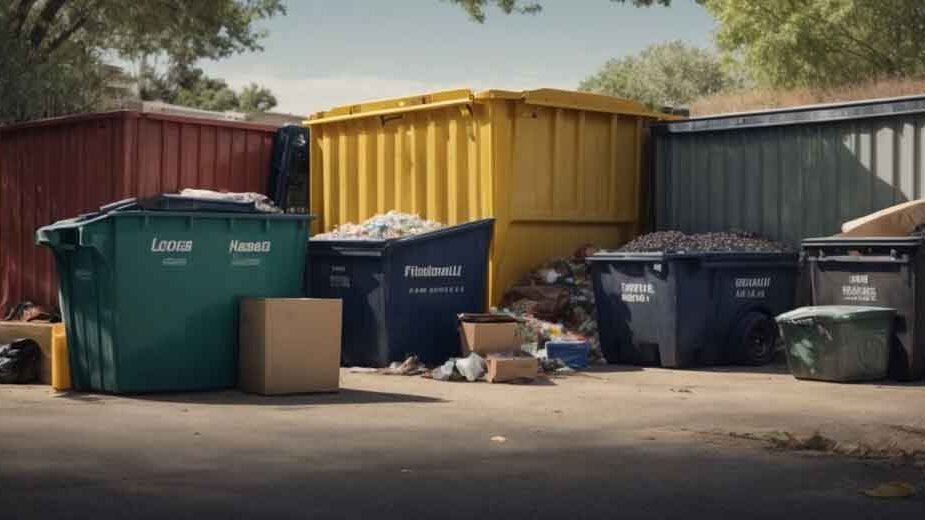
To select the right dumpster size, evaluate the type of debris your project will generate. You can match the container size to the job type, such as minor home repairs, demolitions, or commercial building cleanouts. Dumpster selections range from small to large sizes. Matching the project scope to the appropriate container size prevents you from renting an oversized dumpster with unused space. It also minimizes the need to schedule multiple hauls if the container is too small. An appropriately sized dumpster prevents waste from accumulating on-site or overflowing from the container. Proper waste containment can reduce tripping hazards, and this promotes a safe and organized site for construction workers.
Debris Type
The type of debris you will be disposing of affects your choice of construction dumpster rental. When evaluating debris, focus on the following:
- Acceptable construction materials
- Weight limits
- Prohibited Items
Construction dumpsters can contain various bulky items, such as concrete, wood scraps, and metal. Different construction materials have varying weights for the same volume. Heavy debris is dense and may reach weight limits faster than lighter, bulky materials; this influences the container volume. Adhering to weight limits helps reduce the dangers of hauling overloaded dumpsters during pick up. Certain debris types, such as chemicals and medical waste, are prohibited from standard roll-off containers. If your construction debris consists of paints or solvents, you’ll need to dispose of them at a separate waste facility. Following these requirements helps protect sanitation workers and the environment.
Rental Period
When selecting a dumpster rental service, align it with your project timeline. Estimate the project’s duration, and schedule the dumpster for the entire active work phase. Coordinating the delivery date makes sure waste removal starts alongside demolition, remodeling, or landscaping phases. Planning a specific pickup date keeps the site clear once the container is full.
Construction schedules sometimes shift, so you may need to extend the rental. Choosing a provider that offers flexible rental periods allows adjustments if the project exceeds the original timeline. Timely scheduling matters because the dumpster must be delivered when debris accumulates and collected promptly to avoid blocking driveways or work areas. Properly planning your rental duration prevents interruptions in waste removal, reducing delays from replacement containers or overflow.
Site Logistics
Evaluating site logistics promotes the safe delivery and effective use of the dumpster while preventing property damage. Assess the available space so the delivery truck can maneuver as needed and position the dumpster securely. The delivery spot should be flat and level; this helps prevent tipping or sinking on soft soil or gravel. Choose an area free of obstructions like overhead wires, low-hanging branches, or uneven pavement. The site’s dimensions determine the maximum dumpster size you’re able to accommodate. Placing the dumpster near the main work area, such as a construction zone, garage, or yard, can reduce the time and effort required to transport debris. If the container needs to be placed on a public street, select a provider experienced in handling permit requirements and local regulations.
Loading Method
The loading method focuses on how the debris will be physically placed into the container, influencing the dumpster style. For smaller debris, you may opt for lower-walled containers where materials are tossed over the sides. Proper loading involves placing heavier items at the bottom and center to keep the container balanced. Heavy debris containers may be reinforced to support the loading of dense materials. Efficient loading methods focus on filling in gaps between bulky items with smaller debris to create a compact load. With certain projects, you may need to break down large items before loading; this helps maximize the dumpster’s cubic yardage.
Find a Construction Dumpster Rental
Dumpsters come in a range of sizes and dimensions; this lets you choose the right capacity for your waste needs. It allows you to select a container that fits your worksite, whether you’re managing debris from a home renovation or clearing out a commercial building. After evaluating your construction project’s needs, contact a reputable dumpster rental provider to explore their available sizes and styles.
Last modified: January 6, 2026