Installation Factors That Influence Long-Term Door and Window Results
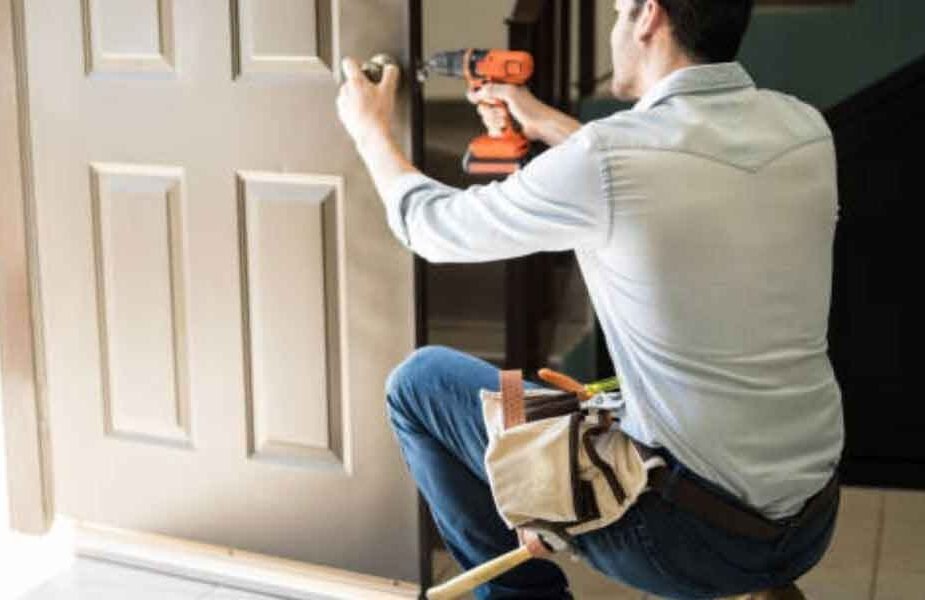
Doors and windows shape comfort, safety, and energy control across any property. Product quality matters, yet installation choices often decide how well these features perform over decades. Careful preparation, accurate placement, and sound materials protect against drafts, moisture issues, and early wear. This article explains the main installation factors that affect long-term results, with practical insight for property owners who value durability and steady performance.
A successful project starts before any unit reaches the opening. Many professionals advise clients to Schedule a Consultation early, after initial planning, but before final product selection. That step allows a clear discussion of site conditions, climate demands, and structural limits that influence lasting results.
Precise Measurements and Opening Conditions
Accurate measurements form the base of reliable performance. Openings that lack proper sizing often create stress on frames, glass, and hardware. Even premium units can fail when forced into spaces that lack square lines or level surfaces.
Measurement Details That Matter
Small errors lead to large problems over time. Careful checks help avoid these issues.
- Width and height checks at multiple points
- Depth review for wall thickness accuracy
- Diagonal checks to confirm square shape
Walls that show damage, rot, or cracks need repair before placement. A clean and solid opening supports proper alignment and reduces strain on fasteners and frames.
Structural Support and Load Distribution
Doors and windows face constant movement from temperature changes, wind pressure, and daily use. Proper support allows units to manage that stress without warping or gaps.
Support Methods That Protect Performance
Correct load distribution helps frames stay true for years.
- Adequate headers above wide openings
- Firm sill support to prevent sag
- Even shims placed at key contact points
Poor support often leads to sticking doors, glass stress, and seal failure. Solid backing spreads weight evenly and protects the entire assembly.
Moisture Control and Air Barrier Quality
Water intrusion ranks among the top causes of early failure. Rain, snow, and humidity find paths through weak barriers. Sound moisture control during setup blocks those paths and guards interior surfaces.
High-quality sealants, tapes, and membranes work together as a system. Each layer plays a role, from exterior water defense to interior air control. Gaps or shortcuts allow leaks that damage walls and reduce energy efficiency. A complete barrier system keeps interiors dry and comfortable across seasons.
Fasteners, Anchors, and Hardware Choices
The type and placement of fasteners affect stability over time. Incorrect anchors may loosen, corrode, or split framing. Hardware quality also shapes ease of use and security.
Professionals select fasteners based on wall material, unit weight, and exposure level. Proper spacing keeps frames secure without stress. Quality locks, hinges, and handles reduce wear and support smooth operation for years.
Climate and Usage Considerations
Local weather patterns shape installation needs. Hot sun, heavy rain, snow load, or high winds all place unique demands on doors and windows. Usage patterns also matter. Entry doors face frequent opening cycles, while large glass units face thermal stress.
Installers account for these factors when selecting materials and placement methods. Adjustments based on climate and use extend service life and maintain appearance. As the planning process nears its final phase, many property owners choose to Schedule a Consultation to review these conditions with a qualified professional before making final decisions.
Long-term door and window results depend on more than product choice. Accurate measurements, solid support, moisture control, proper hardware, and climate awareness all play key roles. Each factor builds on the next to support comfort, efficiency, and reliability. Thoughtful installation protects investment value and reduces future repair needs. Care at every step leads to performance that lasts through years of daily use and changing weather.
Last modified: January 22, 2026