How To Prepare Your Property for a Dumpster Rental
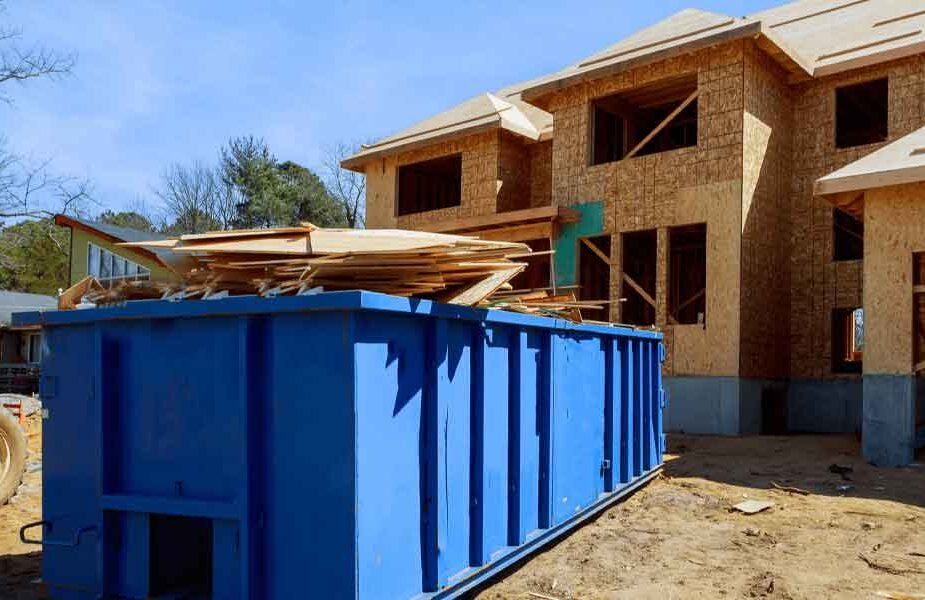
Renting a dumpster simplifies waste removal for homes, businesses, and construction sites, allowing debris to be efficiently contained. Property preparation helps facilitate smooth deliveries and pickups; it prevents obstacles from blocking truck access or placement areas. Taking steps to protect landscaping, driveways, and access points can reduce the risk of damage during delivery and container use. Here are a few tips to help prepare your property for a dumpster rental:
Choose a Suitable Dumpster Size
Roll-off dumpsters come in various sizes; this allows you to select the right container for your project. A 10-yard dumpster works well for a single-room cleanout or a small yard project. For property renovations or roof replacements, a 15- or 20-yard container can accommodate bulky items, old framing, and general debris. Contractors and businesses handling larger construction or demolition projects sometimes need 30- or 40-yard bins. Assess the volume of cleanout, remodel, or construction debris to select the appropriate roll-off container. Commercial projects benefit from durable containers designed for ongoing heavy material disposal.
When selecting a dumpster size, evaluate the dimensions and weight limits. Make sure the container will fit through any gates and around tight corners on the property. Checking the weight restrictions helps prevent overloading. Construction debris includes concrete and roofing materials, and it can quickly reach maximum limits. Lighter materials, such as household junk, yard waste, or packaging, allow you to maximize larger bins. Planning the type and weight of debris in advance helps achieve safe transport.
Plan the Truck Access Route
To promote a smooth drop-off, create an access plan for the dumpster delivery. The truck needs a clear area to reach the drop-off site and turn around or back up. Route preparation should also account for overhead wires that could obstruct delivery trucks. Clear paths make it easier to access dumpsters on the property, and they help drivers avoid tight spaces, allowing them to maneuver safely. A detailed site plan makes sure the dumpsters fit the space and can be staged within the property’s dimensions. Prepared staging areas also allow commercial dumpsters to be delivered and positioned efficiently for large-scale projects.
Clear the Delivery Space
Clearing a delivery space on the property is key to delivering a commercial or residential dumpster rental. Remove any vehicles, debris, and materials that block the yard or driveway. Trim overhanging tree branches that might interfere with the truck’s movement, and move household items and outdoor equipment from the drop-off zone. Providing ample clearance allows delivery trucks to back in safely and helps prevent property damage during delivery.
Protect Driveways and Lawns
Placing mats and barriers under rental dumpsters can protect your driveway from scratches and your lawn from lasting indentations. Contractors sometimes use sturdy wooden sheets or rubber mats as a buffer beneath the bin; this helps distribute the weight and preserve concrete and asphalt. Positioning the bin on compacted gravel or stone patios may further prevent surface damage. Coordinating ancillary services, such as portable restroom rentals, with dumpster placement helps keep construction or event areas organized. These measures can reduce trips into home interiors and protect both landscaping and property surfaces.
Maintain Safe Onsite Practices
Maintaining safe zones around dumpster loading areas helps reduce hazards on project sites. Wayfinding signage allows workers and visitors to navigate changing layouts, such as temporary access routes, restricted zones, and designated loading areas. Clear communication and proper placement of containers can prevent accidents, and it helps keep the workflow organized and efficient.
Explore Dumpster Rental Options
Selecting a suitable dumpster rental starts with evaluating the scope of your project and the available space on your property. These containers are designed to meet a range of cleanup needs, whether you’re renovating a home, re-roofing an office, or demolishing a building. Commercial-sized dumpsters and junk hauling services help keep properties free of debris during projects or seasonal cleanouts; they remove accumulated waste according to your timeline. Plan your dumpster rental today to protect your property and streamline waste management.
Last modified: March 20, 2026