How to Extend the Life of Your HVAC System?
Maintaining an HVAC system’s efficiency over many years requires a thoughtful approach that extends beyond simply turning it on and off as needed. Homeowners depend on their heating and cooling systems for comfort throughout seasonal changes, and maintaining that reliability often depends on consistent care says Estate Home Management professionals. Many systems suffer unnecessary wear because small issues go unnoticed or preventive steps are overlooked. Understanding how to protect the system, reduce unnecessary strain, and promote smoother operation helps preserve performance while preventing unexpected breakdowns. The introduction of simple habits, combined with occasional professional attention, can significantly extend the lifespan of your equipment. By learning how to support airflow, manage usage, and maintain the system’s cleanliness, households can enjoy reliable comfort while avoiding premature replacements. This introduction lays a foundation for understanding the various ways a system can be strengthened through thoughtful and steady maintenance.
Care That Makes a Difference
- Understanding How HVAC Systems Age
Every HVAC system gradually experiences wear as it cycles through seasons, adjusts to temperature demands, and works to maintain a comfortable indoor environment. Over time, components face pressure from constant operation, leading to minor inefficiencies that can grow into larger concerns if left unaddressed. Filters become clogged, motors experience strain, and dust settles in areas that affect airflow and temperature regulation. Homeowners often underestimate how quickly these small factors add up, but being aware of common aging patterns makes it easier to prevent early decline. Many systems lose performance not because they are outdated, but because airflow becomes restricted or certain parts begin to work harder than intended. Being proactive allows homeowners to slow this process and create conditions where the system can operate smoothly for longer. Some families turn to our HVAC services to ensure their system receives timely inspections, proper cleaning, and careful monitoring that supports long-term reliability without unnecessary complications.
- Simple Habits That Support Longevity
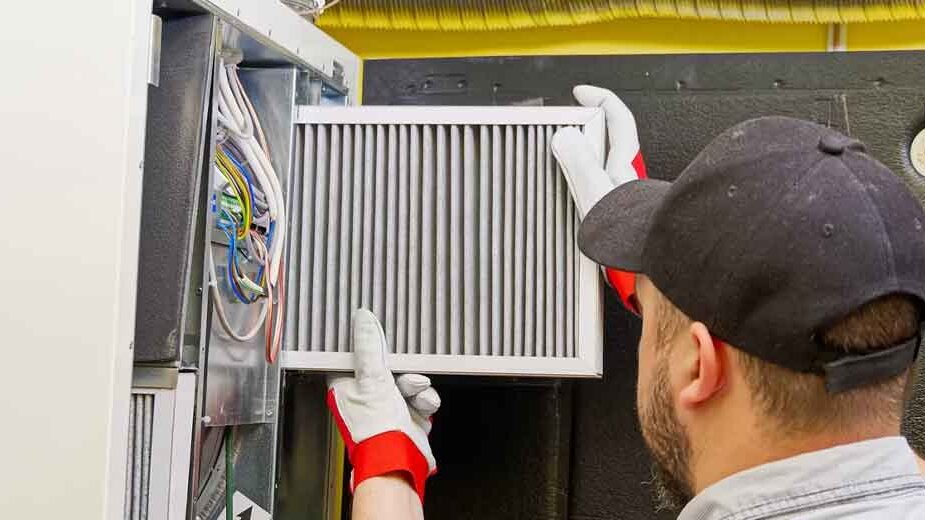
Small adjustments to everyday habits can significantly impact the lifespan of an HVAC system. One of the most important practices involves maintaining clean, unobstructed airflow throughout the home. Keeping furniture or drapes away from vents, ensuring doors remain open for better circulation, and routinely checking air filters all help reduce strain on the system. Filters that remain clean allow air to move more easily, preventing the blower motor from working harder than necessary. Homeowners who consistently track filter changes often notice smoother operation and improved indoor air quality as well. Another valuable habit involves paying attention to unusual sounds, changes in temperature consistency, or higher energy bills, as these signs often indicate early issues. By addressing them promptly, the system avoids unnecessary stress that could lead to costly repairs. Creating awareness around these small habits builds a strong foundation for long-term performance, helping the HVAC system age more gracefully.
- Importance of Seasonal Tune-Ups and Inspections
While daily habits are essential, seasonal tune-ups provide safeguards that go deeper into the system’s mechanical structure. During these inspections, technicians check for wear on belts, evaluate the condition of motors, tighten electrical connections, and measure airflow levels to ensure optimal performance. These tune-ups help catch minor issues early before they affect comfort or efficiency. When a system is cleaned and calibrated before the major temperature changes, it can operate without the abrupt strain that typically occurs during the first hot or cold days of the year. Seasonal servicing also enables technicians to identify parts that may be weakening due to years of use, thereby helping to prevent unexpected failures during peak demand. This approach reduces the likelihood of emergency breakdowns and supports smoother performance throughout the year. Homeowners who schedule inspections routinely often find that their system not only lasts longer but also operates more efficiently, saving energy while maintaining a steady level of comfort.
- Supporting Your System Through Smart Usage
Another key factor in extending the life of an HVAC system involves paying attention to how the system is used throughout the day. Rapid temperature changes, frequent adjustments to the thermostat, and unnecessary running time all contribute to increased strain. A consistent thermostat setting is often gentler on the system compared to regular manual changes. Programmable thermostats help maintain stable temperatures, minimizing the start-and-stop cycles that place heavy stress on the compressor and blower. Homeowners also benefit from managing indoor heat sources such as ovens or appliances during hot months, as reducing indoor heat reduces cooling demand. Smart usage extends beyond the thermostat—ensuring windows and doors remain sealed prevents conditioned air from escaping, reducing the workload on the HVAC system. When the system is allowed to operate at a balanced pace, its components age more slowly, contributing to longer lifespan and more dependable performance.
- Keeping the Home Environment Supportive
The overall condition of the home directly affects how hard the HVAC system must work. A well-insulated home with secure windows and properly sealed ducts allows the system to operate with far less stress. Insulation keeps conditioned air inside, reducing the frequency and duration of heating and cooling cycles. Well-maintained ducts prevent air leakage, ensuring the system delivers consistent airflow to all areas of the home without wasted energy. Homeowners can also benefit from maintaining ceiling fans, as this promotes better circulation, which helps distribute warm or cool air more efficiently and reduces the workload on the HVAC system. Managing humidity levels is another valuable step, as excess moisture forces the system to work harder during cooling cycles. By creating a supportive indoor environment, homeowners help their HVAC system run more efficiently and maintain a longer, healthier lifespan.
Extending the life of an HVAC system involves a combination of consistent habits, timely maintenance, and smart usage practices that protect its core components from unnecessary wear and tear. When homeowners stay aware of airflow, adjust everyday routines, schedule seasonal inspections, and maintain a supportive home environment, the system remains steady, efficient, and reliable for many years. These steps not only preserve performance but also reduce the likelihood of costly repairs or early replacement. A thoughtful approach to care can make each heating and cooling season smoother while providing lasting comfort throughout the home. By giving the system the attention it needs, homeowners support long-term durability and enjoy peace of mind knowing their HVAC equipment continues to serve them effectively year after year.
Last modified: January 7, 2026