How to Evaluate the Quality of Refurbished Office Desks
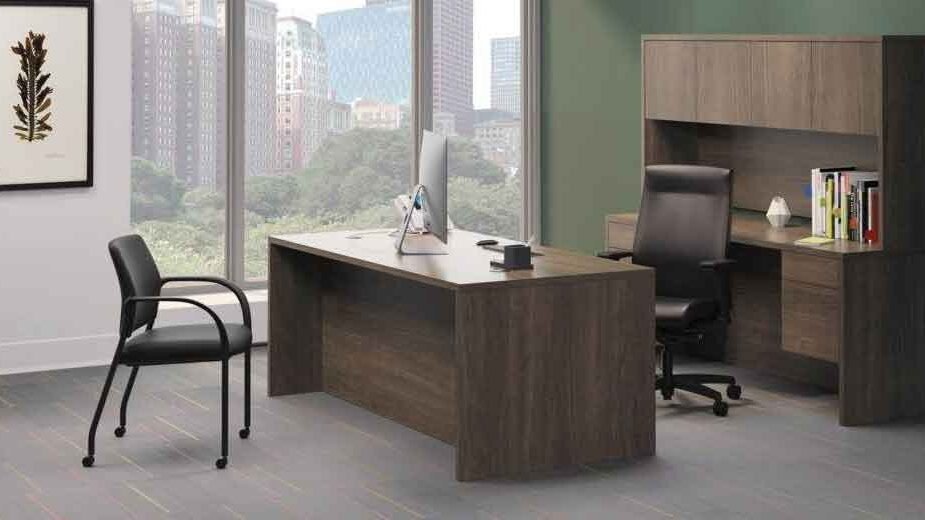
Determining the true value of refurbished office desks requires more than a quick glance at design or price. An introduction must set the stage for understanding what makes a refurbished desk not only functional but reliable enough to support daily work routines. In today’s environment, many businesses prefer cost-efficient solutions that do not compromise durability or comfort, making refurbished office furniture a practical choice. We will explore how factors such as construction, materials, finishes, and ergonomic features help determine whether a desk is genuinely worth the investment.
By knowing how to evaluate these elements with clarity and confidence, buyers can avoid unnecessary replacements while ensuring their workspace remains productive and visually appealing. This also supports those who want to buy used office furniture now with greater certainty, as it lays the foundation for recognizing key indicators of quality and longevity, helping buyers make informed choices aligned with their budgets and office needs.
Key Criteria for Identifying High-Quality Refurbished Office Desks
- Structural Integrity and Framework Strength
When evaluating refurbished office desks, one of the most significant indicators of quality is the condition of the internal frame and support structure. A solid desk should feel stable when pressure is applied, without wobbling or shifting. Many refurbished desks have undergone repairs, so it is essential to confirm that any reinforced areas are properly aligned and securely tightened. Look for sturdy materials such as steel frames or thick wood that can withstand daily use. Inspect corners, joints, and brackets to ensure they are not weakened or poorly reattached. Additionally, pay attention to weight capacity, as a well-built desk should comfortably support computers, monitors, and other office equipment without sagging. Understanding the condition of the frame helps predict how well the desk will perform long-term and whether it will provide dependable functionality in a busy work environment.
- Surface Quality and Material Durability
A desk’s surface reveals much about its condition and longevity. Whether the top is made of laminate, veneer, or solid wood, its durability depends on how well it has been restored. Smoothness, even finishing, and resistance to scratches are crucial features to examine. Run your hand across the surface to check for rough patches, dents, or uneven textures that indicate inadequate refurbishing. Consider whether the material is moisture-resistant, heat-resistant, or prone to marks, especially if the desk will support laptops or hot beverages. For veneer surfaces, ensure the layer is firmly attached with no lifting at the edges.
For laminate, inspect for bubbling or discoloration that may occur from past wear. A well-restored surface should provide an appealing appearance while also meeting the demands of everyday office tasks. Quality materials not only improve usability but also contribute to the desk’s lifespan, providing value far beyond the initial purchase.
- Functionality, Storage, and Ergonomic Design
An effective workstation must offer more than aesthetics—it should support comfortable and efficient work habits. Evaluate how drawers slide, whether locks function correctly, and if hinges operate smoothly. Refurbished desks often include updated hardware, so ensure these components feel sturdy and aligned. Additionally, examine the desk’s height and legroom to determine whether it promotes ergonomic comfort, an essential aspect for maintaining long-term productivity.
If the desk features cable management ports or shelves, confirm that they have been properly restored and offer practical utility for modern office setups. Ergonomic design considerations are particularly important for people who spend long hours working at a desk, as they influence posture and reduce the likelihood of discomfort. Ensuring proper functionality creates a workspace that blends convenience with durability, allowing employees to work efficiently without unnecessary physical strain or organizational challenges.
- Refinishing Quality and Attention to Detail
Refurbished office desks can vary significantly depending on the care taken during the restoration process. Examine the refinishing work closely to identify whether the desk has been sanded evenly, stained properly, or painted with a smooth, uniform finish. Flaws such as drip marks, inconsistent staining, or rough edges indicate rushed or low-quality work. Hardware such as handles, knobs, and metal fixtures should match the desk’s style and be tightly secured.
Check whether replacement components complement the original structure rather than appearing mismatched. A well-refinished desk should look cohesive and polished, reflecting thoughtful craftsmanship. Attention to detail also extends to hidden areas—open drawers fully and look beneath the desk to ensure the refurbishing process was thorough. High-quality refinishing enhances not only the desk’s appearance but also its long-term performance by protecting it from scratches, wear, and environmental exposure.
- Sustainability, Reputable Sellers, and Long-Term Value
Purchasing refurbished office furniture is often motivated by both budget considerations and environmental responsibility. A quality refurbished desk contributes to sustainability by reducing waste and extending the life cycle of existing materials. To ensure a responsible purchase, consider buying from reputable suppliers that are transparent about their refurbishing process. Reliable vendors typically provide clear descriptions, detailed photos, and quality guarantees that reflect confidence in their work.
Examine whether the desk comes with a warranty or return policy, as these measures demonstrate a commitment to customer satisfaction. Additionally, evaluate the desk’s long-term value by comparing its durability and features with those of brand-new alternatives. Quality refurbished desks can offer substantial savings while still delivering reliable performance over several years. Making environmentally conscious choices not only benefits the workspace but also supports broader efforts to reduce landfill waste and encourage responsible consumption.
Evaluating the quality of refurbished office desks involves careful consideration of workmanship, materials, functionality, and long-term value. A thoughtful inspection helps ensure that a desk performs reliably, supports productivity, and enhances the workspace environment. By understanding structural integrity, assessing surface finishes, and ensuring ergonomic and functional performance, buyers make confident decisions that align with their office needs. Choosing well-restored furniture not only supports sustainability but also provides financial advantages without sacrificing quality. This approach empowers individuals and businesses to create efficient, comfortable workspaces while maximizing the benefits of refurbished office furniture.
Last modified: December 1, 2025