How to Create a Sustainable Fitness Routine in Your 60s
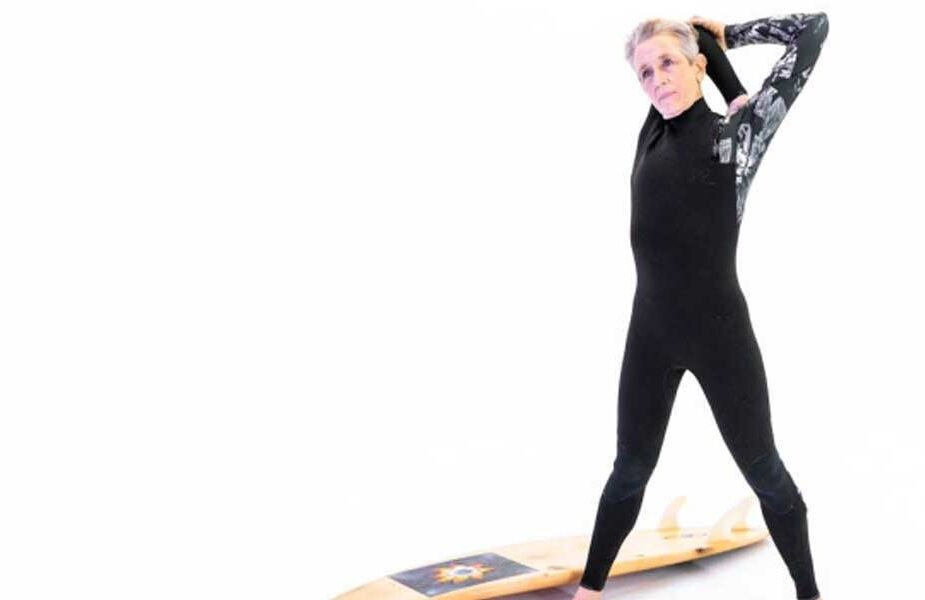
In your 60s, fitness can feel like a new language. You still want to move. You just want to move without paying for it later. That is a fair goal. It is also a smart one.
Many people your age are thinking about strength, balance and energy. You hear it in casual chats. You see it in news stories about healthy aging. You notice it when a friend starts walking daily. The point is not to chase youth. The point is to protect your independence.
It also helps to ground this in a real place. Greenwood Plaza on Chicago’s South Side is part of a living community. People there, like everywhere, are managing busy lives. Some are caring for family. Some are working longer than past generations. When life stays active, staying capable matters.
So, how do you build a routine that actually lasts?
In this blog, we will share clear steps and practical ideas to help you create a sustainable fitness routine in your 60s – so you can feel stronger, steadier and more confident in daily life.
Build Strength Like It Is a Savings Account
Strength training supports muscles, balance and bone health as you age. Light weights, resistance bands and bodyweight exercises place healthy stress on bones, helping maintain density over time. You do not need heavy equipment – consistency matters more than intensity.
Within weeks, everyday tasks often feel easier. Standing from a chair or carrying groceries requires less effort. That shift reflects stronger muscles and better support for your bones.
If you feel unsure about your form or overall safety, consider getting guidance. Finding the right support can feel overwhelming, especially in a busy place like Chicago’s South Side. Still, there are accessible options nearby. You can connect with orthopedic experts at Greenwood Plaza for advice on joint friendly exercises. The right input can ease worry, improve technique and lower the risk of unnecessary setbacks.
Track progress in practical ways. Can you lift a heavier bag? Can you climb stairs without holding the rail? These are real world wins.
Strength is your insurance policy. It protects your future self.
Protect Your Joints Without Living in Fear
Joint pain often scares people into doing nothing. Ironically, doing nothing can make joints stiffer. Movement keeps them lubricated. Remember that gentle activity feeds cartilage.
Low impact exercises are your friend. Walking is underrated. Swimming is forgiving. Cycling reduces pressure on knees.
Stretching also matters. Did you know that tight hips can strain your back? Tight calves can affect balance. Trust this: Five to 10 minutes daily can change how you feel.
Listen to pain signals. Sharp pain is different from muscle soreness. If pain lingers for days, adjust. If swelling appears, rest and consult a professional. Shoes matter more than fashion. Supportive footwear can reduce strain. Think of it as shock absorption for your life.
Fear of injury can shrink your world. Smart planning expands it.
Cardio for the Long Game
Cardio is not about punishing yourself. It is about keeping your heart steady and strong. Heart disease remains a leading concern for older adults. Regular movement lowers risk.
You do not need to run marathons. Brisk walking counts. Dancing counts. Gardening counts if your heart rate rises. Aim for moderate effort. You should talk in short sentences. You should not gasp for air. That is a useful test. Many people enjoy social cardio. Walking groups create accountability. Pickleball courts buzz with friendly competition. Laughter increases effort without feeling like work.
Variety helps. How so? Mix walking with cycling or water aerobics. Different motions reduce repetitive stress. They also fight boredom.
Start small. Ten minutes can turn into fifteen. Fifteen can turn into thirty. Momentum builds quietly.
Your heart does not care about trends. It cares about steady movement.
Balance and Flexibility Are Quiet Heroes
Falls are a real concern in later decades. Balance training is often ignored. It should not be.
Simple exercises help. Standing on one foot near a counter. Heel to toe walking down a hallway. Gentle yoga poses.
These moves look easy but they are not always easy. That is the point. They train stabilizing muscles. Flexibility keeps daily tasks smooth. Reaching overhead. Turning your head while driving. Bending to tie shoes. Short routines after workouts work well. You can also stretch while watching television.
Consistency beats intensity.
Mindset Matters More Than Motivation
Motivation fades. Habits stay. Sustainable fitness relies on routine, not excitement.
Tie exercise to something you already do. Walking after breakfast? Good! Stretching before bed? Keep going. Link new habits to old ones. Set goals that reflect your life. Maybe you want to hike with grandchildren. Maybe you want to travel without fatigue. Personal goals feel stronger than numbers on a scale.
Celebrate effort. You showed up. That counts. Results follow repetition.
Expect setbacks. Illness happens. Travel disrupts schedules. Resume gently. Do not punish yourself.
Food, Sleep and Recovery Support the Plan
Exercise alone cannot carry the load. Nutrition supports muscle repair. Protein becomes more important with age. It helps maintain strength.
Oh and hydration also matters. Don’t forget that. Older adults often feel less thirsty – so drink water regularly, even without strong signals.
Sleep fuels recovery. Muscles repair during rest. Aim for consistent bedtimes. Limit screens before sleep. Recovery days are active, not idle. Light walking or stretching keeps blood flowing. It reduces stiffness.
Think of fitness as a three legged stool. Movement, nutrition, rest. Remove one leg and balance suffers.
The Bigger Picture of Aging Well
Healthcare conversations now focus on quality of life. Doctors talk about mobility and independence. Those depend on daily habits.
Technology also plays a role. Fitness trackers remind you to move. Online classes bring yoga into your living room. Access has expanded. Yet simplicity still wins. Walk more. Lift light weights. Stretch often. Sleep well.
The big takeaway is this. Sustainable fitness in your 60s is not about proving anything. It is about preserving freedom.
Imagine waking up without dread. Imagine saying yes to invitations. Imagine carrying your own luggage without stress. That future is shaped by small choices today. You do not need perfection. You need persistence.
So start where you are. Put on supportive shoes. Take a short walk. Lift something manageable. Stretch before bed.
Your body may send emails now. Reply with action.
Last modified: February 19, 2026