How Memorial Traditions Are Quietly Evolving in 2026 and Beyond
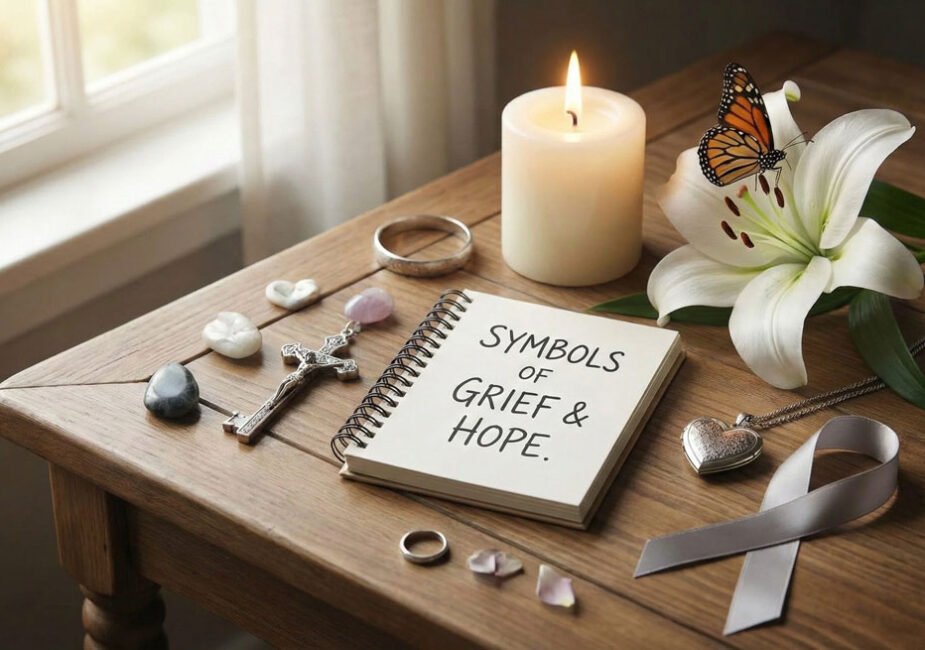
Memorial traditions have long supported families in honoring loved ones and processing grief. However, while the purpose of remembrance remains the same, the ways people opt to memorialize someone are gradually evolving.
There are different reasons why this is the case. Cultural shifts. Environmental awareness. Digital technology. They’re all influencing modern approaches to remembrance. They’re allowing families these days to explore more personal, meaningful ways to celebrate a life.
This guide explores how memorial traditions are quietly evolving in 2026 and beyond, along with how people combine established practices with new ideas that reflect changing values and priorities.
Traditional Ways Families Have Honored Loved Ones
For generations, memorial traditions followed consistent patterns in the West. These practices provided structure during difficult times, as well as created shared rituals for remembrance. Traditional memorial methods include:
- Funeral or memorial service held at a religious or community venue
- Cemetery burial with headstones or engraved markers
- Floral arrangements sent to services and gravesites
- Newspaper obituaryannouncements
- Memorial plaques or benches placed in significant locations
It’s true: these traditions are still prominent fixtures today. They offer a formal opportunity for family and friends to gather, share memories, and say goodbye. However, many now seek additional ways to reflect the personality and values of the person being remembered.
The Rise of More Personalized Memorials
Modern memorials are increasingly built around individuality. Forget about following a standard format. Families explore ways to create more personal and impactful tributes.
For instance, celebrations of life have grown in popularity compared to traditional funerals. These gatherings center on storytelling, photos, and music to reflect the loved one’s interests and experiences. The atmosphere is typically more relaxed and reflective.
Digital memorials are another growing trend. Online obituary pages, for instance, allow families to share photos, videos, and personal stories to capture the full scope of someone’s life – something that’s impossible with just a few lines in a newspaper. Friends and relatives can also contribute their own memories, producing a collaborative tribute that grows over time.
Technology also makes it easier for people who live far apart to participate in remembrance. Even when physical travel is a no-go, virtual memorial services and online tributes bring communities together.
Environmental Tributes Are Gaining Popularity
Another noticeable shift in memorial traditions involves environmental awareness. Rather than temporary gestures, families are moving towards tributes that create a positive impact.
For example, instead of sending flowers that last only a few days, some decide to support environmental projects. Reforestation initiatives and conservation efforts allow you to honor a loved one while contributing to long-term ecological restoration.
That’s the case with A Living Tribute memorial. It offers the opportunity to plant trees in forests requiring restoration. These living memorials become part of healthy ecosystems, where they support wildlife habitats and help restore natural landscapes.
Blending Tradition with New Ideas
Modern memorial trends are not replacing traditional customs. Rather, they are being combined with older practices.
A funeral service can still take place, for instance. This could then be followed by an online memorial page where stories and photographs are shared. Flowers might be sent alongside donations to environmental projects that reflect the loved one’s passions.
This blended approach allows families to honor tradition while also creating more personal, lasting tributes.
Last modified: March 19, 2026