How Do HVAC Contractors Improve Indoor Air Quality?
Indoor air quality directly affects comfort, health, and daily well-being, yet it is often overlooked until problems become noticeable, warns leading property management company, CMG Aurora. Dust buildup, lingering odors, humidity imbalance, and inconsistent airflow can quietly affect the air people breathe indoors. HVAC contractors play an important role in improving indoor air quality by addressing how air is circulated, filtered, and conditioned throughout a space. Their work goes beyond temperature control, focusing on how systems manage airborne particles and moisture. By evaluating system performance and making targeted adjustments, contractors help create indoor environments that feel cleaner, fresher, and more comfortable over time.
How Air Quality Is Managed
- Airflow Balance and Proper Circulation
One of the primary ways HVAC contractors improve indoor air quality is by ensuring proper airflow throughout the home. Poor circulation allows dust, allergens, and stale air to linger in certain areas, creating uneven air quality from room to room. Contractors assess duct layouts, return paths, and vent placement to confirm that air moves efficiently through the system. Balanced airflow prevents pockets of stagnant air where contaminants can accumulate. It also supports the uniform distribution of filtered and conditioned air, helping maintain a cleaner indoor environment. When airflow is properly adjusted, the system continuously refreshes indoor air rather than allowing pollutants to settle or recirculate excessively in isolated spaces.
- Filtration and Particle Control
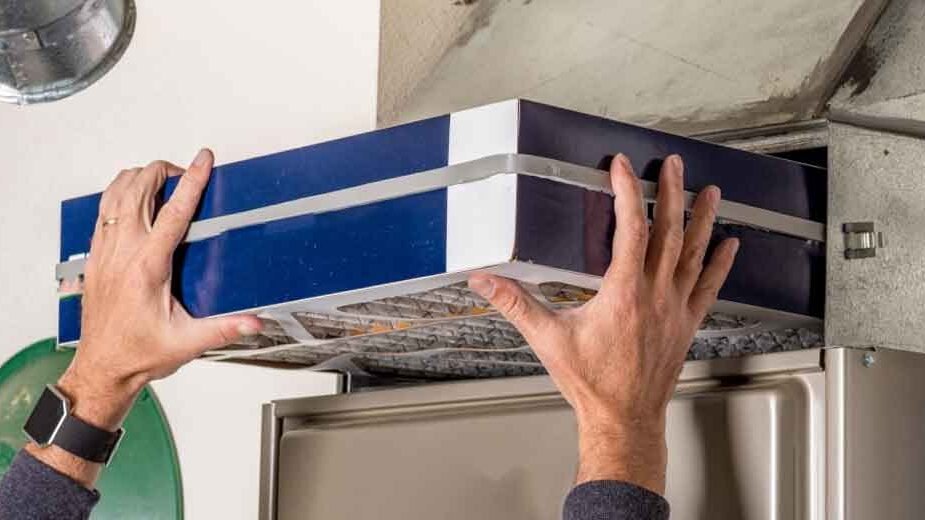
HVAC contractors also improve indoor air quality by evaluating how effectively a system filters airborne particles. Filters play a critical role in capturing dust, pollen, and other particles before they circulate through living spaces. Contractors assess whether existing filters are appropriate for the system and usage patterns. They also ensure filters are properly fitted and that airflow resistance remains balanced. During routine air conditioning services, contractors often identify how filtration performance affects overall air quality and system efficiency. Proper filtration reduces airborne debris that settles on surfaces or enters breathing zones, resulting in a noticeably cleaner indoor environment without disrupting system operation.
- Moisture Management and Humidity Balance
Humidity significantly affects indoor air quality, and HVAC contractors help manage moisture levels to improve indoor air quality. Excess humidity can encourage mold growth and cause air to feel heavy, while overly dry air may irritate airways and skin. Contractors evaluate how heating and cooling systems remove or retain moisture during operation. Adjustments may involve changes to airflow, system timing, or component calibration to maintain balanced humidity. By stabilizing moisture levels, contractors reduce conditions that allow airborne contaminants to thrive. Balanced humidity also improves comfort and helps preserve building materials, making moisture control a key factor in long-term indoor air quality.
- System Cleanliness and Internal Conditions
The internal condition of an HVAC system directly affects indoor air quality. Dust and debris that accumulate inside components can be redistributed into living spaces during operation. HVAC contractors inspect internal surfaces, blowers, and airflow paths to ensure they remain clean and unobstructed. Cleaning and adjustments help prevent contaminants from being released back into the air. Contractors also verify that components are properly sealed, reducing the risk of drawing in unfiltered air from unintended areas. Maintaining internal cleanliness supports consistent air quality and reduces the circulation of unwanted particles.
- Ventilation and Fresh Air Exchange
Indoor air quality improves when stale air is replaced with fresh air at controlled rates. HVAC contractors evaluate how ventilation systems support this exchange without compromising comfort or efficiency. Proper ventilation helps dilute indoor pollutants and refreshes air throughout the home. Contractors ensure ventilation paths function correctly and airflow levels remain balanced. Effective ventilation reduces odors and prevents the buildup of indoor contaminants. By managing how fresh air enters and circulates, contractors help maintain a healthier indoor atmosphere without creating drafts or temperature instability.
- Ongoing Maintenance and Long-Term Air Quality
Improving indoor air quality is not a one-time effort; it requires ongoing attention. HVAC contractors support long-term air quality through regular system checks and adjustments. Over time, system performance can drift due to wear or changing household conditions. Contractors monitor these changes and recalibrate systems to maintain clean air circulation. Routine maintenance ensures that earlier improvements remain effective and that new issues are addressed early. This proactive approach helps preserve indoor air quality year-round rather than reacting after discomfort or health concerns arise.
HVAC contractors improve indoor air quality by focusing on airflow balance, filtration performance, humidity control, and system cleanliness. Their work ensures that air moves efficiently, contaminants are reduced, and moisture levels remain stable. Through careful evaluation and ongoing maintenance, contractors help create indoor environments that feel fresher and more comfortable. Indoor air quality depends on how well systems manage the air people breathe every day. By addressing both immediate concerns and long-term performance, HVAC contractors play a vital role in supporting healthier and more enjoyable living spaces.
Last modified: January 6, 2026