Gommeok: Unveiling the Comforting Korean Delicacy You Need to Know
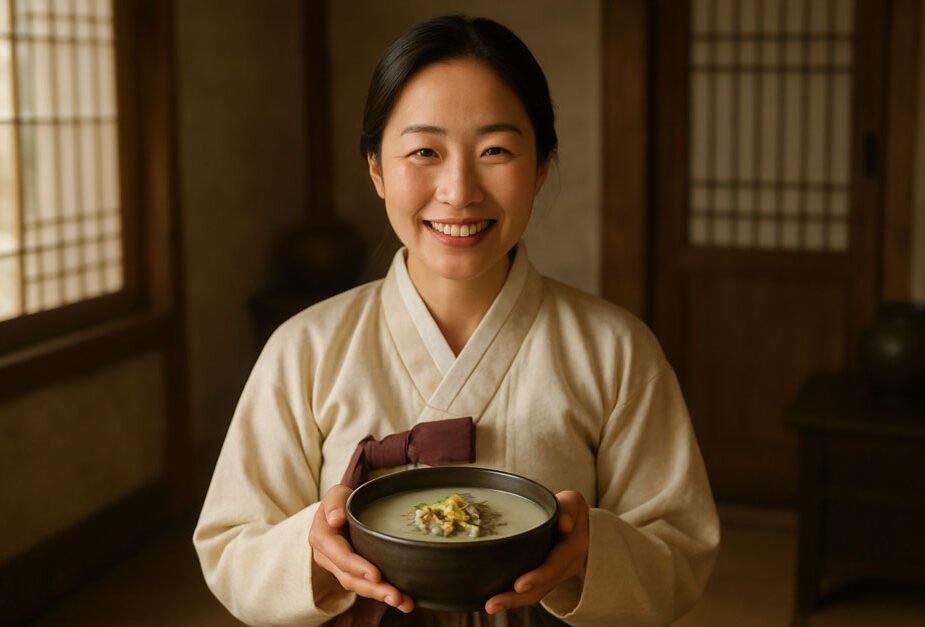
Have you ever encountered a dish so steeped in tradition and regional variation that its very definition becomes a delightful mystery? Such is the case with **Gommeok**, a term that points to more than one beloved Korean culinary tradition, each offering a unique form of comfort and nourishment.
For those new to the world of Korean food, the name **Gommeok** might first appear as a simple delicacy. However, a deeper look reveals a fascinating dual identity, showcasing the rich diversity found within the country’s cuisine.
This exploration seeks to clarify what **Gommeok** truly represents, from its most common interpretation as a chewy rice cake to its occasional association with a hearty soup, ensuring you are well-prepared for your next culinary adventure.
The Dual Identity of Gommeok
The term **Gommeok** is not universally applied to a single, distinct dish across all of Korea. Instead, it seems to encompass two very different, yet equally comforting, food items that hold a special place in the local diet.
Understanding this duality is key to appreciating the full scope of what this name can imply when traveling or exploring Korean recipes.
Gommeok as a Hearty Korean Soup
In one interpretation, **Gommeok** refers to a traditional Korean soup, often likened to a rich bone broth such as *Gomtang* or *Seolleongtang*. This version is the epitome of slow cooking, requiring patience and time.
Beef bones and meat are simmered for many hours, sometimes exceeding twelve, until the broth achieves a milky-white color and a deep, savory flavor. It is a deeply nourishing meal, particularly favored during the colder months for its warming properties.
Diners typically season their own bowls with salt, pepper, and chopped green onions, allowing for a personalized taste experience. This simple, yet profound, soup is often served with rice and a variety of *banchan* (side dishes).
Gommeok as a Chewy Rice Cake Delicacy
The more commonly detailed interpretation of **Gommeok** points to a delightful, chewy delicacy made from glutinous rice flour. This version is a sweet or savory rice cake, similar in texture to *tteok* or *songpyeon*.
It stands out for its unique texture and the vibrant flavors introduced by various fillings. The preparation is an art form, often involving hand-crafting each piece into intricate shapes.
A Closer Look at the Rice Cake Gommeok
Focusing on the rice cake variant, one discovers a dish that is both a treat for the palate and a feast for the eyes. Its preparation highlights the traditional Korean value of using simple, wholesome ingredients to create something extraordinary.
Ingredients and Preparation
The foundation of this **Gommeok** is a dough made from glutinous rice flour mixed with water. Once kneaded and rested, it is ready to be filled with a range of ingredients.
Popular fillings include sweetened red bean paste, which provides a creamy, earthy sweetness, or various nuts like walnuts and pine nuts for added crunch and nutritional value. Some modern versions even incorporate fruit fillings.
The filled pieces are then typically steamed or boiled until they become tender and wonderfully chewy. They are often served warm, sometimes drizzled with honey or dusted with powdered sugar to enhance the sweetness.
Cultural Significance and Serving
This rice cake **Gommeok** carries significant cultural weight, often appearing at family gatherings, festive occasions, and celebrations. It symbolizes community and togetherness, with the act of sharing the dish fostering bonds among loved ones.
Traditionally, it is served in colorful bowls, reflecting the vibrant nature of the ingredients and the celebratory mood. The communal dining style encourages conversation and connection, making it more than just a meal.
Health Benefits and Modern Twists
Beyond its comforting taste and cultural value, **Gommeok** offers several health benefits, particularly in its rice cake form. The glutinous rice provides a good source of energy, while the fillings contribute essential nutrients.
Ingredients like red bean paste and nuts are rich in fiber, aiding digestion and promoting gut health. This makes the dish a satisfying indulgence that doesn’t compromise on wellness.
In contemporary Korean cuisine, chefs are constantly innovating with **Gommeok**. This includes the introduction of vegan options, replacing traditional ingredients with plant-based alternatives, and experimenting with new, fusion flavors to appeal to a global audience.
Conclusion
Whether you encounter it as a rich, slow-simmered soup or a delicate, chewy rice cake, **Gommeok** is a term that embodies the warmth and tradition of Korean food. It is a dish that speaks to the heart, offering a comforting embrace with every bite.
Its adaptability and deep cultural roots ensure its continued relevance in the culinary landscape. Exploring **Gommeok** is a journey into the soul of Korean cuisine, a journey well worth taking for any food enthusiast.
FAQ
Q: Is Gommeok a soup or a rice cake?
A: The term **Gommeok** is used to describe both a hearty, slow-cooked Korean bone broth soup and a chewy delicacy made from glutinous rice flour. The context often determines the specific dish being referenced.
Q: What are the main ingredients in the rice cake version of Gommeok?
A: The rice cake version of **Gommeok** primarily uses glutinous rice flour for the dough. Common fillings include sweetened red bean paste, various nuts, and sometimes fresh fruits, often finished with a drizzle of syrup.
Q: Is Gommeok a healthy dish?
A: Yes, particularly the rice cake version, which provides energy from the rice and fiber from the fillings like red bean paste and nuts. It is a nourishing food that can be part of a balanced diet.
Q: Where can I find Gommeok?
A: You can often find **Gommeok** at Korean markets, specialty Asian grocery stores, and some Korean restaurants, especially those specializing in traditional or regional cuisine.
Last modified: December 8, 2025