From Fire Prevention to CO Awareness: Key Home Safety Trends to Watch
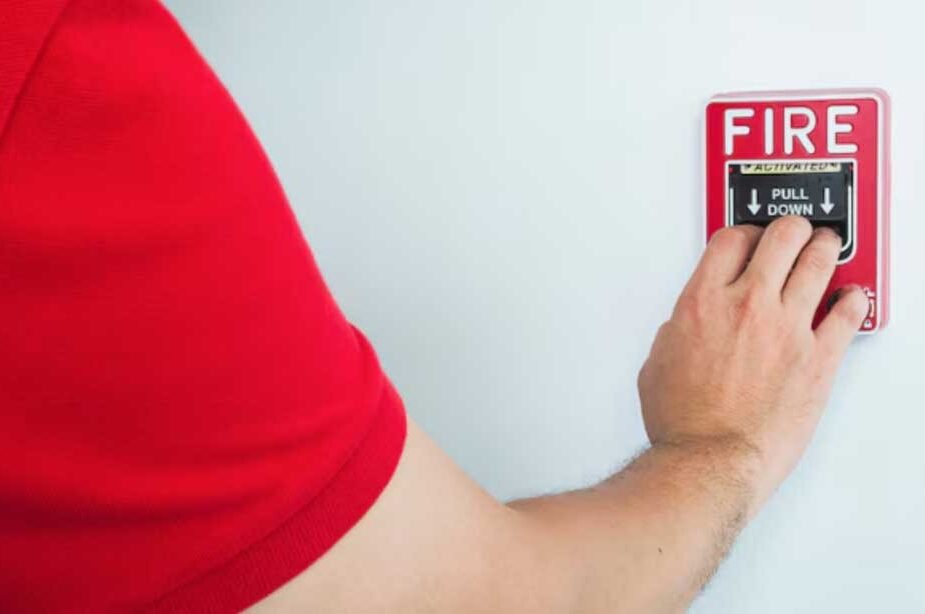
Home safety has ceased to be a matter of locking doors and windows. As more and more people connect their devices, a greater number of people are starting to realize the dangers of living in a contemporary house. The threat of fires and carbon monoxide (CO) poisoning remains very high, however, as of late, there has been some technology development that provides smarter approaches to keeping families safe. Since fire prevention to CO awareness, the trends of home safety have been modified to ensure that they have better protection.
Fire safety and awareness on carbon monoxide have come into the limelight in recent times. It is not only anymore about purchasing an alarm and betting on the best, but rather about active interactive systems that make you aware when things are about to go wrong. Such improvements are essential, and they would reduce risks and contribute to general safety.
The Rise of Smart Fire Protection Technology
The transition back to conventional fire safety equipment to smart technology is changing the way houses react to fire hazards. Smart fire systems have interrelation of alarms, mobile notifications and gadgets that the other gadgets can converse with such that the quicker and more synchronized reaction is achieved. When the smell of smoke is detected by one of the alarms in the house, other smoke detectors in the house are affected at the same time, and everybody is made aware of this, regardless of their location.
What is making these systems gain popularity? One reason is reliability. Standard smoke detectors do not always notice smoke early enough and their batteries run off unexpectedly. Smart systems report on their performance and alert the home owner when they require anything to be done. Other systems even call attention to the homeowners when they have been activated and therefore individuals can be able to act promptly even when they are not home.
As technology continues to advance, fire protection systems have also become easier to install. No complicated wiring or expert knowledge is required. Homeowners can set up these devices with minimal effort, providing them with peace of mind knowing their home is protected.
Combating Home Fires with Smart Smoke and CO Detectors
A smoke alarm is as important as fire safety but it is not sufficient. Carbon monoxide (CO) is a gas that is silent and odorless and can cause death when taken in larger quantities. Gas appliances or wood stoves and even cars left running in closed garages can result in CO poisoning. Jointly, this risk is difficult to realize without a CO detector.
A smoke and carbon monoxide detector which is a combination is a brand new game changer in terms of home safety. These machines are used in order to warn the home owners in case of smoke and carbon monoxide. This combination will provide a faster response period, since, by doing so, it will assist in determining the threats that are otherwise indirect.
The X-Sense SC07-MR smart smoke and carbon monoxide alarm provides users with both smoke and CO detection in a single device. This means fewer devices to maintain while still ensuring comprehensive protection. The X-Sense SC07-MR not only warns people about fires but also about carbon monoxide, all in one smart system.
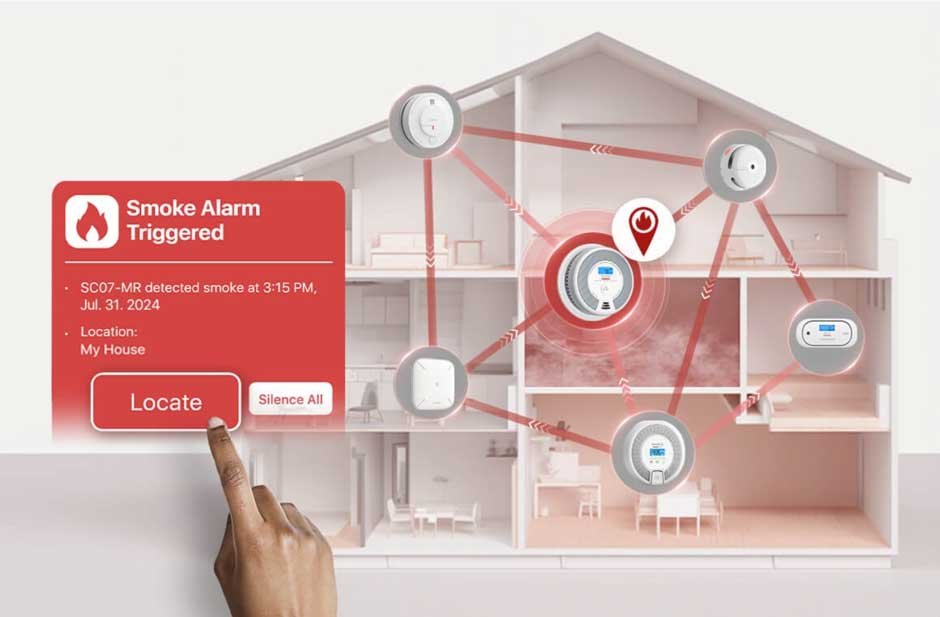 These intelligent detectors interact with other gadgets at home such that every one learns the alert- either when one is in the kitchen or even when one is upstairs sleeping in bed. This is effective communication that is crucial in a big house or when the family is dispersed in an emergency.
The Importance of Carbon Monoxide (CO) Awareness
One of the dangerous aspects in most houses is carbon monoxide poisoning. This gas is without color, odor and taste and is, therefore, hard to detect without a specific alarm. Despite the most effective precaution measures, CO easily accumulates, particularly when fuel-burning appliances are not used properly.
Thousands of individuals are hospitalized every year because of CO poisoning. The reality is that according to estimates given by the Centers of Disease Control and Prevention (CDC), more than 400 Americans are killed annually by accidental CO poisoning. Most of these deaths would have been avoided in case of the right safety precautions that would ensure you install a CO detector in your home.
Raising awareness about CO safety is critical. More homeowners are beginning to understand that having a combined smoke and carbon monoxide detector is just as important as fire prevention. Ensuring that these detectors are in the right places—near sleeping areas and appliances that burn fuel—is key to reducing the risk of CO poisoning.
Integrated Safety Systems: The Future of Home Protection
Integration is everything as far as home safety is concerned. Rather than using individual smoke detectors and carbon monoxide detectors, current systems are combined to form a more interactive and reactive manner of security. Having interconnected equipment, one device detecting a condition tells the other, which is how they respond as a unit in reacting to an emergency.
These smart detectors can connect with the rest of the home safety system, e.g., security systems, smart lighting, and some even to mobile apps. The detectors are useful as they do not only alert the house but when danger is detected they can also be connected to phones such that even when the owners are away the detectors alert them and ensure that they take actions.
Benefits of integrated safety systems include:
- Real-time alerts: Receive notifications when there’s a danger, even if you’re not at home.
- Automated actions: Devices can trigger other systems, such as turning on lights or opening windows for ventilation.
- Better coverage: A network of connected devices ensures that everyone in the home is alerted, no matter where they are.
This level of integration helps create a more secure home environment, where safety isn’t just reactive but proactive.
Key Trends in Home Safety to Watch in 2026
As technology evolves, home safety systems are becoming smarter, more connected, and easier to use. Here are some key trends in home safety that are expected to gain traction in the coming years:
- Smart home integration: Fire and CO safety systems are becoming a part of the broader smart home ecosystem, allowing homeowners to control and monitor their safety systems from their smartphones or through voice assistants.
- Voice-controlled alerts: More systems are integrating with voice assistants like Amazon Alexa and Google Assistant. This allows people to receive alerts and control their systems without needing to physically interact with the device.
- User-friendly designs: Devices are becoming more intuitive to install and maintain. No complicated setups—just simple, effective tools that make safety easier.
- Improved battery life: Devices with longer-lasting batteries reduce the need for constant maintenance, ensuring that detectors stay operational for longer periods.
- Increased awareness: As more people become educated about the dangers of fire and carbon monoxide, home safety will continue to be a priority, with more homes adopting these integrated safety systems.
Preparing for a Safer Tomorrow
Technology is advancing and so is our security in our homes. The fusion of fire protection and carbon monoxide awareness provides a means of making our families safe in a safer, reliable way. Installing intelligent detectors such as X-Sense SC07-MR gives the owner confidence that their home will respond during the fire and the presence of CO.
Integration is the way homes can be made safer to both mitigate the risks of fire and carbon monoxide and also enhance the level of communication and raise the likelihood of real-time alerts. With the increased awareness of the need to have these systems, the tendency towards smarter and connected safety solutions will only increase.
We can invest in modern, integrated safety systems and stock up on information in order to be able to prepare our tomorrow, which will be a safer one.
Last modified: January 6, 2026