Emergency Home Repairs: What to Do After Unexpected Damage
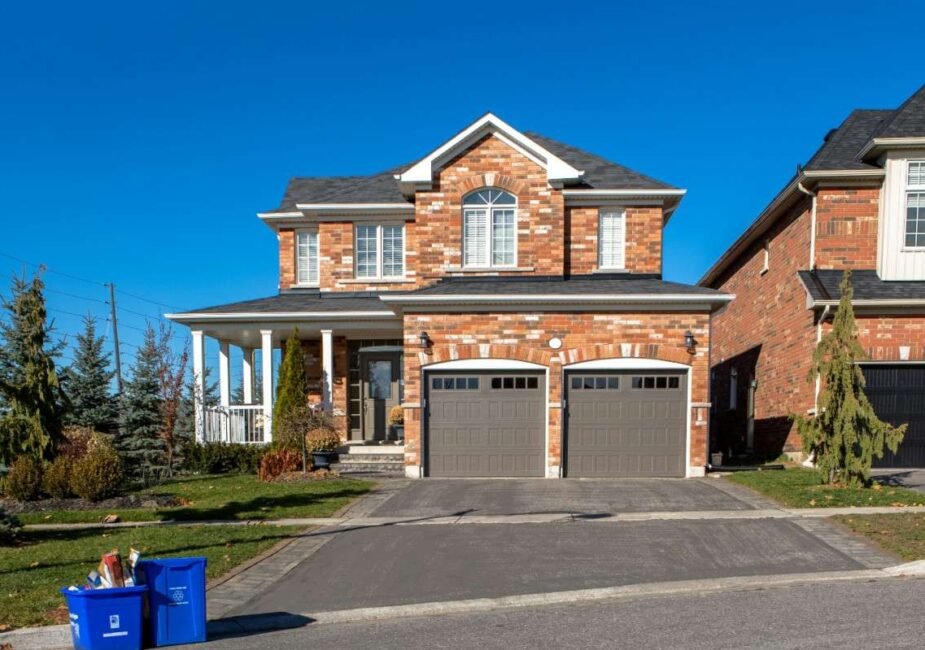
Unexpected damage can throw your entire household off balance in a matter of minutes. A severe storm may rip through the roof, a pipe can burst without warning, or an electrical fault might shut down critical systems. Each situation demands fast, practical decisions. Delays often lead to higher repair costs and deeper structural issues. Clear priorities make a stressful moment easier to manage.
Several types of repairs usually follow sudden damage. Water extraction and drying help prevent mold growth after flooding. Electrical inspections restore safety when wiring is exposed to moisture. Roof patching keeps rain from seeping into insulation and ceilings. Structural checks confirm that walls and foundations remain stable. Addressing these issues in the right order protects both your home and your peace of mind.
Immediate Safety Priorities
Safety always comes before property concerns. Start with a quick assessment of everyone inside the home. Injuries require immediate medical attention. Emergency services should be contacted right away if there is a fire, a gas leak, or major flooding.
Utility shutoffs may be necessary depending on the situation. Gas lines should be turned off if there is a smell or visible damage. Electricity must be disconnected if water has reached outlets or wiring. Water valves should be closed when pipes burst or appliances fail. Taking these steps reduces the risk of further harm.
Garage Door Damage and Urgent Repairs
Garage doors are often overlooked—until they suddenly stop working. Storm debris, vehicle impact, and high winds can bend tracks, crack panels, or damage springs, quickly turning a minor issue into a serious problem. A door that won’t close properly leaves your home exposed to theft, weather damage, and unwanted access.
What may seem like a simple malfunction can quickly become a safety hazard. Partnering with professionals who provide emergency garage door repair services ensures a fast response, accurate assessment, and safe restoration of your door’s operation. Skilled technicians correct alignment, replace damaged components, and confirm the system is functioning properly before leaving. Prompt action helps prevent further damage, reduces repair costs, and protects both your home and your safety.
Water Damage Control and Moisture Management
Water spreads quickly and seeps into flooring, drywall, and insulation. Immediate response limits long-term damage. Start by identifying and stopping the source. Shut off the main water supply if a pipe has burst. Move furniture and valuables away from standing water.
Extraction should begin as soon as possible. Wet vacuums and pumps help remove visible water. Absorbent materials such as towels can assist with smaller areas. Drying must follow extraction. Fans and dehumidifiers reduce moisture levels and discourage mold growth. Hidden dampness often lingers behind walls and under flooring. Soft spots, discoloration, or persistent odors suggest trapped moisture.
Electrical System Inspection and Precautions
Electrical systems require careful attention after unexpected damage. Water exposure increases the risk of shock and fire. Power should remain off in affected areas until inspection is complete.
Outlets, breaker panels, and wiring may appear intact while internal damage exists. Licensed electricians can evaluate circuits, test connections, and replace compromised components. Professional assessment ensures that hidden risks are addressed properly. Appliances exposed to water should not be turned on until cleared by a technician. Internal corrosion can develop quickly and create safety hazards later.
Roof and Structural Integrity Check
Roof damage often follows storms or falling debris. Missing shingles, cracked flashing, and punctures allow water to penetrate ceilings and insulation. Visual inspection from ground level can reveal obvious issues. Safety precautions are essential if climbing is required.
Temporary tarping helps block further water intrusion. Secure coverage reduces interior damage while permanent repairs are scheduled. Interior signs such as ceiling stains or peeling paint often indicate roof leaks. Structural elements also deserve close evaluation. Foundation cracks, warped framing, or shifting support beams signal deeper problems.
Fire and Smoke Restoration Steps
Fire damage extends far beyond what is immediately visible. Flames may destroy specific areas, though smoke and soot can travel throughout the home. Lingering residue affects walls, ceilings, furniture, and ventilation systems. Careful handling is essential once authorities confirm it is safe to reenter the property.
Ventilation helps clear airborne particles. Open windows and use fans to improve airflow if conditions allow. Protective gloves and masks reduce exposure to soot and contaminants during initial cleanup. Surfaces coated in residue should not be scrubbed aggressively, since improper cleaning can push particles deeper into materials.
Insurance Documentation and Claims Process
Accurate documentation supports a smoother insurance claim. Clear photos and videos should capture all visible damage before cleanup begins. Wide shots provide context, while close-up images highlight specific issues. Organized records make communication with adjusters more efficient.
A written inventory of damaged items adds clarity to the claim. Include descriptions, estimated values, and purchase dates when possible. Receipts and maintenance records strengthen your documentation. Digital copies stored securely prevent further loss of information. Prompt contact with your insurance provider sets the process in motion. Claims representatives typically outline required forms, inspection timelines, and next steps.
Hiring Qualified Repair Professionals
Restoration quality depends heavily on the professionals you hire. Licensing and insurance verification should come first. Contractors with proper credentials demonstrate accountability and compliance with local regulations.
Written estimates clarify expectations. A detailed proposal outlines the scope of work, projected timeline, and total cost. Transparent communication prevents misunderstandings and keeps the project on track. Questions about materials, labor warranties, and cleanup procedures deserve clear answers. Local reputation also matters. Reviews, referrals, and prior project examples offer insight into reliability and workmanship. Experienced contractors understand how to coordinate multiple repairs, especially when water, structural, and electrical systems intersect.
Unexpected home damage demands steady, informed action. Immediate safety checks protect your household during the most critical moments. Attention to garage doors, water intrusion, electrical systems, roofing, and structural integrity prevents further deterioration. Fire restoration, documentation, and professional repair coordination complete the recovery process.
A clear, step-by-step response reduces uncertainty and limits financial strain. Organized documentation strengthens insurance claims, while qualified professionals restore stability with confidence. Careful planning and timely decisions help transform a stressful event into a manageable recovery. Your home can return to a safe and secure condition when each stage is handled with focus and care.
Last modified: April 6, 2026