Common HVAC Problems and How to Prevent Them
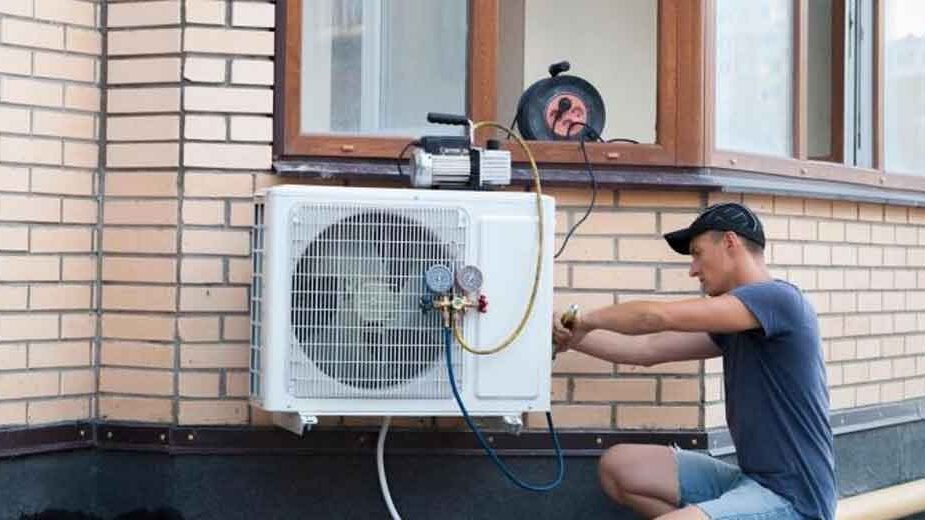
Heating and cooling systems work quietly in the background, making it easy to forget how much daily comfort depends on them. When an HVAC system runs smoothly, indoor temperatures stay stable, and air feels comfortable throughout the year. Problems usually develop gradually, often showing subtle signs long before a complete breakdown occurs. Reduced airflow, unusual noises, or inconsistent temperatures are frequently dismissed as minor inconveniences. Over time, these issues can grow into costly repairs or sudden system failure. Understanding common HVAC problems helps homeowners respond early rather than react during an emergency. Prevention focuses on awareness, consistent care, and recognizing how everyday use affects long-term performance, notes Redmond Property Management.
What this guide explains
This article explains frequent HVAC problems that affect home comfort and system reliability, along with practical ways to reduce their impact. It focuses on how everyday habits, maintenance routines, and system awareness can help homeowners avoid unnecessary breakdowns. By understanding how issues develop and what causes them, homeowners can take simple steps to keep their systems running more consistently throughout the year.
Airflow Restrictions and Uneven Temperatures
One of the most common HVAC problems is restricted airflow, which often leads to uneven temperatures throughout the home. When air cannot move freely, some rooms feel too warm while others remain cold, forcing the system to work harder than necessary. Clogged filters, blocked vents, and poorly balanced ductwork are frequent causes of this issue. Over time, restricted airflow increases strain on motors and other components, shortening system lifespan. Homeowners sometimes first notice this problem during colder months when searching for furnace repair in Vista, CA, only to discover that airflow limitations were the underlying cause. Preventing airflow issues starts with keeping vents clear, replacing filters regularly, and ensuring furniture or curtains do not block airflow. Consistent airflow supports stable temperatures and reduces unnecessary system stress.
Thermostat Problems and Control Issues
Thermostats serve as the communication hub between homeowners and HVAC systems, and even minor issues can disrupt performance. Inaccurate temperature readings, outdated models, or poor placement can cause systems to cycle too often or not enough. When a thermostat is placed near heat sources, drafts, or direct sunlight, it may misread room conditions and send incorrect signals. This results in discomfort and inefficient operation. Preventing thermostat-related problems involves ensuring proper placement and periodically checking calibration. Upgrading to programmable or smart thermostats can also help maintain steady temperatures by adjusting settings based on usage patterns. Clear communication between the thermostat and system allows HVAC equipment to operate as intended.
Wear and Tear on Mechanical Components
HVAC systems rely on moving parts such as motors, belts, and fans that experience gradual wear over time. Without regular attention, these components can loosen, become misaligned, or fail altogether. Early signs often include unusual noises, vibrations, or performance changes. Ignoring these signals increases the risk of sudden breakdowns during peak usage periods. Preventing mechanical wear involves routine inspections that identify minor issues before they escalate. Lubrication, tightening connections, and replacing worn components extend system life. Regular attention keeps equipment running smoothly and reduces the likelihood of emergency repairs.
Moisture, Drainage, and Indoor Comfort
Moisture management is another frequent HVAC challenge, especially in systems that handle both heating and cooling. Condensation naturally forms during operation, but when drainage systems clog or malfunction, water can accumulate. This leads to leaks, water damage, or musty odors. Excess moisture also affects indoor comfort, making spaces feel damp or uncomfortable. Preventing moisture-related problems requires keeping drain lines clear and ensuring that components responsible for condensation removal function properly. Regular checks help identify blockages early. Proper moisture control supports both system efficiency and indoor comfort.
Electrical and Power-Related Issues
Electrical connections are vital to HVAC operation, yet they are often overlooked until a problem arises. Loose wiring, worn contacts, or failing capacitors can cause intermittent operation or a complete system shutdown. Electrical issues may appear as systems failing to start, shutting off unexpectedly, or tripping breakers. Preventive measures include periodic inspections of electrical components and prompt attention to warning signs. Addressing electrical concerns early reduces the risk of more serious damage and improves system reliability. Stable electrical connections allow HVAC systems to operate consistently without unnecessary interruptions.
Preventive Maintenance as a Long-Term Strategy
Preventive maintenance is the most effective way to reduce common HVAC problems. Regular service visits identify airflow issues, mechanical wear, moisture concerns, and electrical irregularities before they become disruptive. Maintenance supports efficient operation and helps homeowners avoid unexpected breakdowns. Even simple tasks such as replacing filters and monitoring system behavior contribute to long-term reliability. Prevention is not about eliminating every issue but about reducing its impact and frequency. Consistent care keeps systems responsive and dependable throughout changing seasons.
Common HVAC problems rarely appear without warning. They develop gradually through restricted airflow, worn components, control issues, and moisture buildup. By understanding these challenges, homeowners can take proactive steps that reduce system stress and improve comfort. Preventive habits, regular inspections, and attention to early signs help avoid costly repairs and inconvenient breakdowns. An HVAC system that receives consistent care performs more reliably and lasts longer. Prevention transforms HVAC ownership from reactive problem-solving into confident, long-term comfort management.
Last modified: January 6, 2026