Anchor Screws 101: Types, Uses, and Tips for a Secure Hold
Anchor screws provide dependable support for various fixtures in both domestic and commercial settings. Knowing their varieties and how to use them correctly leads to solid and durable installations. In this article, we describe what anchor screws are, their main application, and some important points to keep in mind for secure fastening.
Types of Anchor Screws
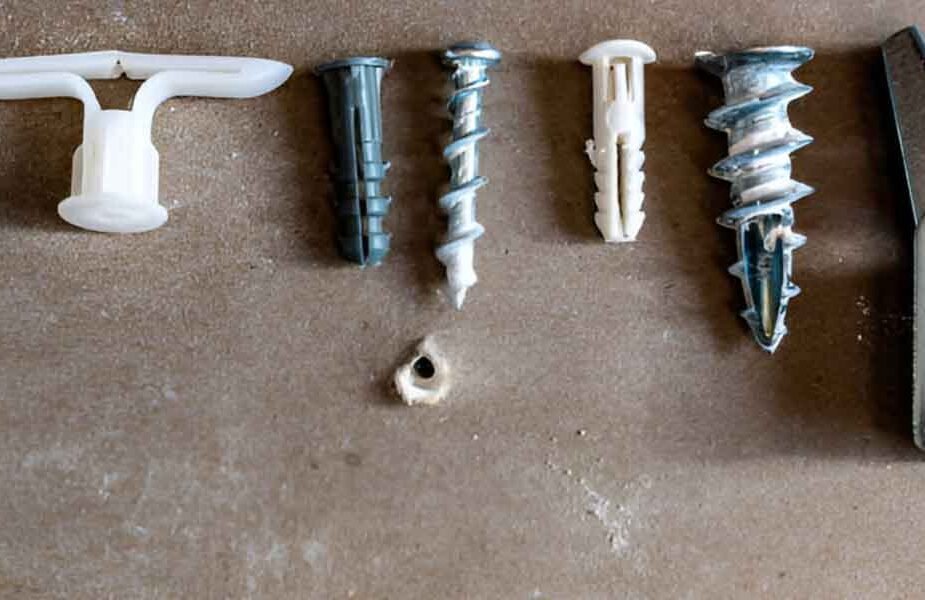
Various types of anchor screws are available; each serves a different purpose. For example, expansion anchors engage tightly with the surrounding material through mechanical force. The anchor screw features a metal sleeve that expands as it penetrates deeper. This feature provides extra holding power in concrete or brick. Concrete screws have a unique thread that taps into masonry and are designed for solid surfaces. Commonly used in drywall, plastic anchors expand when the screw is installed, helping prevent them from loosening over time. These are spring-loaded wings that spread behind hollow walls, providing great holding power for heavier objects.
Common Applications
Construction supply catalogs commonly include listings for anchor screws for sale, used in masonry and structural installations. We use anchor screws in countless projects every day. In construction, they fasten shelving units, cabinets, and handrails to masonry or drywall. Homeowners use them to safely mount televisions, artwork, or mirrors.
These heavy-duty fasteners secure equipment and fixtures in commercial settings. Examples of outdoor work involve securing fencing, signage, or lighting fixtures to brick or concrete. Ensure you use the correct anchor screw to prevent injuries caused by shifting or falling objects in the space.
Choosing the Right Anchor Screw
Choosing the best anchor screw starts with knowing the material surface. These come in different types since performance can vary depending on the material behind the wall, including brick, concrete, drywall, and hollow walls. For solid masonry, concrete screws or sleeve anchors are excellent options. Drywall must be securely anchored to withstand the temporary stress from your fixtures: lightweight fixtures may require only plastic anchors, while heavier fixtures may require toggle bolts.
Installation Techniques
Improperly fitted anchor screws do not work. Start by measuring the location for the fastener. Drill a clean hole with a drill bit matching the anchor’s diameter. Stripping the dirt or dust is needed so the anchor can grip well. Drive the screw in place after fully inserting the anchor. Screw the screw in until it feels firm (but avoid overtightening, which can strip the anchor or damage the wall). With hollow walls, be sure you allow the toggle or wings to fully expand behind the surface before adding its burden.
Safety Considerations
When it comes to anchor screws, safety will always come first. Use protective spectacles while drilling to protect your eyes from the flying dust or dirt. Drilling was done to avoid passing through the hidden wires or pipes in the wall. Now you want to avoid punching a hole through the wall, so use a stud finder or something similar. Do not load the anchor beyond its rating. When in doubt, read the manufacturer’s instructions or contact a professional for help. These simple procedures can help prevent aggravations and injuries and ensure a permanent installation.
Troubleshooting Common Issues
Anchor screws do not always withstand the test. If the anchor spins in the hole, the opening may be too large or the wall material too weak. Grab a bigger anchor or relocate to a more robust area. If the screw pulls out under load, that means the anchor or wall wasn’t able to support the weight. If this problem is a recurring failing, clamp some cardboard to the top of the wall, or try a different fastening method. Check installed fixtures regularly, including loose toilets, and address any issues promptly.
Maintenance and Longevity
Routine inspections ensure the security of every installation. Check the screws of the anchor and test the stability of the object attached from time to time. Do not leave any room for sudden failures; replace worn-out or corroded anchors. For moist or outdoor applications, select materials that resist rust to ensure long fastener life. These easy steps guarantee consistent performance and reliability for years to come.
Conclusion
Superstrong anchor screws provide consistent support for almost any project. Take note of the differences between types, avoid poor installation methods, and maintain your hold, and anyone can achieve a secure, safe hold. Using the appropriate anchor for each function is critical to safety and the long-term performance of the anchor.
Last modified: March 18, 2026